
Hand Tools · Single tool · Pro · DIY
Tin Snips and Aviation Snips: What the Handle Colors Mean

Our verdict
Crescent Wiss M3R 9-3/4 in. Compound Action Aviation Snips, Straight, Left and Right Cut
8/10
Worth-owning score
Price tier Mid ($$)
View on AmazonOur own score from specs, buyer reviews and tests. Not a customer rating. Photo from the Amazon listing.
Quick answer
Tin snips, often called aviation snips, are hand shears that cut thin sheet metal for flashing, ductwork, roof edges and metal studs. Handle color shows the cut direction: yellow cuts straight, red cuts left, green cuts right. The Crescent Wiss M3R is a yellow compound-action pair rated for 18 gauge steel, and Bob Vila's testers rated the Wiss set their best aviation snips. Skip it if you only trim thin foil or cut hardened wire, which needs another tool.
What are aviation snips?
Aviation snips are hand shears for cutting thin sheet metal. They are also sold as tin snips, and the two names cover the same family of tool. You squeeze the handles and two blades slide past each other like scissors, cutting flashing, duct, gutter, roof edging and thin steel track.
Aviation snips differ from older, single-pivot tin snips in one way. They are compound action, which means two pivot points that multiply your hand force. The Boopolo reviewer describes it as geared: push the handles and each pivot drives the blades in. That is why they cut thicker metal than their size suggests, and why Bob Vila's testers call aviation snips the best type for general use because of the added leverage and compact blade size.
The handle color tells you the cut direction:
| Handle | Cuts | Best for |
|---|---|---|
| Yellow | Straight, and wide curves left and right | General cuts, notching, long straight lines |
| Red | Left, including tight left curves | Curves and corners where the waste falls to the right |
| Green | Right, including tight right curves | Curves and corners where the waste falls to the left |

Why you'll want a pair
They are quick and quiet. A snip makes a cut in a second with no sparks and no noise. A power tool such as an oscillating multi-tool or a jigsaw can also cut thin metal, but they need a blade and a cord or battery. Snips need nothing.
They cut clean enough to use. A video from the Boopolo channel says his new Crescent Wiss cut a thin sheet like scissors cutting paper, and went through three layers of roofing material in one snip with no mark on the blades. Bob Vila's testers say the Wiss set made clean, precise cuts and handled the most intricate shapes with ease.
They fix real household jobs. Trimming a new gutter, cutting a vent collar, shaping flashing around a pipe, notching J-channel for vinyl siding and cutting steel track for a metal stud wall are all snip jobs. A claw hammer and a pry bar pull the old material, and snips shape the new.
The right color makes the job easier. The VCG Construction video makes the point clearly: the colors are not for looks. They control where the scrap goes, so the cut-off rides up and out of the way instead of jamming.
Which snip for which job?
| Job | Snip | Why |
|---|---|---|
| Straight cut across a flat sheet | Yellow | Makes a clean line without jamming |
| Notching channel or trim | Yellow | A short, controlled cut |
| Cutting a circle or curve to the left | Red | The waste curls away to the right |
| Cutting a circle or curve to the right | Green | The waste curls away to the left |
| Tight spaces or small artsy cuts | Offset | The lower jaw slips under the sheet |
| Thick material such as a drive cleat | A baby bull snip | A short, stubby jaw gives more force |
Who it's for
- Homeowners trimming gutter, flashing, vent pipe or a metal roof edge
- DIYers and makers cutting aluminum sheet, duct, steel track and craft metal
- Pros who cut sheet metal on and off the jobsite and want a lightweight hand tool
- Anyone with a toolbox gap between a utility knife and a power saw
Who should skip it
- Anyone cutting hardened wire, rebar or thick plate. Snips are for sheet. Use bolt cutters, a grinder or a saw.
- Anyone with a lot of long cuts. A pair of straight-cut shears or a power nibbler is faster than hundreds of snips.
- Anyone who only needs to trim thin foil or plastic. A utility knife or scissors is enough.
How to use them
Mark, glove up, cut and let the waste fall away. Eight steps cover a clean cut.
- Put on gloves and safety glasses. Cut metal edges are sharp, and a reviewer notes that you can cut a finger on the side of the blade. See our guide to work gloves and safety glasses.
- Mark the line. Use a marker or a scribe on the sheet. VCG Construction marks the line with a Sharpie and squares it up before cutting.
- Pick the color. For a straight line use yellow. For a curve, choose red to cut left and green to cut right. A sheet metal worker says that without the right pair, the cut looks as if a beaver chewed it.
- Support the sheet. Rest it on a bench or clamp it so it does not flap. Thin sheet vibrates and kinks when it is held in the air.
- Open the jaws wide and cut with the middle of the blade. Do not close the jaws fully on every snip. Stop just before the tips meet, then reopen and slide forward. This leaves a smooth edge, not a jagged one.
- Let the waste curl away. If the scrap bends up and out of the way, you have the right pair. If it jams against the jaw, the VCG video says to use another color or approach the cut from the other direction.
- Cut along the outside of a curve first. For a circle, make relief cuts from the edge toward your line, then trim each tab. This keeps the sheet from binding.
- Deburr the edge. Run a file over the cut edge, or fold it over, so it will not catch skin or cloth.
What reviewers and buyers say about the Crescent Wiss
- Praised: Bob Vila's testers like the narrow handle spread for smaller hands, the slip-resistant grips, the springy action and the consistent opening width. They found the cuts clean and precise. The Boopolo reviewer says it is far sharper than his old Stanley.
- Common complaints: Bob Vila's testers note the blades are shorter than their top overall pick, the Lenox set, and the Wiss set uses cast steel, which they say may not last as long as forged steel. The reviewer also says right-handed snips are harder to use for left-going cuts.
- Independent tests: In Bob Vila's test of 16 snips over seven hours, the team cut 20 gauge steel, circles in duct and roofing and gutter ends. The Lenox set narrowly beat the Wiss and Craftsman sets for smoothness and ergonomics; Wiss was named best aviation snips.
- Durability: In Bob Vila's short-term test, cast steel on the Wiss set performed extremely well, but the testers do not know how it holds up over years.
Common traps
| Trap | What happens | Fix |
|---|---|---|
| Using the wrong color | The waste jams and the sheet kinks | Switch to the other color or cut from the other direction |
| Closing the jaws fully on every snip | A jagged, stepped edge | Cut with the middle of the blade and reopen early |
| Cutting wire or screws | Chipped, dull blades | Use bolt cutters or a hacksaw for hard material |
| No gloves | Cuts from the sharp edge | Wear gloves and deburr the edge |
What to look for when buying
- Color and direction. Check the label, since a few imported budget sets reverse the color code.
- Capacity. 18 gauge is a common rating for general-purpose snips. The Wiss M3R carries that rating from Crescent.
- Compound action. Choose compound action over single-pivot snips for steady use, since Bob Vila's testers say it adds cutting leverage.
- Offset or straight. An offset pair keeps your knuckles clear of the sheet. A sheet metal worker says offset red and green are the pairs he uses most.
- Forged or cast blades. Bob Vila's testers say forged steel is likely to last longer, but their top Wiss set uses cast steel and cut very well in their test.
- Handle fit. Look for a comfortable, non-slip grip that works in a glove. The narrower spread of the Wiss suits smaller hands, per Bob Vila's testers.
- Latch. A latch holds the jaws closed in the toolbox. Bob Vila's testers noted that some latches take a second hand when used in the "opposite" hand.
- Know the limits. For long straight cuts, a power nibbler or shears is faster. For hard wire and rod, use bolt cutters.

Key specs to look for
| Spec | What to look for |
|---|---|
| Cut direction | Yellow handles cut straight lines and gentle curves in both directions. Red handles cut left and green cut right, per the common color code. A few imported budget sets reverse the colors, so read the label. |
| Capacity | 18 gauge low carbon steel on the M3R, per Crescent. Thinner aluminum, copper and galvanized flashing are easier; stainless is harder. |
| Compound action | Two pivot points that multiply your hand force, so the blades close with less squeeze. Single-pivot tin snips are simpler but take more effort. |
| Length of cut | About 1-1/2 inches per snip on the M3R, per distributor listings. A longer jaw takes fewer snips for a long cut. |
| Jaw style | Straight jaws for straight lines and wide curves. Offset jaws keep your knuckles above the sheet, and one video says offsets are the pair most people use. |
| Handles and latch | A molded handle that is comfortable in a glove, and a latch that holds the jaws shut in a toolbox. Bob Vila's testers wanted a latch that works for either hand. |
| Blade steel | Forged blades are thought to last longer than cast, while Bob Vila's testers found cast steel on the Wiss set cut very well in a short test. |
| Weight | Bob Vila's testers measured an average of about 14.8 ounces per Wiss snip, one of the lightest in their group. Lighter helps on a long cut. |
Where to get it
Our featured pick is the Crescent Wiss M3R, chosen from Crescent's product information, Bob Vila's tests and the Boopolo review. Buy a red and a green pair next if you cut curves often. Bob Vila's top overall set, the Lenox, was a Lowe's-exclusive set when they tested it, so look for it in a hardware store. Search our Tool finder for the other options.

Crescent Wiss M3R 9-3/4 in. Compound Action Aviation Snips, Straight, Left and Right Cut
- A 9-3/4 inch compound-action snip with yellow handles that cuts straight lines and wide curves left and right, and a rated capacity of 18 gauge low carbon steel, according to Crescent's product information
- Bob Vila's testers named the Crescent Wiss aviation set their best aviation snips: they called the grips comfortable, the action springy and the cuts clean, and found the set among the lightest they tested
- A reviewer who tested a new Crescent Wiss straight snip said it cut thin metal like scissors cut paper and went through three layers of roofing material in one snip
How we scored it
Usefulness 8/10 · Value 8/10 · Durability 8/10. This is our own opinion, based on specs, buyer reviews and independent tests. It is not an Amazon or customer rating.
Watch and read more
Video reviews
- Not All Tin Snips Are Created Equal (The Color Code, Explained) — SheetMetalSamurai
A sheet metal worker walks through pattern snips, reds, greens, offsets and yellows, and says offsets are the pair he uses nine times out of ten. He does not review the Wiss M3R. - STOP DOING THIS WRONG! How To Use Aviation Snips The RIGHT WAY — VCG Construction
Cuts 20 gauge steel track to show that the colors control which side the waste comes out, and which direction to approach a cut. - Crescent Wiss MetalMaster Aviation Snips - Full Review & Test — Boopolo
Tests a Crescent Wiss straight snip on thin sheet and on roofing material, and finds it sharper than his old Stanley. It is a Crescent Wiss review, not specifically the M3R.
Frequently asked questions
What is the difference between tin snips and aviation snips?
They are the same family of hand shears. Traditional tin snips have a single pivot and long straight blades. Aviation snips add a second pivot, called compound action, so the blades close with less hand force, and they come in left, right and straight versions that are color coded.
What do the handle colors on aviation snips mean?
Red cuts left, green cuts right and yellow cuts straight. A video from a sheet metal worker says the colors are not decoration: each one is built to push the scrap away from the cut in a specific direction. A video from VCG Construction adds that it is about which side the waste comes out, not which hand you use.
Which aviation snips should I buy first?
A yellow straight-cut pair is the most flexible single snip, since it cuts straight and wide curves in both directions. A sheet metal worker says offset red and green pairs are the ones he reaches for most, so add those next. Bob Vila's testers say aviation snips are the best type for general use, but that a set of three handles most jobs.
How thick a metal can aviation snips cut?
Most are rated for 18 gauge cold-rolled steel or thinner, per Crescent for the Wiss M3R. The gauge number goes up as the metal gets thinner, so 24 gauge flashing is much easier to cut than 18 gauge. Stainless steel and galvanized stud track are harder, so check the maker's rating.
Why does my cut curl or kink the metal?
Usually the waste has nowhere to go. VCG Construction shows that using the right color lets the scrap ride up and out of the way, while the wrong one jams and kinks the metal you want to keep. Switch snips or approach the cut from the other direction.
Do I need gloves for snips?
Yes. Cut sheet metal edges are sharp, and a reviewer who tested the Crescent Wiss says you can cut a finger off the side of one. Work gloves and safety glasses are worth wearing, and our guides to work gloves and safety glasses show what to look for.
How do I keep aviation snips sharp?
Keep them dry, keep the pivot snug and cut only the metal they are rated for. A reviewer who replaced an old Stanley pair said the old one still cut but needed its pivot nut tightened and was no longer as sharp. Using the snips on hardened wire or screws chips the blades.
Sources
Related tools
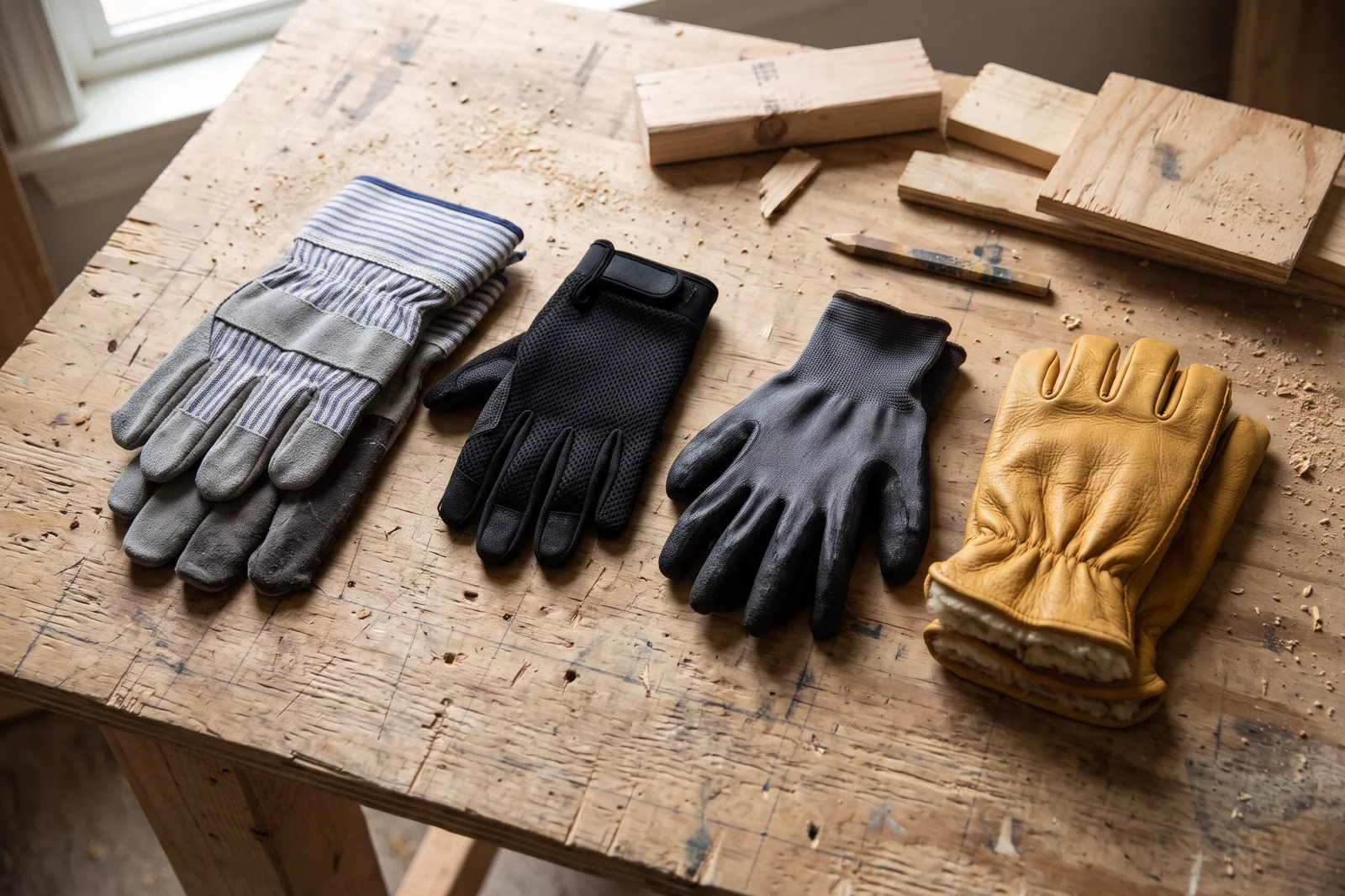 Hand Tools · RoundupWork Gloves for Different Jobs: Which Pairs to OwnNo single glove does every job.
 Workshop & Storage · RoundupSafety Glasses and Hearing Protection: What to Own for Home ProjectsEvery power-tool job needs two things: impact-rated eye protection and hearing protection rated for the noise.
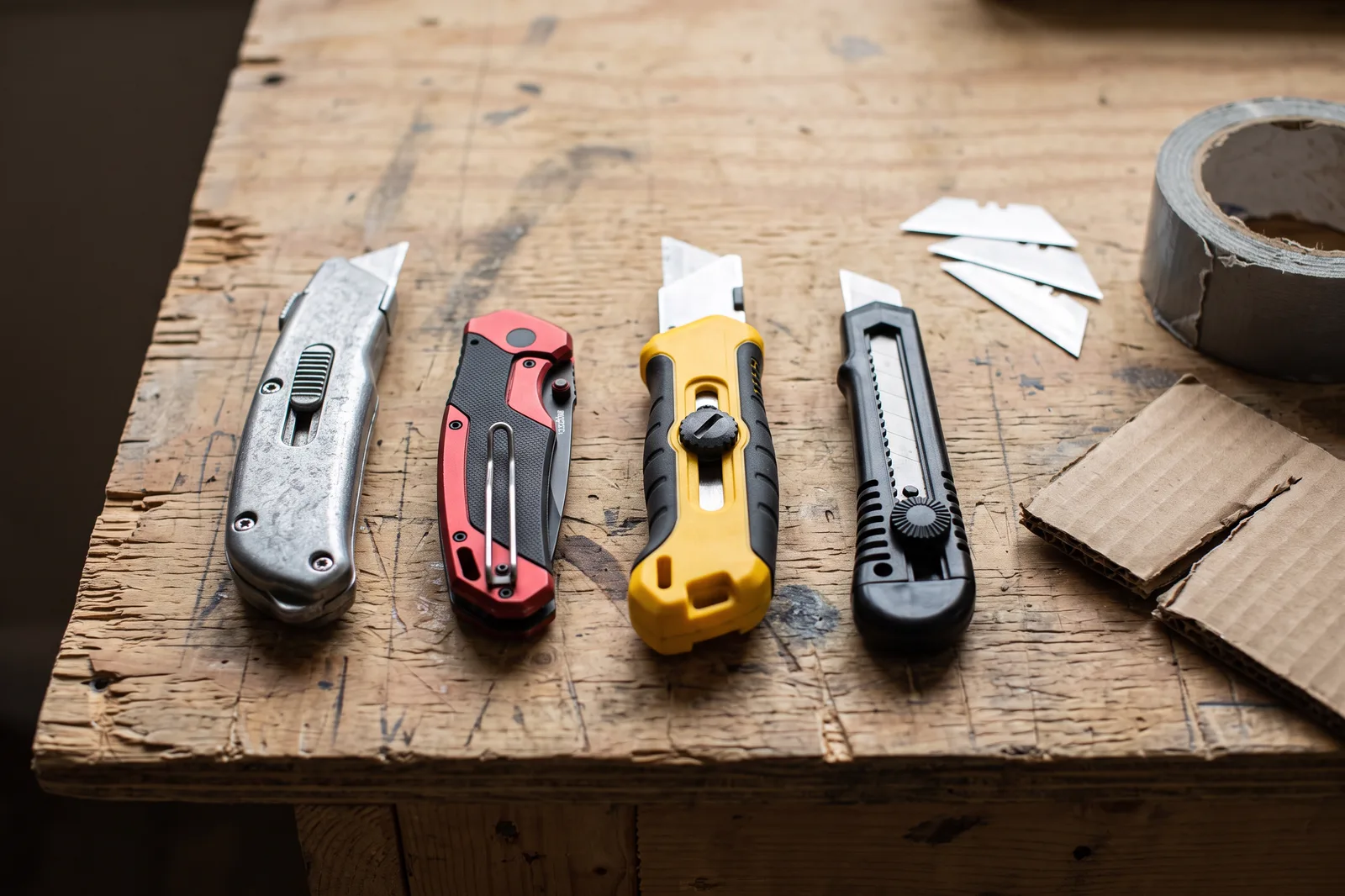 Hand ToolsBest Utility Knife for DIY and Jobsite UseFor most homes and job sites, the Stanley Classic 99 is the safest all-round pick: simple, tough and held up in independent drop tests.