
Workshop & Storage · Roundup · DIY · Pro
Safety Glasses and Hearing Protection: What to Own for Home Projects
Quick answer
Every power-tool job needs two things: impact-rated eye protection and hearing protection rated for the noise. Clear wraparound glasses like the 3M Virtua CCS cover most work, goggles like the DEWALT DPG82 seal out fine dust, and earmuffs or foam earplugs cut saw and mower noise. Owning one of each costs little and protects what cannot be replaced.
What are safety glasses and hearing protection?
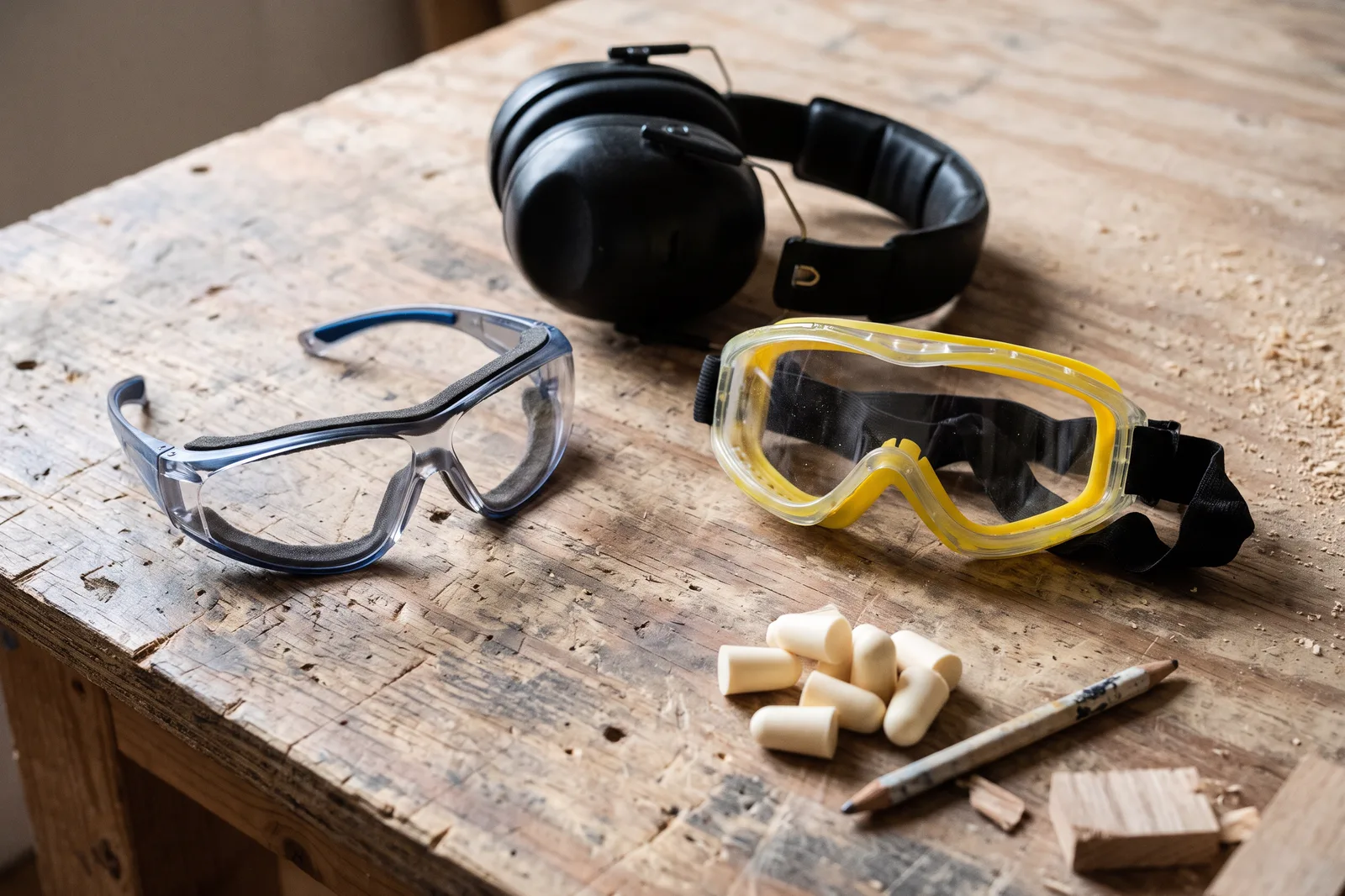
Safety glasses and hearing protection are personal protective gear for your eyes and ears. The glasses stop chips, dust and flying splinters. The hearing protection turns loud, harmful sound into something your ears can take. Neither one is a tool, but both belong in the toolbox next to the tool that needs them.
Eye protection comes in two main shapes. Safety glasses look like sunglasses with a tougher, impact-rated lens. Goggles wrap the eyes in a soft rubber seal, so dust and mist stay out. Hearing protection also comes in two shapes. Earmuffs are cups on a headband that cover the whole ear. Foam earplugs are small cylinders that you roll, then press into the ear canal, where they expand.
| Gear | What it protects against | Shape |
|---|---|---|
| Safety glasses | Flying chips, sawdust, side debris | Open or gasketed wraparound frame |
| Safety goggles | Fine dust, mist, splash | Sealed full-rim with strap |
| Earmuffs | Saws, mowers, trimmers | Over-ear cups on a headband |
| Foam earplugs | Same noise, in a pocket | Soft foam plug |
Why you'll want them
Eyes and ears cannot be repaired. A chip from a saw or a grinder, or years of mower noise, can cause damage that does not heal. An audiologist in one video says the tiny hair cells in the inner ear do not grow back, and that the most effective hearing protection is the pair you actually wear.
We read Bob Vila's tests of safety glasses and hearing protection, a Project Farm video that drop-tested safety glasses, and a clinical audiologist's video. The patterns:
- Impact rating is not optional. In Project Farm's test, every ANSI-rated pair passed the steel-ball and rod tests, while two pairs of regular sunglasses broke or lost a lens.
- Full frames beat half frames. The same video found full-frame glasses held the lens and stayed on the face better than partial frames.
- Anti-fog is a trade. Project Farm saw that anti-fog lenses scratched more easily than uncoated ones, and several pairs labelled anti-fog still fogged.
- Goggles and gaskets help with dust. Bob Vila's testers said the Virtua's foam gasket reduced sawdust and the DEWALT goggle's seal blocked fine dust, while open frames let it in from below.
- Earmuffs are easy to use, plugs rate high. The audiologist says foam plugs rate about 33 to 38 dB and earmuffs about 20 to 30 dB, but plugs only work when inserted right.
- Use both for loud work. Bob Vila's testers found the Mack's foam plugs worked well doubled with earmuffs.

What buyers and testers say about our four picks
- Praised: the Virtua's light weight and gasket; the DEWALT goggle's seal and anti-fog; the Decibel Defense's deep pads and comfort; the Mack's plugs' easy seal and low cost.
- Common complaints: clear lenses are hard to see in bright sun, goggles run warm, the earmuff is bulky and clashes with hats, and foam plugs are slow to expand in the cold.
- Rating caution: the Decibel Defense listing claims 37 dB, but Bob Vila cites 34 dB on the OSHA scale and one retailer lists 27 dB. The sources disagree, so we rate it with that doubt.
Who it's for
- First-time homeowners: every drill, saw and mower job puts debris and noise near your head
- Weekend DIYers: a cutting, sanding or demolition job can start with a bag of foam plugs and a pair of clear glasses
- Garden and yard workers: mowers, trimmers and leaf blowers are loud enough to need ear protection
- Pros and busy renters: keep spare pairs in the truck or toolbox so nobody skips them
Who should skip it
- Anyone doing chemical or welding work. Those jobs need rated goggles, shields or other gear, not general-purpose glasses.
- People who need to hear speech or alarms clearly all day. Electronic earmuffs that pass speech through are a better fit, and they cost much more.
How to use them
- Pick the gear before you pick up the tool. Put it on first, so you never think "just one cut". Keep a pair in each toolbox and by the mower.
- Check the Z87.1 mark. Look for it printed on the frame and the lens. No mark, no impact protection.
- Match the eye gear to the job. Wear glasses for drilling and cutting, goggles for sanding, grinding and dusty demolition.
- Fit the glasses snug. They should sit close to your face without slipping. Project Farm's head-shake test dropped the loose pairs first.
- Put on foam plugs properly. Roll the plug thin, pull your ear up and back, push it three quarters in and hold it for a few seconds while it expands, as the audiologist demonstrates.
- Seat the earmuffs fully. The cups must seal around your ears with no hair or glasses arms in the way, or noise leaks past.
- Double up for the loudest jobs. Wear plugs under earmuffs for a table saw, a router or a mower in a small yard, a combination Bob Vila's testers tried.
- Keep lenses clean. Rinse off grit first and wipe with a soft cloth. Dry wiping dusty lenses scratches them.
- Store them properly. A hard case or a drawer keeps lenses from scratching and earmuff pads from cracking.
- Replace worn gear. Throw out scratched lenses, cracked frames and flat ear pads.

Common mistakes
- Wearing sunglasses instead. They are not impact-rated, and Project Farm's test showed ones that broke.
- Skipping gear for quick jobs. Most injuries happen in a few seconds, not a full day.
- Mashing foam plugs in. Plugs left hanging out do not give the rated protection.
What to look for when buying
Match the gear to the job you do most. Frequent sawing and sanding points to goggles or gasketed glasses. A mower or router points to earmuffs. A toolbox spare points to a bag of foam plugs.
| Feature | What to check | Why it matters |
|---|---|---|
| Z87.1 or Z87+ mark | Printed on the frame and lens | The impact rating that separates safety glasses from sunglasses |
| Full-frame or gasket | Frame that wraps the eye area | Held the lens in place better in Project Farm's test |
| Anti-fog and anti-scratch | Both listed, and what buyers say | Fog-free lenses can scratch more easily |
| NRR | At least the mid-20s for power tools | Higher is more protection when worn right |
| Fit with glasses and hat | Arms and headband shape | A bad seal lets noise in |
| Comfort | Weight, padding, nose pieces | You wear it only if it is comfortable |
Which gear fits which buyer
- Light, occasional DIY: a clear wraparound pair like the 3M Virtua CCS and a box of foam plugs.
- Dusty or sanding work: the DEWALT DPG82 goggle, which seals against fine dust.
- Mowing and loud shop tools: the Decibel Defense earmuff, with plugs under it for very loud jobs.
- Glasses wearers: foam plugs, or a slim earmuff, so the arms break the seal less.

Other options the testers rated
Bob Vila's testers also tried other models that may fit your head or habits better. We list them for context, and they are not our picks.
| Gear | Tester note |
|---|---|
| Oakley M Frame 2.0 industrial glasses | Most comfortable and the highest impact rating in the group, but very expensive, with weaker anti-fog and sawdust that got in from below |
| NoCry Clear anti-fog glasses | Did not fog even from air conditioning to humid outdoors, but fine dust got in at the bottom and sides |
| NoCry OverSpecs+ | Made to fit over prescription glasses, a little loose without them |
| Walker's Razor Slim earmuffs | Slim and light for smaller heads, but noise leaked in when worn with safety glasses |
| 3M Peltor Optime 105 earmuffs | Swivel between use and standby with a hard hat on, but do not fit wide-brim hard hats |
| 3M Peltor Sport Tri-Flange plugs | Washable and easy to insert, but they seal less easily than foam |
| Decibullz custom-molded plugs | Mold to your ear in about ten minutes and can be remolded, but the foam insert may not fit every ear |
What the Project Farm test measured
The video tested more than a dozen budget pairs. It scored scratch resistance by dragging a weighted pick across each lens, fired a small steel ball at each pair at about 238 mph, dropped a larger ball onto the lens, dropped a pointed steel rod, and shook each pair on a dummy head to see which stayed on. The video's 3M Virtua was a clear-frame model rather than our foam-gasket CCS, and it took the best scratch score even though it fogged. A Uvex pair did best on impact. The host noted the test is subjective, and that rated safety glasses are far better than nothing.
Key specs to look for
| Spec | What to look for |
|---|---|
| Eye impact rating | ANSI Z87.1 marked on the frame and lens. Z87+ is the high-impact mark, the better fit for saws and grinders. |
| Frame style | Glasses are light and cool. Goggles seal against dust and splash. In Project Farm's test, full-frame glasses held the lens in place better than half-frame ones. |
| Anti-fog and anti-scratch | Anti-fog coatings scratch easier in Project Farm's test, so pick for the job: sealed work needs anti-fog, dusty bench work may not. |
| Noise reduction rating (NRR) | Higher numbers protect more when worn right. A clinical audiologist says earplugs of about 33 and earmuffs of about 20 to 30 are the usual range. |
| Fit with other gear | Glasses arms can break the seal of an earmuff. Check that your glasses, hat or respirator work together. |
| Comfort for long jobs | Light frames, deep ear pads and soft nose pieces decide whether you actually keep them on. |
| Replacement and reuse | Foam plugs are meant for short reuse. Check lenses and earmuff pads for scratches and cracks and replace them when worn. |
Where to get them
All four are sold on Amazon. We rate the 3M Virtua CCS and Mack's earplugs as budget tier, and the DEWALT DPG82 goggle and Decibel Defense earmuffs as mid tier.
| Pros | Cons |
|---|---|
| Impact-rated eye gear and quality ear protection cost little compared with an injury | Goggles run warm and any lens can fog |
| Glasses, goggles, earmuffs and plugs each fit a different job, so you can mix and match | Earmuffs are bulky and can clash with hats and glasses |
| Foam plugs and clear glasses fit in a pocket or toolbox drawer | Foam plugs wear out quickly and need to be inserted right to work |
| Pick | Best for | What buyers like | What buyers flag |
|---|---|---|---|
| 3M Virtua CCS | Everyday drilling and sawing | Light, gasket cuts dust, anti-fog lens | Clear lens in bright sun, gasket seals less than goggles |
| DEWALT DPG82 | Sanding and dusty work | Tight seal, large lens, anti-fog | Runs warm, strap angle fixed, fogs with a mask |
| Decibel Defense earmuffs | Mowers, saws, routers | Deep pads, folding, comfortable | Bulky, rating figures disagree, hat clash |
| Mack's foam earplugs | Toolbox spare, doubling up | Easy seal, listed 33 dB, low cost | Slow to expand in cold, single-use feel |

3M Virtua CCS Safety Glasses with Removable Foam Gasket
- A lightweight wraparound frame with a clip-on foam gasket, anti-fog, anti-scratch clear lenses and an ANSI Z87 rating, according to the listing
- Bob Vila's testers named it best overall after drilling, sawing, nailing and mowing, and said the gasket cut the sawdust that reached the eyes
- A common caution is that clear lenses do little in bright sun and a clip-on gasket seals less well than goggles
How we scored it
Usefulness 9/10 · Value 9/10 · Durability 7/10. This is our own opinion, based on specs, buyer reviews and independent tests. It is not an Amazon or customer rating.

DEWALT DPG82 Concealer Anti-Fog Dual-Mold Safety Goggle
- A full-rim goggle with a dual-molded rubber seal, vent channels and a Z87.1 impact rating, according to the listing
- Bob Vila's testers found the seal kept out mist and fine dust and the anti-fog held up, but it ran warm and the strap angle cannot be changed
- A reviewer using an N95 respirator reported fog building after about 45 minutes, so a mask changes the picture
How we scored it
Usefulness 8/10 · Value 9/10 · Durability 8/10. This is our own opinion, based on specs, buyer reviews and independent tests. It is not an Amazon or customer rating.
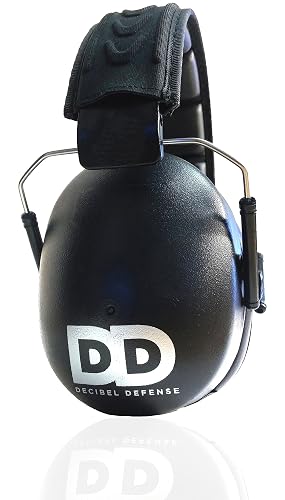
Decibel Defense Over-the-Head Safety Earmuffs
- A folding over-the-head earmuff with deep padding that Bob Vila's testers picked as top overall after table saw, miter saw and router tests
- The listing title claims 37 dB, Bob Vila cites a 34 dB OSHA rating, and one retailer lists 27 dB, so treat the highest number with care
- Testers found it bulky, said one cup arrived with misaligned foam, and noted that it can clash with hats and glasses
How we scored it
Usefulness 9/10 · Value 8/10 · Durability 7/10. This is our own opinion, based on specs, buyer reviews and independent tests. It is not an Amazon or customer rating.

Mack's Ultra Soft Foam Earplugs, 10 Pair
- Soft foam plugs with a listed 33 dB noise reduction rating, one of the highest for earplugs, according to the listing
- Bob Vila's testers found them easy to seal and comfortable, and said they worked well doubled up with earmuffs
- They take about 90 seconds to expand in cold weather, and foam plugs are meant for short reuse, not long-term
How we scored it
Usefulness 9/10 · Value 10/10 · Durability 5/10. This is our own opinion, based on specs, buyer reviews and independent tests. It is not an Amazon or customer rating.
For work that needs good light as well, see our guide to headlamps and work lights.
Watch and read more
Video reviews
- Best Safety Glasses? Let's Settle This! — Project Farm
Tests budget safety glasses for fog, scratches, a steel-ball impact, head-shake fit and a rod drop. Full-frame glasses held up best and a Uvex pair did best on impact. - You're using Hearing Protection WRONG! — Doctor Cliff, AuD
A clinical audiologist explains NRR, how to insert foam earplugs, and why glasses can break an earmuff seal.
Frequently asked questions
Do I need safety glasses for light DIY like drilling or hammering?
Yes. Drilling, hammering and cutting all throw chips and dust at your face. Bob Vila's testers wore each pair while drilling, sawing and nailing, and the Project Farm test shows that impact-rated glasses survive a steel ball hit that shattered ordinary sunglasses.
What does ANSI Z87.1 mean on safety glasses?
It is the US standard for eye and face protection, and the mark should be printed on the frame and lens. Z87+ is the high-impact version. In Project Farm's test, glasses with this rating passed the steel ball and rod tests, while two pairs of sunglasses without it failed.
Are goggles better than safety glasses?
Goggles seal around the eyes, so they stop fine dust and mist better. Bob Vila's testers found the DEWALT goggle's seal kept dust out, while open-frame glasses let some in from below. The tradeoff is heat and fogging, and glasses are more comfortable for quick jobs.
How do I know what NRR I need?
A higher NRR gives more reduction when worn right. Bob Vila's testers used earmuffs rated from the mid-20s to the mid-30s and found the high-rated pair stayed comfortable. One retailer suggests an NRR of at least 24 for table saws and routers, and doubling plugs under muffs for the loudest work.
How do I put in foam earplugs the right way?
An audiologist in one video says to roll the plug until thin, pull your ear up and back, push it in about three quarters of the way, then hold it while it expands. A plug that is only mashed in and left hanging out does not give the full rated protection.
Can I wear earmuffs and glasses together?
Yes, but the arms of glasses can break the seal and let noise leak in. The same audiologist notes that wearing eye protection with earmuffs creates a gap, and Bob Vila's testers found a slim earmuff leaked when worn with glasses. Thin arms or foam plugs fit better with glasses.
How often should I replace safety glasses and earplugs?
Replace glasses when the lens is deeply scratched, cracked or hard to see through, and earmuffs when the foam or plastic cracks. Foam earplugs are single-use in the audiologist's video, so keep a fresh pack in the toolbox.
Sources
- Bob Vila: The Best Safety Glasses, tested
- Bob Vila: The Best Hearing Protection, tested
- WC Safety: Decibel Defense earmuffs review (rating note)
- 3M Virtua CCS listing on Amazon (maker specs)
- DEWALT DPG82 listing on Amazon (maker specs)
- Project Farm: Best Safety Glasses (video)
- Doctor Cliff, AuD: hearing protection (video)
Related tools
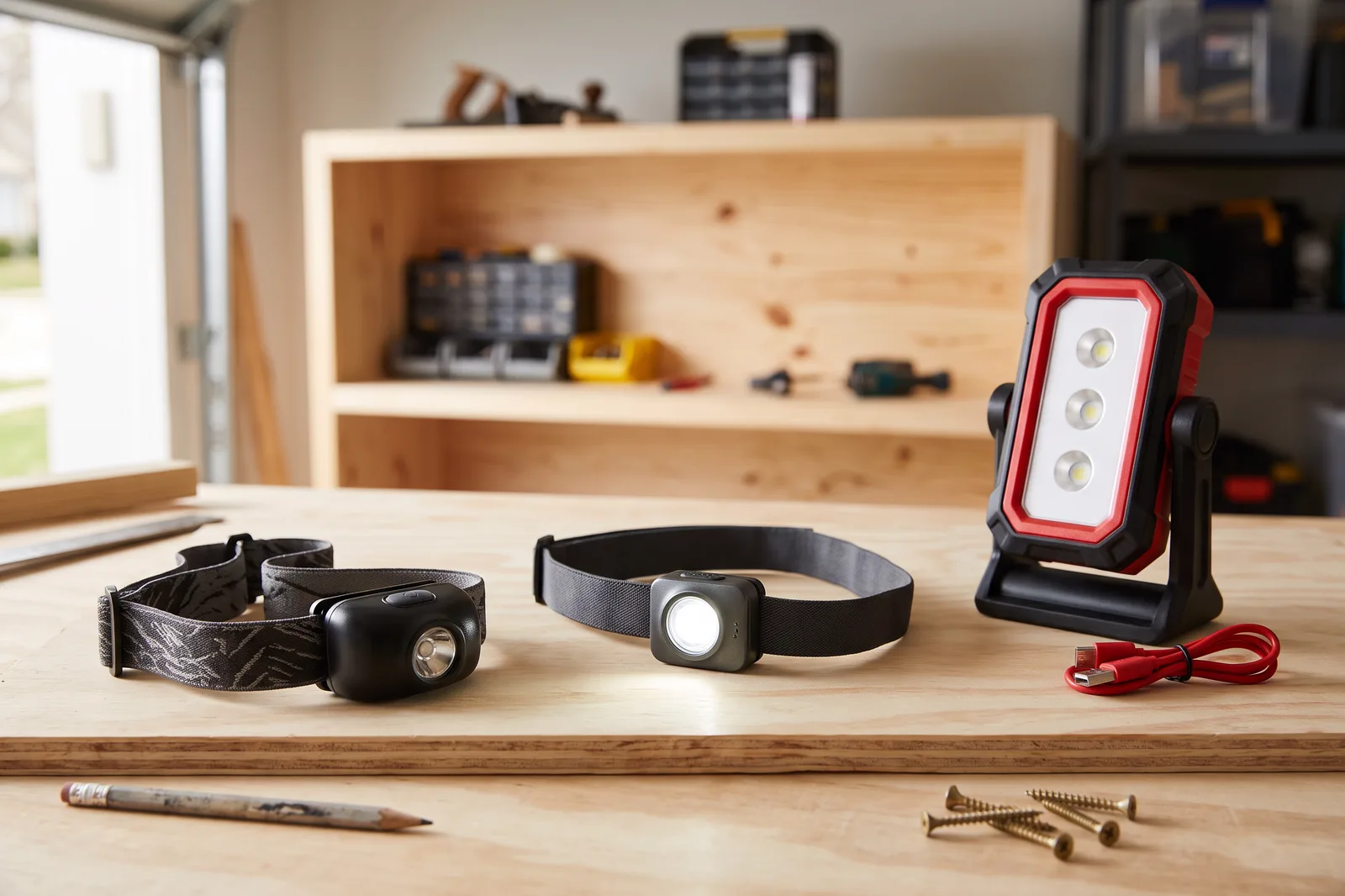 Everyday Carry & Tech · RoundupHeadlamps and Work Lights: Which Hands-Free Light to OwnA headlamp puts light where you look, so it suits attic crawls, under-sink jobs and power cuts.
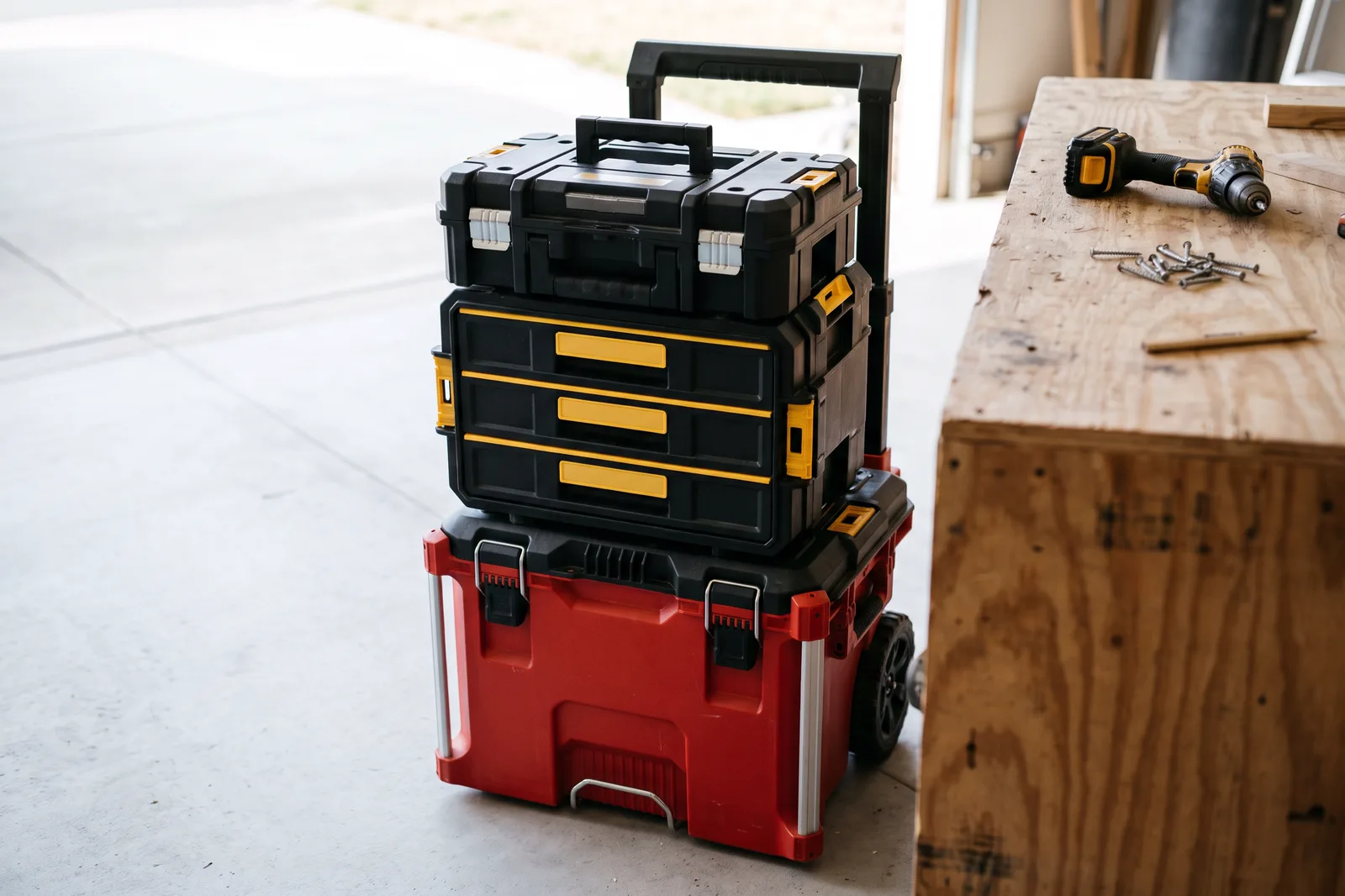 Workshop & Storage · RoundupStackable Tool Box Systems: Which One to Own for Home and JobsiteA stackable tool box system is a set of boxes that click together so one stack carries everything.
 Power ToolsOscillating Multi-Tool: The One Tool for Cuts Other Saws Cannot MakeAn oscillating multi-tool wiggles a short blade back and forth to make plunge cuts, flush cuts and tight sanding that a normal saw cannot reach.