
Power Tools · Single tool · DIY · Pro
Oscillating Multi-Tool: The One Tool for Cuts Other Saws Cannot Make

Our verdict
DEWALT DWE315K Corded Oscillating Multi-Tool Kit
8.3/10
Worth-owning score
Price tier Mid ($$)
View on AmazonOur own score from specs, buyer reviews and tests. Not a customer rating. Photo from the Amazon listing.
Quick answer
An oscillating multi-tool wiggles a short blade back and forth to make plunge cuts, flush cuts and tight sanding that a normal saw cannot reach. A corded model like the DEWALT DWE315K is a proven, ready-to-use kit for door jambs, trim and old nails. Skip it if you only cut boards to length, because a hand saw or circular saw does that better.
What is an oscillating multi-tool?
An oscillating multi-tool is a handheld power tool whose head wiggles a short blade back and forth a tiny distance, thousands of times a minute. That is called oscillation. It is not a spinning blade like a circular saw and not a long stabbing blade like a reciprocating saw. Because the movement is so small, the blade can cut or sand in place without wrecking what is around it.
You swap the front accessory to change the job: a half-moon wood blade, a narrow bi-metal blade for nails, a triangular sanding pad, a scraper or a grout blade. Pro Tool Reviews describes it as a tool that does a lot of things reasonably well, rather than one thing perfectly.
| Oscillating multi-tool | Reciprocating saw | Circular saw | |
|---|---|---|---|
| Best at | Plunge, flush and tight-space cuts, sanding, scraping | Rough demolition, long cuts through framing | Straight cuts in boards and sheets |
| Cut accuracy | Freehand, rough edges possible | Rough | Clean and straight with a guide |
| Damage around the cut | Very little | Often a lot | Needs open space |
Why you'll want one
It reaches cuts nothing else can. Bob Vila names undercutting a door jamb, so new flooring slides under it, as the most common job. A saw cannot sit flat there. A multi-tool can.
It cuts in place with little mess. A creator in a metal-threshold video points out that a reciprocating saw or grinder damages the surrounding tile or hardwood and makes more dust, while a multi-tool's short blade takes off just what you aim at.
It replaces a drawer of small tools. Cutting flush through a protruding nail, trimming a rotten board, scraping old caulk, sanding a corner, cutting a hole in drywall: one tool with different accessories handles each, according to Pro Tool Reviews and Bob Vila.
It is a good fit for remodel work. The tool is built for the awkward cuts that come up when you change something that already exists, rather than building new.
Which accessory for which job
| Job | Accessory | What to know |
|---|---|---|
| Undercut a door jamb or cut trim | Half-moon or straight wood blade | Fine teeth for trim, coarse for speed |
| Cut through nails or screws in wood | Bi-metal blade | Slower speed helps; the blade dulls faster |
| Cut sheet metal or a thin threshold | Carbide or bi-metal blade | Bob Vila says light trigger pressure gives slower speeds for metal |
| Cut a hole in drywall | Narrow plunge blade | Mark the outline and plunge slowly |
| Sand corners and edges | Triangular sanding pad | Slow speeds help; change paper often |
| Scrape old caulk or glue | Rigid scraper blade | Keep it flat to the surface |
| Remove grout | Grout blade | Bob Vila notes one grout blade chipped tile edges, so go carefully |
Common home jobs
- Flooring: undercut door casings so new boards slide underneath, as the Bob Vila reviewer describes.
- Trim and baseboard: trim a piece in place or cut a notch around an outlet.
- Access openings: cut a neat hole in drywall or a floor panel. Check for wires and pipes behind the surface first, and shut off power if you are unsure.
- Repairs: cut off a rusted bolt or nail flush with the surface.
Who it's for
- Remodelers and renovators cutting door jambs, trim and flooring in place
- Homeowners fixing old work such as cutting flush through nails, caulk or rotten wood
- Anyone who sands tight corners where a sheet sander cannot reach
- Buyers without a battery system who want a tool that simply plugs in
Who should skip it
- People who only cut boards to length. A hand saw, miter saw or circular saw is faster and straighter.
- Anyone who needs square, precise cuts. The tool is guided freehand and edges can come out slightly rough.
- Shoppers who want no cord. A cordless model solves that but costs more and needs batteries.
How to use it
Always read your manual, wear safety glasses and hearing protection, and unplug the tool before changing accessories.
- Choose the blade for the job. A fine-tooth precision blade gives cleaner cuts on trim; a large-tooth blade cuts faster but leaves rough edges, per the Even Monkeys Can Do It video.
- Fit it tight. Open the clamp, seat the blade fully and close it. A loose blade wobbles and wears the tool.
- Mark your line. Use a pencil and a straight edge. For door jambs, rest the blade on a piece of scrap flooring as a guide, as Bob Vila describes.
- Brace with two hands. The tool has no base plate to rest on, so the video says to hold it with two hands and brace your wrist or knuckles against the work.
- Score a shallow groove first. Beginners often plunge straight in and drift. A shallow starter groove gives the blade a track to follow, per the same video.
- Use the right speed. For wood, run near or at maximum so the teeth slice instead of grab. For sheet metal, Bob Vila says light trigger pressure gives the slower speed.
- Make small side-to-side passes. Do not shove the blade straight in. Short passes clear sawdust and stop the blade binding.
- Do not force it. If it struggles, back off, check the blade and let it cut.
- Replace dull blades. Blades dull quickly; when cuts get slow or messy, the video says the tool is scraping, not cutting.
- Finish and clean up. Unplug, let the blade cool, then remove it. Sweep or vacuum fine dust, especially if you cut old paint or drywall.

For door jambs, the Tile & Flooring Calculator helps you work out how much flooring you need before you cut. Our hand saw roundup covers the manual option for clean cuts to length.
What reviewers and buyers say about the DEWALT DWE315K
We feature the DEWALT DWE315K, a corded kit. Here is what we found across written tests and a video review:
- Praised: Bob Vila's reviewer calls it a standout for frequent metal cutting and a good all-rounder, and notes it was the only tested model with a trigger-controlled speed, an LED and a universal adapter. Pro Tool Reviews praises its comfortable grip and light feel for the money.
- Common complaints: Pro Tool Reviews says the tool lacks real vibration control and sits behind Fein, and it finished in the middle of the pack in their shootout. At about 99 decibels cutting wood it is also loud.
- Reliability: We did not find a controlled long-term durability test. The DIY Tinkerer reviewer, a hobbyist, said the tool felt rugged and handled floorboards and a fence lattice easily, which is one owner's account, not a test.
- Independent test note: The Pro Tool Reviews review is several years old and the DWE315K does not appear in their newer head-to-head, so we do not claim a current ranking.

Corded or cordless?
Corded means no battery to charge and steady power, which suits long sanding or metal cuts. Cordless means no cord to catch on a ladder or in a crawl space.
- Choose corded if you own no battery system and want one tool that just works, as the DIY Tinkerer reviewer decided.
- Choose cordless if you work on ladders, in attics or away from outlets, or already own matching batteries.
What to look for when buying
- Speed control. A trigger or dial that lets you slow down for metal and sanding is far more useful than one fixed speed.
- Tool-free blade change. Needing a hex key every swap means you will keep the wrong blade on.
- Universal adapter. It lets you use accessories from other brands, so you are not locked in to one blade maker.
- Weight and grip. Hold it if you can. A tool that fits your hand fights you less over a long cut.
- Vibration and noise. Every unit vibrates; check reviews that measure it and plan on hearing protection.
- What is in the kit. A starter kit with wood blades, sanding pads and a bag covers first jobs. Add specialty blades such as a carbide metal blade only when needed.
- Corded or cordless. See above; match it to where you work.
If you are building a tool set, our pry bar guide and stud finder guide cover two more tools that come up on the same remodel jobs.
Key specs to look for
| Spec | What to look for |
|---|---|
| Motor | 3 amps, corded, according to the listing. Corded power never fades mid-job, which suits long sanding or metal cuts. |
| Speed (OPM) | Up to 22,000 oscillations per minute (OPM, how many back-and-forth wiggles the blade makes each minute), trigger-controlled. Slower speeds suit metal and sanding; faster suits wood. |
| Blade change | Quick-change clamp that needs no hex key, per the listing. Faster swaps mean you actually use the right blade. |
| Weight | About 3.2 pounds in Pro Tool Reviews' test. Lighter is easier to hold steady on overhead and wall cuts. |
| Noise | Pro Tool Reviews measured about 99 decibels cutting wood, so earplugs or earmuffs are a good idea. |
| Light | A built-in LED lights the cut line in dark spots such as under cabinets and inside walls. |
| Accessory fit | The listing says a universal adapter fits most oscillating accessory brands, so you are not locked into one blade maker. |
| Kit contents | The kit listing includes wood blades, sandpaper, a depth guide and a tool bag. A starter set covers first jobs; buy specialty blades as needed. |
Where to get it
The DEWALT DWE315K kit includes accessories and a bag. Check the listing for what is in the box before you buy.

DEWALT DWE315K Corded Oscillating Multi-Tool Kit
- A 3 amp corded motor with trigger-controlled speed up to 22,000 oscillations per minute, per the listing and Bob Vila's review
- Tool-free blade changes, a built-in LED light and a universal adapter that takes most other brands' accessories, per the listing
- Pro Tool Reviews calls it comfortable to hold and light at about 3.2 pounds, but notes its vibration control trails the leader
How we scored it
Usefulness 9/10 · Value 8/10 · Durability 8/10. This is our own opinion, based on specs, buyer reviews and independent tests. It is not an Amazon or customer rating.
Watch and read more
Video reviews
- How to Use an Oscillating Multi-Tool (6 Mistakes to Avoid for Clean Cuts) — Even Monkeys Can Do It
Shows six common mistakes: no two-handed bracing, plunging straight in, wrong blade tooth size, forcing the cut, running too slow and using a dull blade. - 61. Review: DeWALT DWE 315 Corded Oscillating Multi-Tool — DIY Tinkerer
A hobbyist reviews the corded DWE315 (a UK 230 V version): tool-free blade change, speed trigger, LED, lock-on button and universal adapter; chose corded to avoid buying into a battery system.
Free calculators FigureMyHome
- Tile & Flooring Calculator — Work out flooring you will cut around door jambs and trim.
Frequently asked questions
What is an oscillating multi-tool used for?
It makes plunge cuts, flush cuts and cuts in tight spaces, and with other attachments it sands, scrapes and removes grout. Bob Vila lists undercutting a door jamb for new flooring as the most common use.
Is an oscillating multi-tool the same as a reciprocating saw?
No. A reciprocating saw pushes a long blade forward and back for demolition. An oscillating tool wiggles a short blade a tiny distance side to side, so it cuts in place without wrecking the area around it.
Why does my multi-tool cut messy and jump around?
An Even Monkeys Can Do It video lists common causes: no bracing, plunging straight in without a starter groove, a large-tooth blade, forcing the cut, running too slowly and using a dull blade.
Should I run it at full speed?
For wood, that video recommends running near or at maximum so the teeth slice rather than grab. For sheet metal, Bob Vila says light trigger pressure and slower speeds suit the job.
Are all blades interchangeable between brands?
Many fit, but not all. The DEWALT kit listing says its universal adapter fits most oscillating tool accessory brands. Check the blade's fit before you buy an unfamiliar brand.
Corded or cordless multi-tool?
Corded never runs down and needs no battery purchase. Cordless is easier on ladders and in crawl spaces but needs a battery. A DIY Tinkerer reviewer chose corded because it was the only tool they wanted and they had no battery system.
Do multi-tools vibrate a lot?
Yes, all of them do to some degree. Pro Tool Reviews says the DWE315K's vibration control is its main weakness compared with the leader in their shootout, so use two hands and take breaks.
Sources
Related tools
 Hand Tools · RoundupHand Saws Every Toolbox Needs: Panel, Pull and Coping Saws ExplainedMost toolboxes need three hand saws: a 15-inch panel saw for quick cuts in lumber and plywood, a Japanese pull saw for neat, thin-kerf cuts in trim and joinery, and a coping saw for curves and inside corners.
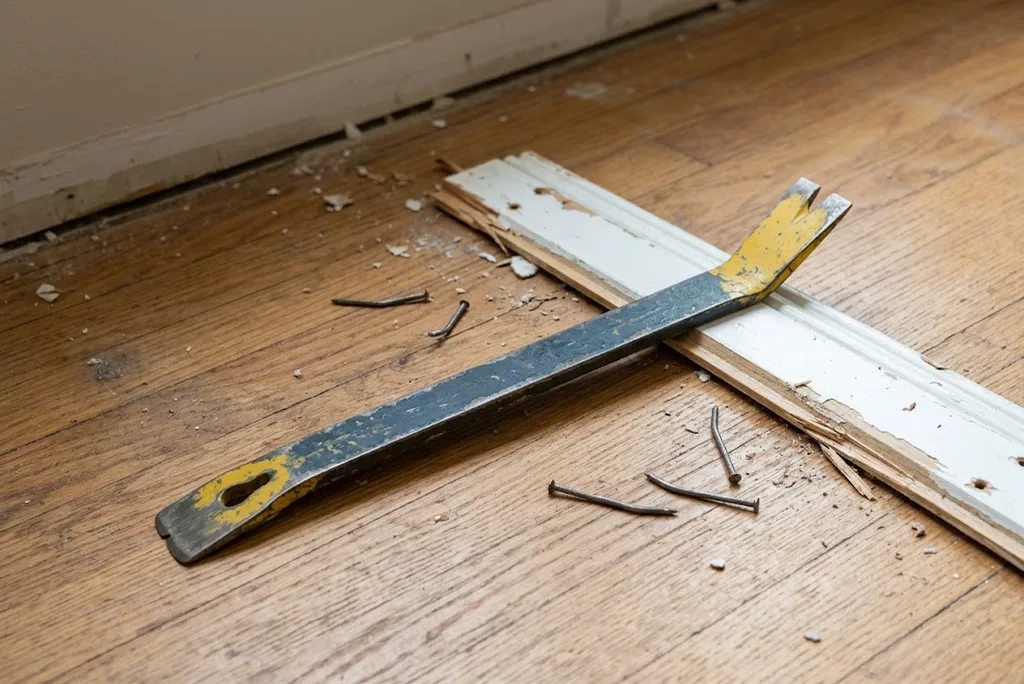 Hand ToolsPry Bar and Crowbar: The Leverage Tool Every Home NeedsA pry bar is a flat steel bar with a thin, beveled end and a nail slot, used to lift trim, pull nails and separate boards with leverage.
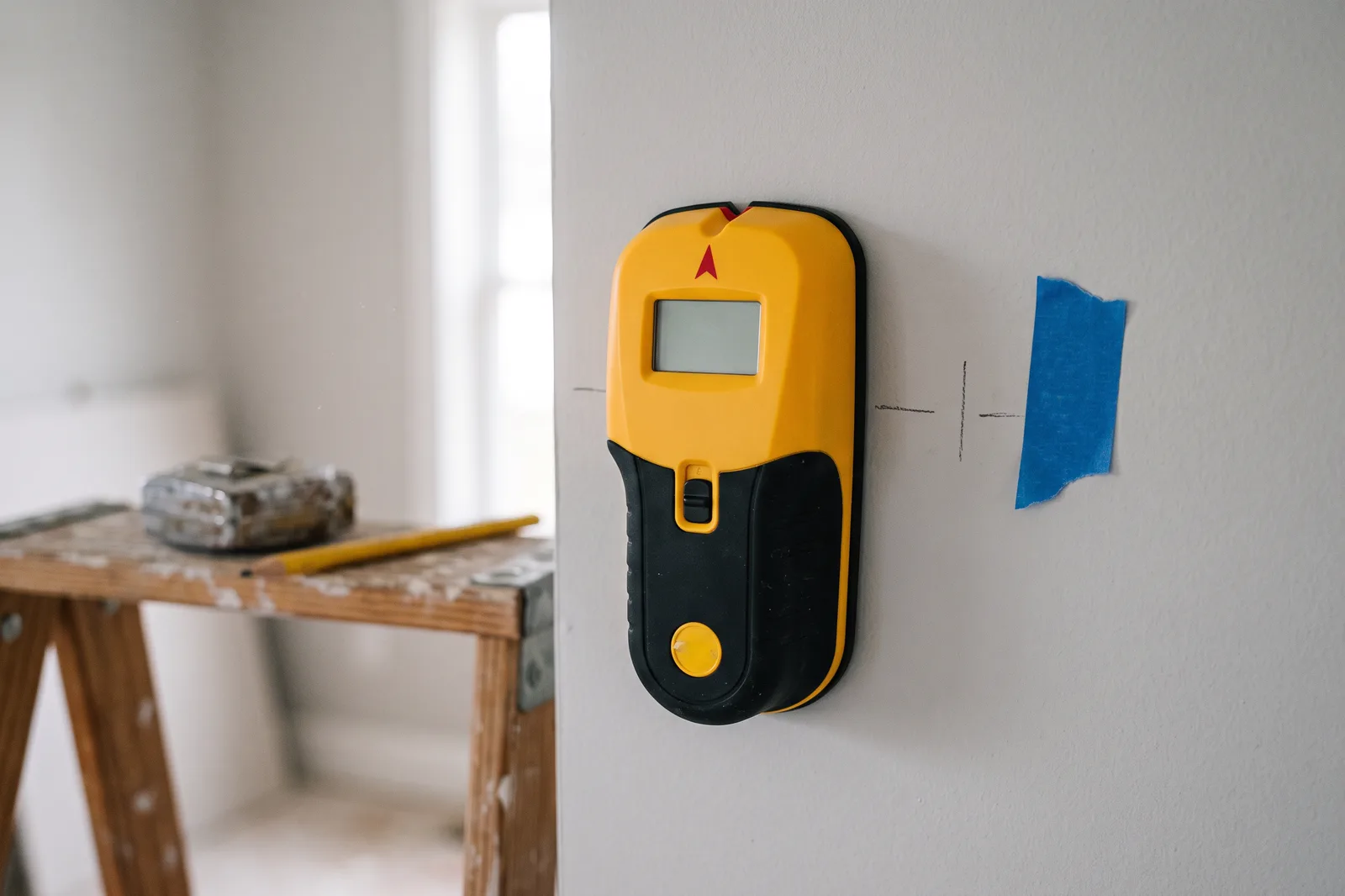 Measuring & LayoutStud Finder: The Wall Scanner That Keeps Shelves and TVs From FallingA stud finder is a small handheld scanner that tells you where the wood or metal studs are behind drywall, so heavy shelves, mirrors and TVs get fastened to something strong.