
Hand Tools · Roundup · Pro · DIY
Work Gloves for Different Jobs: Which Pairs to Own
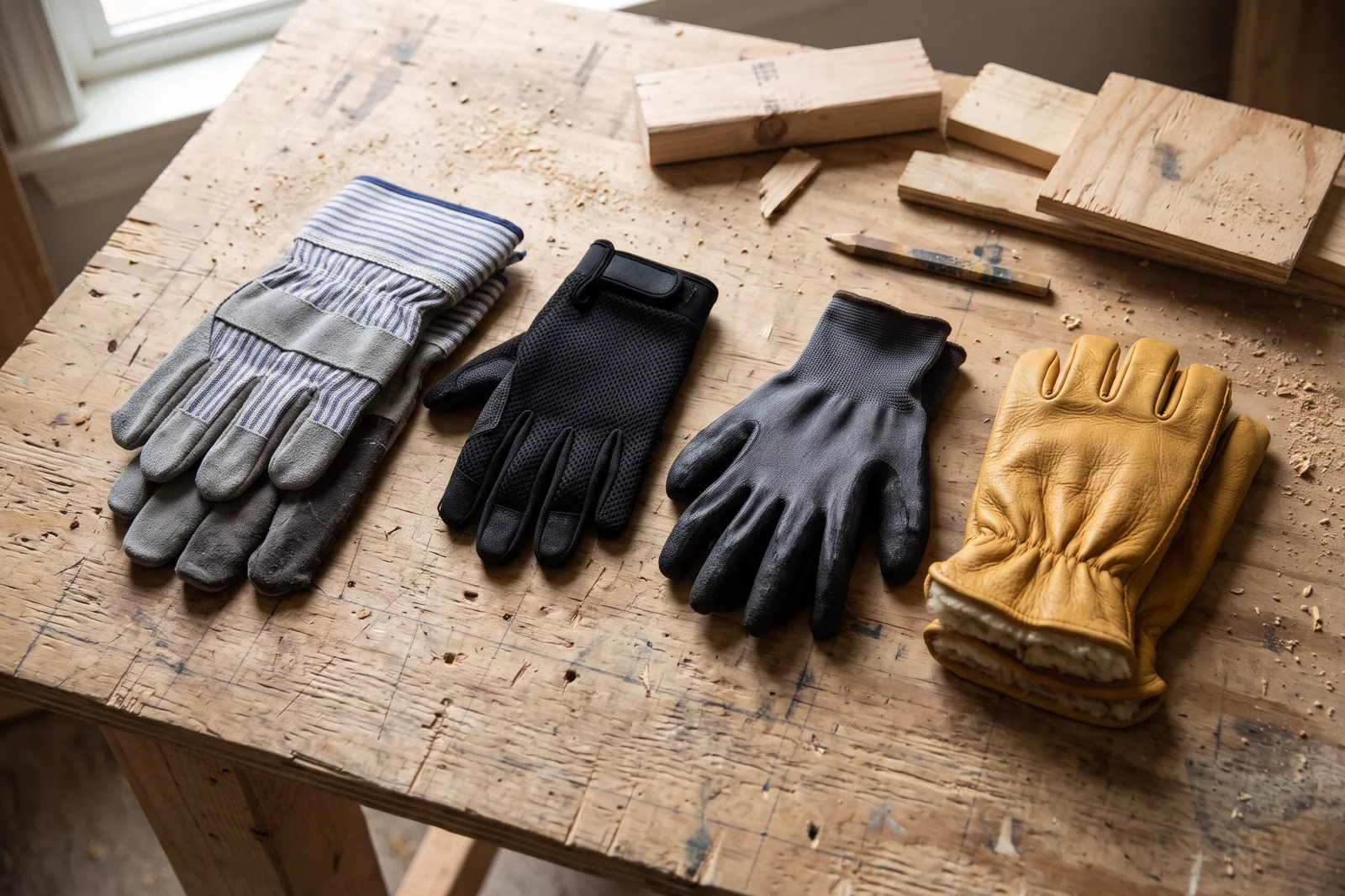
Quick answer
No single glove does every job. Own a stiff leather pair like the G&F suede for heavy handling, a thin synthetic pair like the Mechanix Wear Original for tool work, coated nitrile gloves like the DEX FIT FN330 for light grip and weeding, and a lined leather pair like the toolant for cold days. Skip gloves near spinning bits and blades.
What are work gloves?
Work gloves are hand protection for jobs that scrape, pinch, splinter or chill your hands. They do not make you immune to a blade or a power tool, but they handle the everyday damage: rough lumber, rusty hardware, thorny branches and cold steel.
Four kinds cover most home jobs. Leather gloves use cowhide or suede and are tough and stiff. Synthetic gloves use thin man-made leather and a stretchy back for feel. Coated gloves are thin knit gloves with a rubbery layer on the palm for grip and clean hands. Lined winter gloves add insulation to leather for cold work.
| Type | Strength | Weak spot |
|---|---|---|
| Leather (suede or cowhide) | Wear, impact and puncture protection | Stiff, less feel |
| Synthetic leather | Fit, flexibility, tool feel | Thin palm wears faster |
| Coated knit (nitrile) | Grip and clean hands, light work | Little protection from sharp points |
| Lined winter leather | Warmth for cold jobs | Bulk, sizing runs small |
Why you'll want them
Hands are the tools you cannot replace. A scraped knuckle or a deep splinter can cost days of work. A pair of gloves stops most of that for very little, and the right pair makes a job faster because you can grip and carry with confidence.
We read Project Farm's glove test, This Old House's tested picks, WC Safety's review of the Mechanix Original and Amazon's buyer summaries. The patterns:
- Thick leather lasts longest. In Project Farm's sandpaper test the thick suede G&F pair took 61 passes, while thin leather pairs gave out at about 15 passes or fewer.
- Thick also means stiff. The same pair needed far more force to bend a finger than the soft Mechanix leather glove, and the host said it was not very comfortable.
- Impact and puncture follow thickness. The G&F suede pair showed the least damage in the impact test and the strongest puncture result, thanks to its double-layer index finger.
- Coated and silicone fingers grip best. In Project Farm's slide test a silicone-fingered pair and nitrile-grip pairs beat plain leather, which often grips poorly.
- Cut protection needs a real rating. Thin leather pairs lost to the electric knife in about a second, and a padded winter-lined pair and a cut-resistant liner lasted the longest.
- Sizing is a common problem. WC Safety says synthetic gloves do not stretch, This Old House testers found their Mechanix pair ran large, and Amazon buyers say the toolant runs small.

What buyers and testers say about our four picks
- Praised: the G&F's value and heavy protection; the toolant's warmth and soft leather; the Mechanix Original's comfort and feel; the DEX FIT's grip and all-day comfort.
- Common complaints: the G&F is stiff at first and some buyers report weak stitching; the toolant runs small and some straps are poorly sewn; the Mechanix has mixed durability reports; the DEX FIT has mixed durability reports and offers little puncture protection.
- Protection caution: none of the four lists a cut or certified impact rating, so none replaces cut-resistant gloves for blade work.
Who it's for
- First-time homeowners: yard work, moving boxes and demolition all mean splinters and scrapes
- Weekend DIYers: a leather pair for lumber and a thin pair for screws and small parts
- Gardeners and yard workers: coated gloves keep hands clean and grip wet weeds
- Cold-weather workers: lined leather gloves keep hands working in snow and frost
Who should skip it
- Anyone handling razor-sharp blades all day. Look for gloves with a rated cut level, which none of our picks claim.
- Anyone running a drill press, lathe or saw. Loose gloves can catch in spinning parts, so take them off near rotating tools.
How to use them
- Match the glove to the job. Use leather for lumber, bricks and demolition, and thin gloves for screws, wiring and small parts.
- Check the fit first. The glove should be snug with no loose material at the fingertips. Read the size chart, because sizing varies by brand.
- Break in stiff leather. Wear the leather pair for a few easy jobs, because buyers say suede feels stiff at first.
- Cinch the cuff. Snug a hook-and-loop strap or pull the rubber cuff over your sleeve to keep debris out.
- Take them off near spinning tools. A loose glove can wrap into a drill bit or saw blade, so strip them off at a drill press or lathe.
- Keep them dry. Wet gloves lose grip and warmth, so swap in a dry pair, which is easy with a multi-pair pack.
- Wash the washable ones. Wash coated and synthetic pairs per the label, because WC Safety says grime shortens the life of synthetic palms.
- Air dry leather. Dry leather away from a heater so it does not crack.
- Check them before each job. Look for open seams, holes and worn patches on the palm and fingertips.
- Replace worn pairs. A glove with a worn-through palm or split fingertip no longer protects.

Common mistakes
- Using thin gloves for sharp work. A thin leather glove lost to the knife in under a second in Project Farm's test.
- Buying too big. A loose fit reduces dexterity and can catch on tools.
- Wearing gloves at rotating tools. Take them off at a drill press, lathe or saw.
What to look for when buying
Start with the job you do most. Heavy hauling and demolition points to leather. Tool work points to a thin synthetic or coated pair. Cold outdoor work points to a lined glove.
| Feature | What to check | Why it matters |
|---|---|---|
| Palm material | Suede, cowhide, synthetic or nitrile coating | Sets the wear, grip and feel balance |
| Thickness | Listed or visible layers on the palm and index finger | Thick pairs lasted longest in Project Farm's wear test |
| Cut or impact rating | An ANSI level on the label | Without one, do not rely on it near blades |
| Fit and size chart | Maker's chart and buyer comments on sizing | Several pairs run small or large |
| Lining | Fleece or Thinsulate for cold work | Warmth, but more bulk |
| Cuff | Rubberized, elastic or hook-and-loop | Keeps debris out and holds the glove on |
| Care | Machine washable or wipe clean | Affects how long the glove lasts |
Which glove fits which buyer
- Heavy lifting and rough work: the G&F suede pair, in a multi-pair pack.
- Cold-weather work: the toolant, with its Thinsulate lining.
- Wrenching, assembly and screws: the Mechanix Wear Original.
- Weeding, packing and light yard work: the DEX FIT FN330 coated gloves.

Other gloves the testers rated
Project Farm and This Old House also tried other gloves that may suit specific jobs. We list them for context, and they are not our picks.
| Glove | Tester note |
|---|---|
| Kinco lined pigskin glove | Resisted the knife test the longest in Project Farm's video, but was the stiffest and gripped poorly |
| HexArmor cut-resistant glove | Lasted nearly as long as the Kinco in the knife test, but gave little puncture protection |
| West Chester silicone-finger glove | The most grip in Project Farm's slide test, but it wore out in few passes |
| Ironclad General Utility | This Old House praised its balance of protection and flexibility, though some found it stiff for small tools |
| Custom Leathercraft Handyman Flex Grip | This Old House named it the most protective pair, but the thickness limited hand movement |
What the Project Farm test measured
The video tested 17 pairs of work gloves from budget to premium. It scored cut resistance by timing an electric knife through the index finger, wear by rubbing a fingered tester on 180-grit sandpaper under weight, impact by dropping a spring-loaded striker onto a wooden dowel inside the glove, puncture by measuring the force to push a point through, grip by sliding a steel block, and comfort by measuring the force to bend a finger. The video's Mechanix glove was a leather model, not the synthetic Original, so the article draws only one lesson from it: thin leather feels best on the hand and wears faster. The host called the comfort judgments subjective.
How our four picks did in that test
Two of our four were in the video, and the other two were not, so we say so plainly.
| Pick | In the Project Farm video | What we can say |
|---|---|---|
| G&F suede 5-pack | Tested. Top scores for wear, impact and puncture, and a strong cut time for a glove that makes no cut claim. | The host's pick if value is all that matters, with a stiff, snug feel |
| toolant winter leather | Tested. Four A grades and three B grades, more comfortable than the G&F, with a thick liner that helped in the wear and cut tests. | A good choice if you need warmth |
| Mechanix Wear Original | Not tested. A different Mechanix leather glove was. | Judged on listing, WC Safety and This Old House instead |
| DEX FIT FN330 | Not tested. | Judged on listing, This Old House and Amazon's buyer summary |
The lesson is not that thick gloves win every time. Thick gloves protect better and feel worse, and thin gloves feel better and protect less. That is why owning two or three pairs makes sense for a home with mixed jobs.
A simple three-pair starter set
- One heavy leather pair for lumber, bricks, firewood, demolition and hauling brush. The multi-pair G&F pack means a dry spare is always ready.
- One thin pair for wrenches, screws, wiring and assembly, where you need to feel small parts. The Mechanix Original or the DEX FIT both fit here, and the DEX FIT adds grip for weeds and wet jobs.
- One lined pair if you work outside in winter, such as shoveling, clearing branches or hauling firewood. The toolant fits this slot.
Keep them where you use them, one set in the garage and one in the car or yard shed, so you never skip them because the pair was in the wrong place.
Key specs to look for
| Spec | What to look for |
|---|---|
| Palm material | Leather resists wear and punctures, synthetic leather feels thinner, and coated knit gives the best feel for light work. |
| Thickness | Project Farm found the thick suede pair lasted far longer than thin leather pairs in a sandpaper wear test, while thin pairs felt better to wear. |
| Cut protection | Only gloves with an ANSI cut rating or a cut-resistant liner should be trusted around blades. Project Farm's thick winter-lined pair resisted a cutting test the longest. |
| Grip | Coated or silicone fingers gripped best in Project Farm's slide test, and many plain leather pairs gripped poorly. |
| Warmth and lining | Thinsulate or fleece linings add warmth but also thickness, so size up only if the maker's chart says so. |
| Cuff style | A rubberized or elastic cuff keeps debris out, and a hook-and-loop strap lets you cinch the wrist. |
| Fit and sizing | Synthetic gloves do not stretch much, so check the maker's size chart. Buyers say some pairs run small and others large. |
| Pack size | Multi-pair packs keep a dry spare ready, which helps with sweaty or muddy work. |
Where to get them
All four are sold on Amazon. We rate the G&F suede pack and the DEX FIT FN330 as budget tier, and the toolant lined leather pair and the Mechanix Wear Original as mid tier.
| Pros | Cons |
|---|---|
| A few pairs cover almost every home job, from lumber to weeding to winter chores | Thick gloves feel stiff and cost you feel for small parts |
| Thick leather pairs lasted far longer than thin ones in Project Farm's wear test | Thin gloves give little cut or puncture protection and can wear through |
| Multi-pair packs and washable knit gloves are cheap to replace | Sizing varies by brand, and gloves near spinning tools can be a hazard |
| Pick | Best for | What buyers like | What buyers flag |
|---|---|---|---|
| G&F suede 5-pack | Lumber, bricks, heavy handling | Value, heavy protection, double palm | Stiff at first, mixed stitching reports |
| toolant winter leather | Cold-weather work | Warm, soft leather, good value | Sizes run small, some weak straps |
| Mechanix Wear Original | Wrenching, screws, assembly | Fit, feel, breathable back | Mixed durability, no cut rating |
| DEX FIT FN330 | Weeding, packing, light work | Grip, comfort, three pairs | Mixed durability, thin protection |

G & F Products 5215L-5 Premium Suede Double Palm & Index Finger Work Gloves, 5 Pair Pack
- A cowhide suede palm with a double-palm patch, a reinforced index finger, a cotton back and a long rubberized cuff, sold as a five-pair pack, according to the listing
- In Project Farm's 17-pair test it led on abrasion, impact and puncture, and the host named it the pick if the choice is all about value
- The same test found it stiff and not very comfortable, and Amazon's buyer summary notes stiffness at first and mixed reports on fit and stitching
How we scored it
Usefulness 8/10 · Value 10/10 · Durability 9/10. This is our own opinion, based on specs, buyer reviews and independent tests. It is not an Amazon or customer rating.

toolant Winter Leather Work Gloves with 3M Thinsulate Lining
- Full-grain cowhide with a 3M Thinsulate lining and an adjustable hook-and-loop cuff, according to the listing
- In Project Farm's test the toolant earned four A grades and three B grades, and the host found it more comfortable than the cheapest leather pair
- Amazon's buyer summary praises warmth in snow and freezing weather, with a common caution that sizes run small and some straps are poorly sewn
How we scored it
Usefulness 8/10 · Value 9/10 · Durability 8/10. This is our own opinion, based on specs, buyer reviews and independent tests. It is not an Amazon or customer rating.

Mechanix Wear Original Touchscreen Work Gloves
- A thin synthetic-leather palm, a woven mesh back and a stretch cuff made for feel and dexterity, according to the listing
- This Old House testers praised the fit and breathable back, and WC Safety calls it a dexterity glove with no cut, heat or certified impact rating
- Buyers disagree on durability, with some reporting seams that split and palms that wear through, so a snug fit and regular washing matter
How we scored it
Usefulness 9/10 · Value 8/10 · Durability 6/10. This is our own opinion, based on specs, buyer reviews and independent tests. It is not an Amazon or customer rating.

DEX FIT Nitrile Work Gloves FN330, 3 Pairs
- A thin knit glove with a nitrile-coated palm and fingers and touchscreen-capable fingertips, sold as a three-pair pack, according to the listing
- This Old House testers found them snug, flexible and clean-handed, but a knife test left a small puncture and lifting lumber made hands sore
- Amazon's buyer summary praises grip and all-day comfort, with mixed reports on how long they last
How we scored it
Usefulness 8/10 · Value 9/10 · Durability 6/10. This is our own opinion, based on specs, buyer reviews and independent tests. It is not an Amazon or customer rating.
Pair them with the eye and ear gear in our guide to safety glasses and hearing protection.
Watch and read more
Video reviews
- The Only Work Gloves You'll Ever Need! — Project Farm
Tests 17 pairs of work gloves for cut, abrasion, impact, puncture, grip and finger stiffness. The thick suede G&F pair scored best overall and the toolant lined leather pair also did well.
Frequently asked questions
Which type of work glove is best for general home projects?
There is no single answer. In Project Farm's test, a thick suede pair beat pricier gloves on wear, impact and puncture but felt stiff, while a thin leather Mechanix pair felt best on the hand but wore out faster. Pick leather for heavy handling and a thin synthetic or coated pair for small parts.
Are leather gloves or synthetic gloves better?
Leather usually lasts longer and resists punctures, and synthetic gloves feel lighter and more flexible. This Old House testers praised the breathable back of the Mechanix Original, while Project Farm found thick leather lasted longest under sandpaper. Your job decides, so many people own both.
Do work gloves protect against cuts?
Only some do. WC Safety says the Mechanix Original has no cut, heat or certified impact rating. In Project Farm's knife test, a cut-resistant liner and a thick winter-lined pair lasted the longest, while thin leather pairs gave way in under a second. Check the label for an ANSI cut level.
How should work gloves fit?
Snug, with no extra material at the fingertips. WC Safety notes synthetic gloves do not stretch, so the first fit is permanent. Amazon buyers report that the toolant runs small and the G&F fit varies, so read the size chart and size up if you are between sizes.
How do I wash work gloves?
Follow the care label. Machine washable pairs such as coated knit gloves can go in a gentle wash, and WC Safety says dirt buildup shortens the life of synthetic palms. Leather pairs are usually wiped clean and air dried away from heat.
Should I wear gloves with power tools?
Wear them for handling and carrying, but take them off near spinning bits, blades and lathes, where a loose glove can be pulled in. Gloves also reduce feel, so a thin pair is safer than a bulky one for small fasteners.
How long do work gloves last?
It depends on use. Project Farm's sandpaper test ranged from a handful of passes for thin leather to dozens for a thick suede pair. Buyer reviews for coated and synthetic gloves mention some pairs holding up and others wearing through, so keep a spare pair.
Sources
- This Old House: Best Work Gloves
- WC Safety: Mechanix Wear Original review
- SlashGear: Project Farm's cheap work glove test, summarized
- G&F 5215L-5 listing on Amazon (maker specs)
- toolant winter leather gloves listing on Amazon (maker specs)
- Mechanix Wear Original listing on Amazon (maker specs)
- DEX FIT FN330 listing on Amazon (maker specs)
Related tools
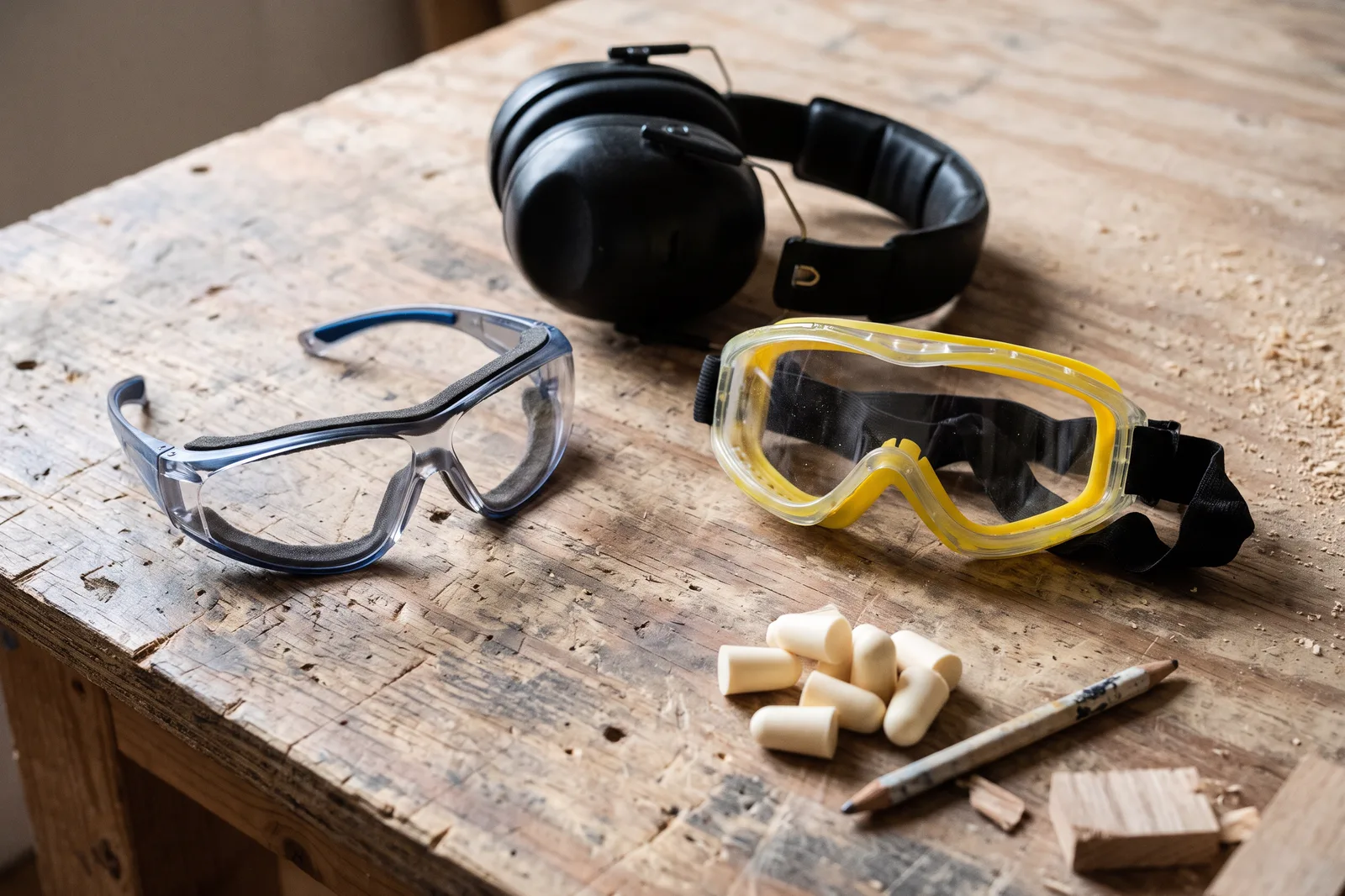 Workshop & Storage · RoundupSafety Glasses and Hearing Protection: What to Own for Home ProjectsEvery power-tool job needs two things: impact-rated eye protection and hearing protection rated for the noise.
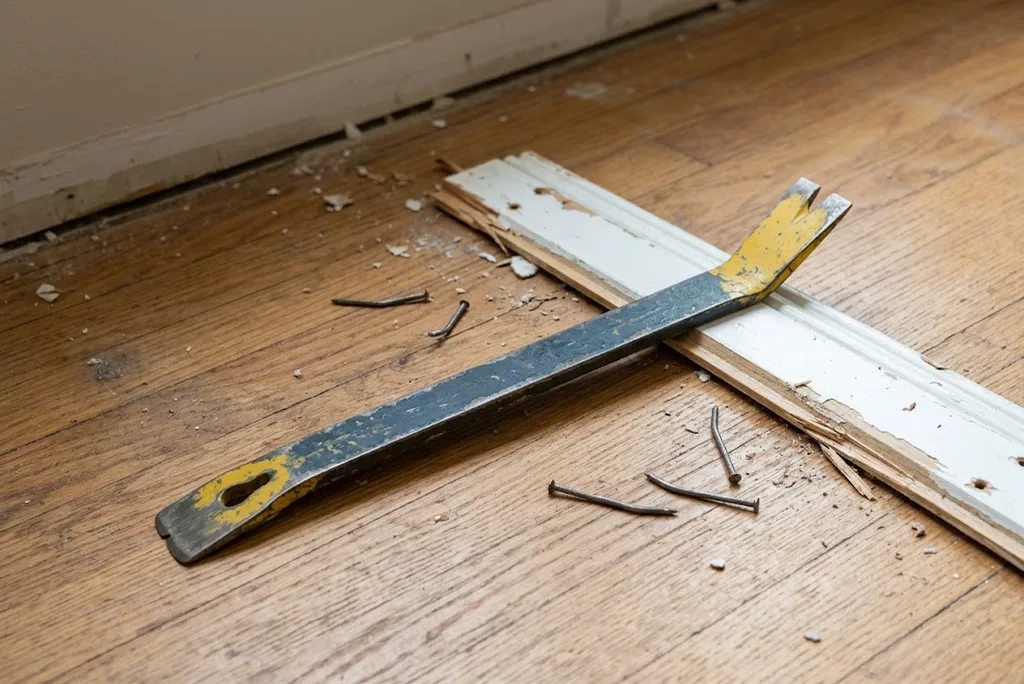 Hand ToolsPry Bar and Crowbar: The Leverage Tool Every Home NeedsA pry bar is a flat steel bar with a thin, beveled end and a nail slot, used to lift trim, pull nails and separate boards with leverage.
 Outdoor & GardenPick Mattock: The Digging Tool for Ground a Shovel Cannot BreakA pick mattock is a heavy digging tool with a pick on one side and a flat chopping blade (an adze) on the other.