Outdoor & Garden · Roundup · DIY
Digging Shovel vs. Spade: Which Ones to Own for the Yard
Quick answer
Most yards need a round-point shovel first: its pointed blade digs holes and breaks into tough soil. Add a garden spade when you start edging beds and cutting clean lines, and a square-point shovel only if you move a lot of mulch, gravel or compost. The Truper Tru Pro is a sturdy budget round-point, and the Fiskars 60-inch Pro is the mid-tier all-round pick. Skip the extras if you only plant a shrub or two a year.
What are digging shovels and spades?
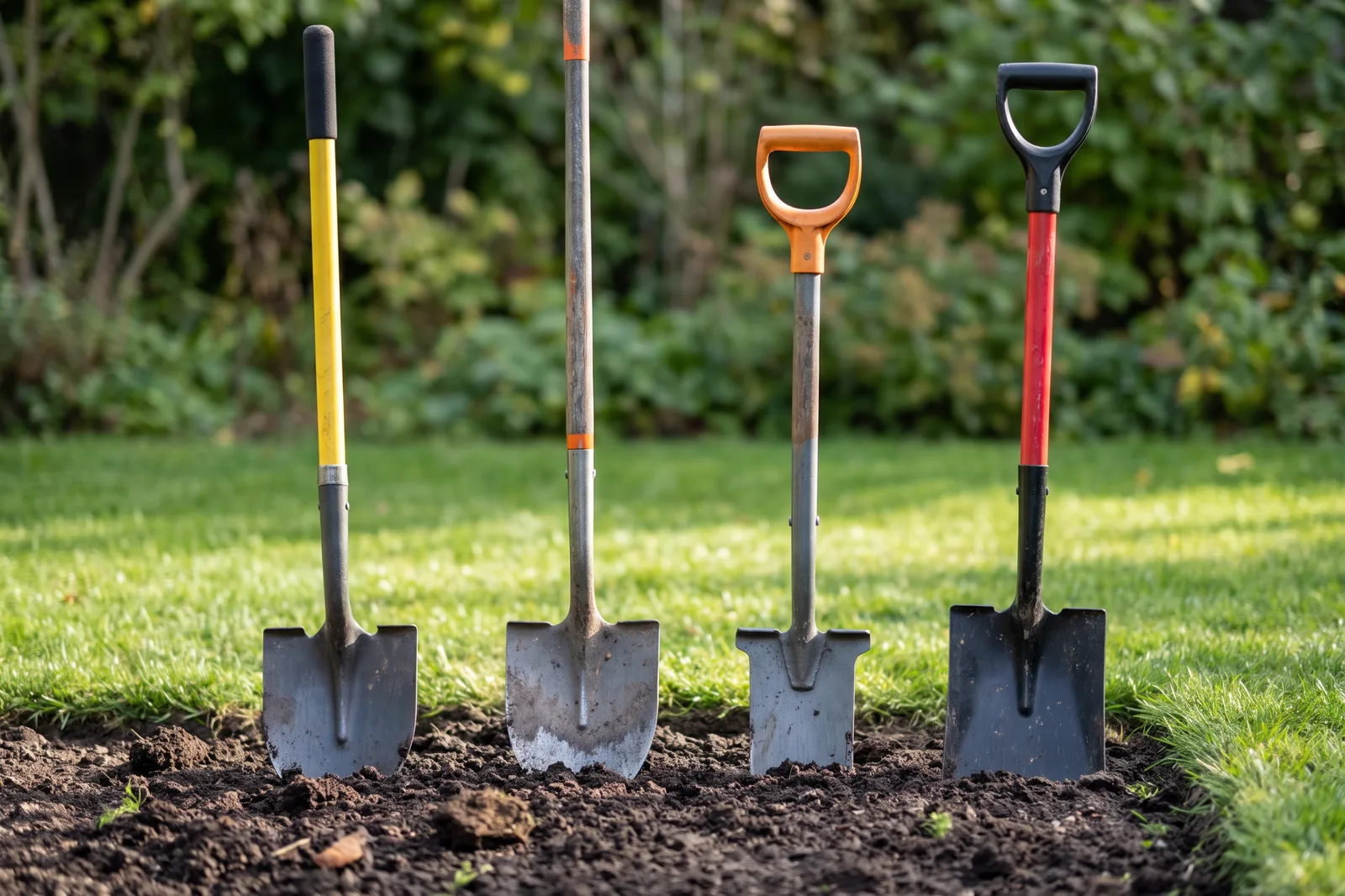
A shovel is a long-handled tool with a blade for lifting and moving earth. A spade is a close cousin with a flatter, straighter blade for slicing and cutting. People use the two words as if they mean the same thing, and the Gardensy video makes the same point: they are different tools for different jobs. Three types cover most yards:
| Tool | Blade | Best at | What to know |
|---|---|---|---|
| Round-point shovel | Curved, with a pointed tip | Digging holes, planting, breaking into tough soil | The all-round first buy |
| Square-point shovel (transfer shovel) | Flat and wide, with a square edge | Scooping and moving mulch, compost, sand, gravel | A weak digger in hard ground |
| Garden spade | Flat, straight-edged, often narrower | Edging beds, slicing sod, straight-sided holes, transplanting | Shorter handle, so you bend more |
The HouseCalls video sums it up in one breath: the round point is for tough soil and larger plants, the square point scoops loose dirt, sand or mulch, and the spade's straight edge cuts sod and makes straight lines for edging.
Why the angle matters
The Gardensy video points out that a shovel blade is angled forward from the handle, which makes it efficient for digging, while a spade blade sits in line with the shaft. That straight line is why a spade slices well. Sharply pointed blades cut into hard ground and roots, and flat blades are better for edging and lifting loose material.
The four picks in this guide
We chose four well-reviewed models across the tiers:
- Budget round-point: the Truper Tru Pro 48-inch fiberglass-handle shovel.
- Mid round-point: the Fiskars 60-inch Pro digging shovel.
- Mid spade: the Fiskars 44-inch Pro garden spade with a D-handle.
- Pro square-point: the Bully Tools 14-gauge square point shovel.
Why you'll want them
One shovel handles most yard jobs. Buying guides we read, including Harvest to Table's, call the round-point the best all-purpose choice for planting holes, transplanting and moving loose soil. One of the guides says that if you can only buy one, it should be the round point.
A spade makes cleaner work. A flat, straight-edged blade slices into soil and leaves straight sides, which is what you want when you edge a bed or lift a plant. Bob Vila's team, which tested ten shovels and spades for different jobs, picked a Fiskars spade for the garden spade role. The Reviews with Cam video praises a related Fiskars flat spade for edging a lawn and moving material around the yard.
The right blade saves effort. A pointed blade on hard ground, a flat blade under a pile of mulch: matching the blade to the job means less sweat and fewer blisters. A pointed round-point is the wrong tool for scooping a pile of gravel, and a flat transfer shovel is a poor choice for chopping through clay.
It pays back over many jobs. Shovels are used for planting shrubs, digging a drainage trench, turning a bed, moving compost and filling holes. Our garden hose reel guide and the rest of the yard tools we cover work best when the soil is ready, and soil prep starts with a shovel.

What buyers say
Amazon's review summaries describe the picks like this:
- Truper Tru Pro round-point: buyers find it high quality, durable and sturdy, and good value. One says they can put their full weight into it. Weight gets mixed feedback, and several buyers find it a little heavy.
- Fiskars 60-inch Pro: buyers call it the best shovel they have owned and praise its strong construction. One says it makes digging easier and quicker. Buyers disagree on weight.
- Fiskars 44-inch Pro spade: buyers say quality and durability exceed expectations. One reviewer says it survived cutting through eight tons of river rock, and another says it handles hard digging in rocky, rooty, clay soil.
- Bully Tools square-point: buyers describe the build as solid, but there are few reviews, so the evidence is thin.
Fiskars owner reviews on other sites are mixed on handle durability. Bob Vila says the attached handle on the Fiskars 46-inch spade is less durable than its steel shaft and could fail over time. TheGearTester says the full-length steel handle on the Fiskars long-handled digging shovel is very durable, and that the fiberglass handles on shovels at his workplace broke over time in the sun. We found no head-to-head test of these four exact models, so treat the ratings as buyer feedback and maker specs.
Who it's for
- New homeowners who need one tool that digs planting holes, divides plants and moves soil
- Gardeners with beds who want clean edges and straight-sided cuts for planting and transplanting
- Yard-project DIYers who move mulch, gravel or compost and want a flat scoop
Who should skip it
- Anyone with very hard, rocky or root-filled ground. A pick mattock breaks that ground first, and a shovel then moves the soil.
- People who only plant a single pot or small flower. A hand trowel is enough.
- Buyers who want a post-hole digger. A shovel makes a wide hole, not a narrow deep one.
How to use them
These steps combine what the videos and guides we read agree on.
- Match the tool to the job. Use the round-point for digging holes, the spade for edging and slicing, and the square-point for moving loose material.
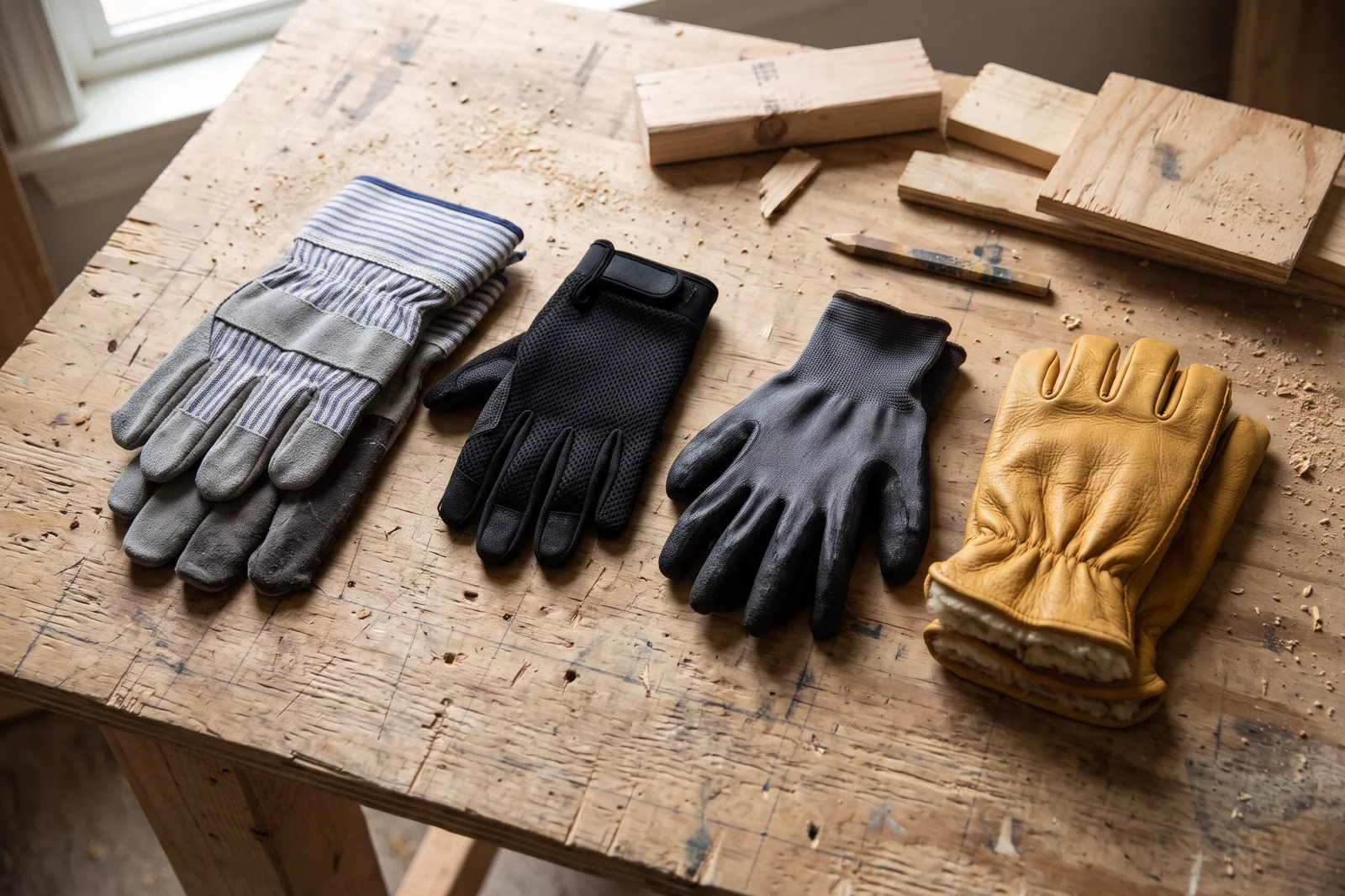
- Wear gloves and sturdy boots. A flat sole and closed toes protect your feet when you push on the blade. Our work gloves guide covers what to wear.
- Check for buried lines. Before any deep digging, call your local utility locating service so you do not hit a buried pipe or cable.
- Water very dry ground first. Soil that is damp, not soaked, cuts more easily. A hose nozzle makes this quick.
- Cut the outline first. For a bed or a planting hole, push the blade straight down around the outline so the edge is clean.
- Use your foot, not just your arms. Step on the top ledge of the blade, shift your weight, and push the blade in.
- Lever, don't lift everything. Rock the handle back to loosen a chunk, then lift. Keep your back straight and bend your knees.
- Do not use the shovel as a crowbar. Prying out a big rock bends the handle. For rocks and hard ground, break it up with a pick mattock first.
- Use the spade for straight sides. Slice downward along a string line for a clean bed edge or to cut a strip of sod.
- Scoop with the flat blade. Slide the square-point under the pile, keep the blade low, and lift with your legs.
- Don't overload the blade. A full, heavy load is how backs and handles get hurt. Take smaller scoops.
- Clean and store it. Knock off wet soil, wipe the blade dry and store it under cover.
Common mistakes
- Using a square-point to dig hard ground. The flat edge will not penetrate well. Use a round-point or a spade.
- Prying with the handle. Fiberglass and aluminum can snap or bend.
- Skipping the utility check. Hitting a buried line is dangerous.
- Overloading the blade. It strains the handle and your back.

What to look for when buying
Start with the blade. A round-point for general digging, a spade for edging and slicing, a square-point only if you move a lot of loose material.
Pick the handle length for the work. A long straight handle, around 48 to 60 inches, gives more leverage for holes. A shorter D-handle gives control in beds, but you bend more. Taller people often like longer handles.
Think about handle material. Fiberglass is weatherproof. Steel or aluminum shafts are very strong, but buyers say they can feel heavy. Wood can splinter.
Look at the blade build. Harvest to Table says forged blades are stronger and stamped blades are lighter and cheaper, and that closed-back, welded versions are sturdier than open-back ones. Check the listing for gauge and how the blade joins the handle.
Check the foot step. A wide, flat ledge makes the tool easier to drive in.
Check the grip. A D-grip or cushioned grip is easier on your hand. The Truper lists a 9-inch cushioned grip.
Look at the warranty. Fiskars lists a lifetime warranty. Read what is covered, because handles and blades can be treated differently.
Do not buy one tool for every job. Bob Vila tested different shovels for different jobs because no single shovel is right for all of them. If you only dig occasionally, one round-point is enough.

Key specs to look for
| Spec | What to look for |
|---|---|
| Blade shape | Round-point blades have a pointed tip that penetrates soil. Square-point blades are flat and scoop. Spade blades are flat and straight-edged for slicing. |
| Handle length | A long straight handle (48 to 60 inches) gives leverage for deep holes. A short D-handle (about 27 to 46 inches) gives control in beds and tight spaces. |
| Handle material | Fiberglass resists weather and does not splinter. Steel or aluminum shafts are very strong but can feel heavier or colder in the hand. |
| Blade steel and build | Forged steel is stronger and costs more. Stamped sheet steel is lighter and cheaper. A closed-back socket with a welded joint is sturdier than an open one. |
| Foot step | A wide, flat ledge on top of the blade lets you push with your boot instead of just your arms. |
| Grip | A D-grip or a cushioned end grip makes pulling and lifting easier on the hand. Wear gloves either way. |
| Weight | Heavier tools drive in better but tire you faster. Buyers disagree about the weight of the picks here, so check the listing. |
| Warranty | Some makers, such as Fiskars, list a lifetime warranty. Read the terms, because handles are often covered differently from blades. |
Where to get them
All four are sold on Amazon. We rate the Truper as budget tier, the two Fiskars as mid tier and the Bully Tools as pro tier.
| Pros | Cons |
|---|---|
| A round-point shovel digs, plants and moves soil, so one tool covers most yard jobs | Digging is hard work, and heavy tools tire you quickly |
| A spade gives clean edges and straight-sided cuts that a round shovel cannot | No single shovel does every job well, so a full set means buying two or three |
| Basic shovels last for years and cost little compared with power tools | Handles can break if you pry with them, and buyers disagree on the weight of these picks |
| Pick | Best for | What buyers like | What buyers flag |
|---|---|---|---|
| Truper Tru Pro round-point | General digging and planting | Sturdy, durable, good value | A little heavy for some |
| Fiskars 60-inch Pro | Deep holes and tough soil | Strong build, makes digging quicker | Weight opinions differ |
| Fiskars 44-inch Pro spade | Beds, edging, rocky or clay soil | Quality and durability, hard digging | Shorter, so you bend more |
| Bully Tools square-point | Scooping mulch, gravel, compost | Solid build | Few reviews, weak in hard ground |

Truper Tru Pro Round-Point Shovel, 48-Inch Fiberglass Handle (PRL-F)
- A round-point blade on a 48-inch fiberglass handle with a 9-inch cushioned grip, made for general digging and breaking through tough soil
- Amazon's review summary says buyers find it high quality, durable and sturdy, and good value, and one says they can put their full weight into it
- Weight gets mixed feedback, and several buyers find it a little heavy to work with
How we scored it
Usefulness 8/10 · Value 9/10 · Durability 8/10. This is our own opinion, based on specs, buyer reviews and independent tests. It is not an Amazon or customer rating.

Fiskars 60-Inch Pro Garden Shovel for Digging, Straight Handle
- A heavy-gauge steel blade with a sharpened edge and a teardrop shape, on a long straight handle the maker calls aluminum, with a lifetime warranty according to the listing
- Amazon's review summary says buyers call it the best shovel they have owned, with strong construction, and that it makes digging easier and quicker
- Buyers disagree on weight, with some calling it lightweight and others heavy
How we scored it
Usefulness 9/10 · Value 8/10 · Durability 8/10. This is our own opinion, based on specs, buyer reviews and independent tests. It is not an Amazon or customer rating.

Fiskars 44-Inch Pro Garden Shovel (Steel Spade, D-Handle)
- A shorter spade with a sharpened edge and an ergonomic aluminum D-handle, meant for digging and turning soil in beds
- Amazon's review summary says buyers find the quality and durability exceed expectations, and one says it handles hard digging in rocky, rooty clay soil
- Shorter than a long-handled shovel, so you bend more, and Bob Vila notes the attached handle is less durable than the steel shaft on the related Fiskars 46-inch spade
How we scored it
Usefulness 8/10 · Value 8/10 · Durability 8/10. This is our own opinion, based on specs, buyer reviews and independent tests. It is not an Amazon or customer rating.

Bully Tools 14-Gauge Square Point Shovel with Fiberglass D-Grip
- A flat, square-edged blade for scooping and moving loose material, with a fiberglass handle and D-grip, listed as made in the USA
- Amazon's review summary calls its build quality solid, but there are few reviews, so the evidence is thin
- A flat blade moves mulch, compost and gravel well but is a weak digger in hard ground
How we scored it
Usefulness 7/10 · Value 7/10 · Durability 8/10. This is our own opinion, based on specs, buyer reviews and independent tests. It is not an Amazon or customer rating.
Before you dig fence post holes, work out your layout with the Fence Calculator, and read our pick mattock guide if the ground is too hard for a shovel.
Watch and read more
Video reviews
- How to Choose the Right Shovel — HouseCalls
A short guide to the three shovels used most in home gardens: the round-point for digging holes in tough soil, the square-point for scooping loose material, and the garden spade for cutting sod and straight edges. - Fiskars 46" Spade - The Best Shovel for Your Yard — Reviews with Cam
Reviews a related Fiskars 46-inch steel flat spade with a D-handle, praising it for edging and moving material, and noting that you bend more than with a long-handled shovel. - "Fiskars: FOREVER SHOVEL" by TheGearTester — TheGearTester
Reviews an earlier Fiskars long-handled digging shovel, a close relative of the 60-inch Pro, and says its full-length steel handle outlasts fiberglass ones he has seen break at a landscaping company.
Free calculators FigureMyHome
- Fence Calculator — Work out how many posts and holes a fence needs before you start digging.
Frequently asked questions
What is the difference between a shovel and a spade?
Blade shape and job. A shovel has a larger, usually curved blade that scoops and digs, while a spade has a flatter, straighter blade. The Gardensy video explains that the shovel blade is angled forward, which makes it efficient for digging, and that the straighter spade is better for slicing sod, edging and cutting straight-sided holes.
Which shovel should I buy first?
A round-point shovel. Buying guides from Harvest to Table, Lowe's and others agree it is the best all-purpose choice for digging holes, planting and moving loose soil. Add a spade or a square-point shovel later for edging or scooping.
What is a square-point shovel for?
Moving loose material such as sand, mulch, compost and gravel. The flat edge slides under a pile and lifts it. It is also called a transfer shovel, and it is not the best choice for digging in hard ground.
D-handle or long handle?
A long straight handle gives more reach and leverage, which suits deep holes and big areas. A D-handle gives more control in tight spaces such as flower beds, but you bend more. Pick the one that matches the work you do most.
Should I choose fiberglass, wood or steel handles?
Fiberglass is weatherproof and does not splinter. Steel or aluminum handles are very strong. In the TheGearTester video, the reviewer says fiberglass handles on shovels at the landscaping company where he works broke over time, and prefers a steel handle that runs the full length of the shaft. A wood handle can be replaced, but it can splinter and rot.
Is a more expensive shovel worth it?
Often, if you dig regularly. Buyer reviews of the Truper and Fiskars picks stress sturdiness and durability, and buyers describe the Bully as solid. If you dig a few times a year, a budget round-point such as the Truper is a sensible start.
How do I keep a shovel from rusting?
Knock off wet soil after use, wipe the blade dry and store it indoors or under cover. A light coat of oil on the blade helps.
Sources
- Bob Vila: The best shovels, tested
- Harvest to Table: Shovel buyer's guide
- Lowe's: Choosing between a shovel and a spade
- Gardensy: Shovel vs. spade (video)
- Truper Tru Pro round-point shovel listing on Amazon (maker specs and customer review summary)
- Fiskars 60-inch Pro shovel listing on Amazon (maker specs and customer review summary)
- Fiskars 44-inch Pro shovel listing on Amazon (maker specs and customer review summary)
- Bully Tools square-point shovel listing on Amazon (maker specs and customer review summary)
Related tools
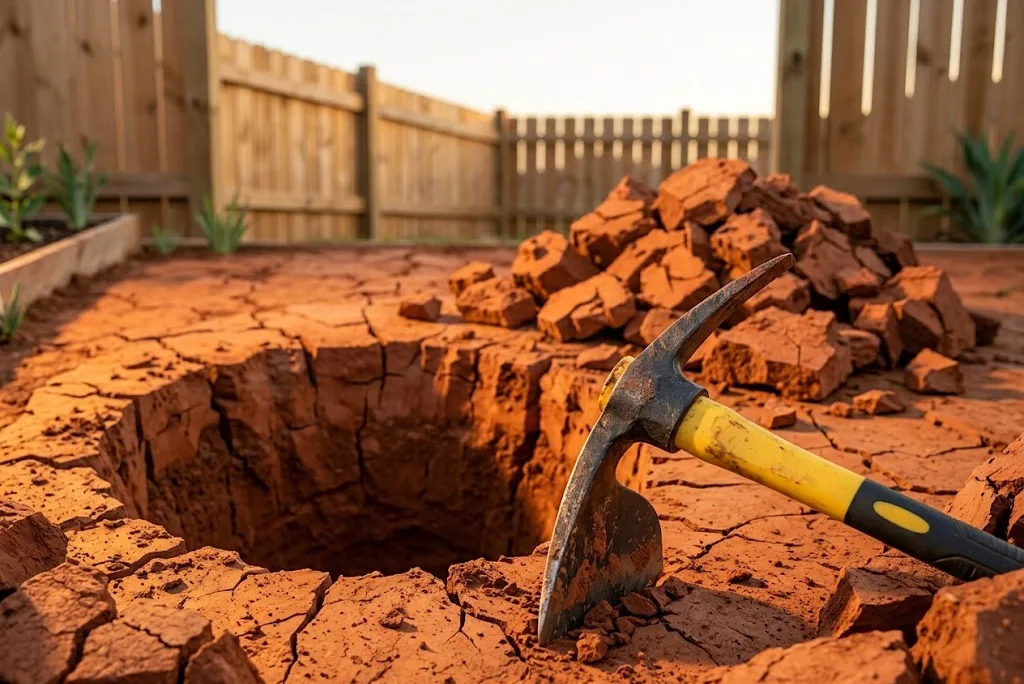 Outdoor & GardenPick Mattock: The Digging Tool for Ground a Shovel Cannot BreakA pick mattock is a heavy digging tool with a pick on one side and a flat chopping blade (an adze) on the other.
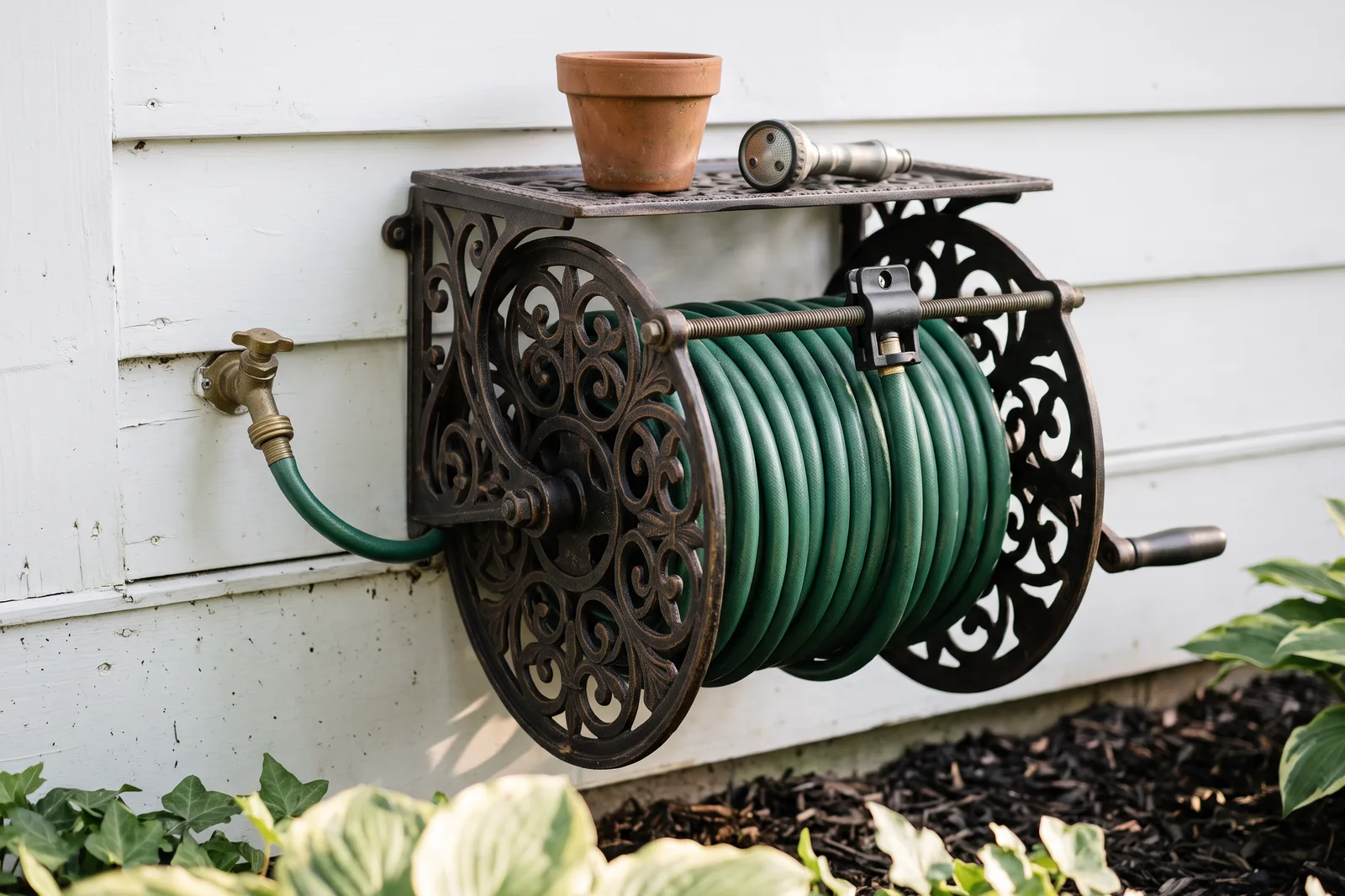 Outdoor & GardenGarden Hose Reel: Wall-Mount, Cart or Retractable? What to OwnA garden hose reel keeps your hose coiled off the ground so it stops kinking, cracking and getting run over.
 Hand Tools · RoundupWork Gloves for Different Jobs: Which Pairs to OwnNo single glove does every job.