Outdoor & Garden · Single tool · DIY
Pick Mattock: The Digging Tool for Ground a Shovel Cannot Break
7 min read
As an Amazon Associate I earn from qualifying purchases. Links to Amazon on this page are affiliate links. How that works.
Quick answer
A pick mattock is a heavy digging tool with a pick on one side and a flat chopping blade (an adze) on the other. It breaks up hard clay, packed gravel and tough roots so a shovel can move the soil. Buy one if you dig post holes, garden beds or trenches in difficult ground.
What is a pick mattock?
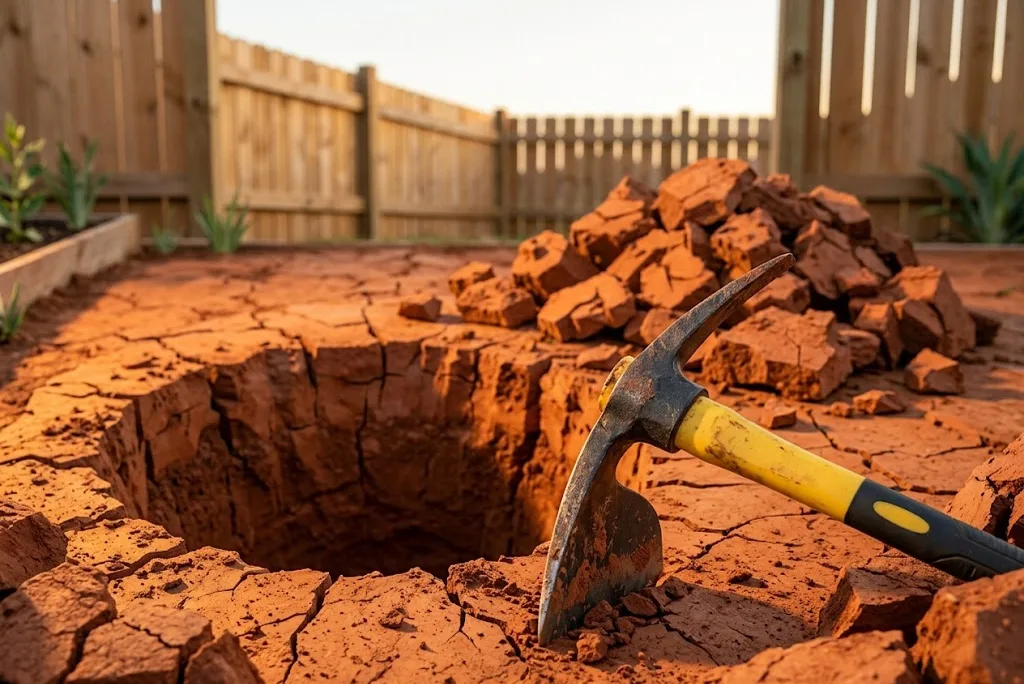
A pick mattock is a long-handled digging tool with a heavy steel head. One side of the head ends in a point, called the pick. The other side is a flat, wide blade called an adze, set at a right angle to the handle like a short hoe. You swing it like an axe, and the head does the work.
The pick side breaks hard ground. It concentrates all the weight and speed of the swing into a small point, which cracks packed clay, loosens gravel and works between rocks. The adze side chops through roots, scrapes loosened soil and cuts a clean trench wall.
You may hear it called a pick, a grub hoe, a cutter mattock or a garden mattock. A true cutter mattock has an axe-like blade on one side instead of a pick. A pick mattock, which is the one I use and the one we cover here, has the pick.
I'm a licensed architect, and I've ended up with one in my truck on more projects than I would have guessed. When a site has hard clay or old roots, it saves a surprising amount of time.
Why you'll want it
The pitch is simple: it keeps your shovel from becoming a very expensive pry bar.
Dig where a shovel will not. Anyone who has stood on a shovel only to feel it bounce knows the problem. Dry clay can be nearly as hard as concrete, and gravel mixed with clay is worse. A mattock breaks that ground so the shovel can lift it.
Cut roots without a saw. The adze slices through small and medium roots in a few swings. Pulling an old shrub or clearing a fence line becomes a manageable job.
Save your back. A good swing uses the weight of the head, not your arms. You still work, but you spend your energy where it counts, and your shovel stays intact.
One tool, three jobs. Break, chop and scrape. That makes a mattock a strong choice if you want a single tool for yard work in rough ground.
Own it once, use it for years. A forged steel head and a good handle can last decades with basic care. It is one of those tools that does not go obsolete.
Where you will use it
- Setting posts: fence, mailbox and deck posts in hard or rocky ground.
- New garden beds: breaking sod and packed soil before you amend it.
- Trenches: irrigation lines, drain pipes and low-voltage cable runs.
- Stump and root work: exposing and cutting roots before pulling a stump.
- Land clearing: old brush, thorny shrubs and tough weeds with deep roots.
- Landscaping edges: chopping a clean edge along a path or patio.
Mattock, shovel, digging bar: which one when
People often ask whether they need a mattock or a digging bar. They overlap, but they are not the same.
- Shovel: moves loose soil. It is the finishing tool for any hole, and it is not meant to break hard ground.
- Digging bar (also called a tamping bar): a long steel rod with a chisel end. It is excellent for prying out rocks and punching narrow holes, but it is slow for wide trenches or beds.
- Pick mattock: breaks a wide area of hard soil and cuts roots in the same pass. For most homeowners with clay, it is the most versatile of the three.
If your soil is soft, a shovel is enough. If you hit rocks all day, add a digging bar. If you fight clay and roots, buy the mattock first.
Who it's for
- Homeowners setting fence or deck posts in clay or rocky ground
- Gardeners breaking new beds in packed soil or clearing roots
- Trench diggers running irrigation, drain or cable lines
- Anyone clearing old stumps and brush from a yard or lot
Who should skip it
- People who only dig in loose garden soil. A regular shovel is enough, and lighter.
- Anyone who cannot swing a heavy tool safely. A mattock demands strength, balance and care.
- Those with tiny storage space. It is long and heavy, and it needs a spot in the garage or shed.
How to use it
Safety first: a mattock is heavy and sharp. Give yourself room, wear the right gear and work at a steady pace.
- Check the tool. Make sure the head is tight on the handle, the handle has no cracks, and the edges are clean. Do not use a loose head.
- Gear up. Wear safety glasses, sturdy boots (steel toe if you have them) and work gloves. Long pants help with flying chips of soil and stone.
- Call before you dig. Before you dig anywhere new, call your local utility locating service so you do not hit a buried gas, water, electric or communications line. In the United States, dial 811. It is free.
- Clear the area. Make sure no one is within a full swing's reach, including kids and pets. Look up for branches and wires.
- Set your stance. Stand with your feet about shoulder-width apart and your knees slightly bent. Keep your feet out of the swing path.
- Grip the handle. Put one hand near the end and the other a bit lower, as you would on an axe. Let the lower hand slide as you swing.
- Swing with the head, not your arms. Lift the mattock, let it fall with your body weight, and guide it to the spot. Let gravity do most of the work. Aim for the same spot a few times to crack the ground.
- Pry, do not just pound. After the point sinks in, pull the handle toward you to lever the soil loose. This breaks more ground than repeated chopping.
- Switch to the adze. Flip the tool to chop through roots or to pull the broken soil toward you.
- Shovel out the loose material. Scoop the broken ground out, then repeat the break-and-clear cycle until you reach the depth you need.
- Take breaks and stay hydrated. Digging in hard ground tires you faster than you think. Stop before your form gets sloppy.
- Clean and store it. Wipe off soil, dry the head and hang it up off the floor. A light coat of oil on the steel helps prevent rust.
Tips from the field
- Wet the ground first. A slow soak the night before softens clay and makes every swing more productive.
- Work in layers. Break and remove a few inches at a time rather than trying to dig a deep hole in one go.
- Mind rocks. If the point rings on a stone, stop. Use the pick to work around it, and pry it out instead of hammering it.
- Keep a flat file handy. A quick pass on the pick and adze keeps them biting.
- Do not use the handle as a hammer. Strike with the head only.
Common mistakes
- Swinging from the arms alone. You will tire in minutes. Let the head fall and guide it, and use your legs and hips to lift.
- Overstriking. If you miss the spot and the handle hits a rock or a hard edge, the handle can crack. Slow down and aim.
- Digging without checking for lines. Buried utilities are a real danger. Call 811 first, every time, even for a shallow hole.
- Working in a crowd. Keep children, pets and helpers well outside your swing, and never hand the tool to someone standing close.
- Leaving it outside. Rain and sun age handles and rust heads. Store it in a shed or garage.
- Forcing a stuck head. If the point wedges in a crack, rock the handle sideways and back. Do not twist it hard, which can loosen the head.
What to look for when buying
You do not need to be an expert to pick a good mattock. A few simple checks will do it.
Head material and forging. Look for a forged, heat-treated steel head. A forged head is stronger than a cast one and holds an edge. This is where cheap tools cut corners, so it is worth a closer look at the description.
Weight. Head weights vary. Heavier heads dig harder ground but tire you faster. If you are not used to heavy tools, a mid-weight head is a good place to start. If you are digging in heavy clay or rocky soil, a heavier head is worth considering.
Handle. Fiberglass handles resist weather and are tough. Wood handles are traditional, and they feel good in the hand, but they can break when overstruck. Pay attention to the length too. A longer handle swings harder; a shorter one is easier in tight spots.
Grip. A cushioned or textured grip reduces shock and blisters. It also helps when your hands sweat.
Attachment. The head should be mounted solidly. If it wiggles in the store or on arrival, send it back.
Edge quality. The pick should be pointed and the adze should have a clean edge. A dull tool wastes your effort.
Tier. A budget mattock does the job on soft ground and occasional use. Mid-range tools use better steel and handles for regular yard work. Pro models are built for daily abuse on big sites.
The table below sums up the main specs so you can compare models side by side.
Key specs to look for
| Spec | What to look for |
|---|---|
| Head weight | Heavier heads (around 5 pounds) break ground with less effort; lighter heads are easier to swing all day. Pick for your strength and the soil. |
| Head material | Forged steel, heat-treated. Avoid cast heads that can crack when they hit a rock. |
| Handle material | Fiberglass resists snapping and weather. Hardwood feels classic and absorbs shock, but can break if it is overstruck. |
| Handle length | A longer handle gives more leverage. Shorter handles are better in tight spaces or for smaller users. |
| Grip | A textured or cushioned grip that does not slip when your hands are sweaty or wet. |
| Head attachment | The head should be firmly attached. Look for a design that keeps it from flying off, and check it before each use. |
| Blade shape | A sharp, pointed pick end and an adze with a clean edge. Dull edges slow you down and tire you out. |
Where to get it
For this guide I'm featuring the Estwing 5-pound pick mattock with a 36-inch fiberglass handle. According to the product listing, it has a drop-forged alloy steel head and is meant for hoeing in tight quarters and rocky soil. Estwing has a long reputation for solid, one-piece style tools, and this model keeps that approach with a modern handle. I chose it because it hits the sweet spot of weight, reach and build for a homeowner who digs often.
Estwing 5-Pound Pick Mattock, 36-Inch Fiberglass Handle
- Breaks hard clay, rocky soil and roots that stop a shovel cold
- Drop-forged steel head and fiberglass handle, per the listing
- One tool with a pick for breaking and an adze for chopping and trenching
How we scored it
Usefulness 8/10 · Value 8/10 · Durability 9/10. This is our own opinion, based on reading specs and using similar tools. It is not an Amazon or customer rating.
Prices move around, so use the button to check today's price on Amazon, and read the current reviews before you decide. If you think a lighter or heavier head fits you better, use the spec list above to compare options.
Once you have a mattock, pair it with a good laser distance meter for laying out post holes, and keep a solid pliers set handy for fence wire and hardware.
Frequently asked questions
What is the difference between a pick mattock and a regular pickaxe?
A pickaxe has a pointed pick on both ends. A pick mattock has a pick on one end and a flat adze blade on the other. The adze cuts roots and scrapes soil, which makes the mattock more versatile for yard work.
Do I still need a shovel?
Yes. The mattock breaks and loosens the ground, and a shovel scoops it out. Used together, they dig hard ground much faster than either one alone.
How heavy should a pick mattock be?
Most homeowners are comfortable with a mid-weight head. A heavier head does more work per swing, but wears you out sooner. If you are unsure, choose the weight you can swing for a full minute without strain.
Is a fiberglass handle better than wood?
Fiberglass handles tend to resist breaking and weather better, and they need no upkeep. Wood handles feel good and can be replaced easily, but they can split if you miss a swing and strike the handle on a rock.
Can I use a pick mattock to break concrete?
Not as a main tool. It will chip old, weak concrete or asphalt edges, but a sledgehammer, a breaker bar or a rented demolition hammer is safer and faster for real concrete work.
How do I keep it sharp?
Use a flat file on the pick point and the adze edge now and then, and wear gloves and eye protection when you do. Wipe the head dry after use and store it out of the rain.
Related tools
 Measuring & LayoutLaser Distance Meter: The Tape Measure Upgrade Worth OwningA laser distance meter is a small handheld tool that shoots a laser at a wall and shows the distance on a screen.
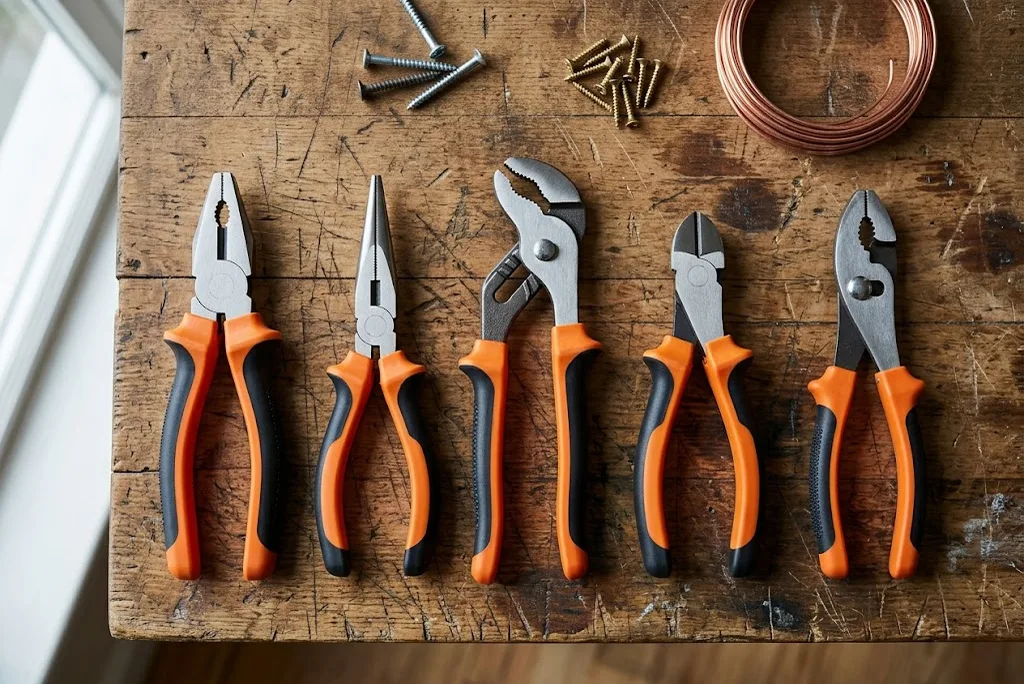 Hand Tools · Roundup5 Pliers Every Homeowner Should Own (and What Each One Does)Most homeowners need five pliers: lineman's pliers for cutting and gripping, long-nose pliers for tight spots, tongue-and-groove pliers for pipes and big nuts, diagonal cutters for wire, and slip-joint pliers for general grabbing.