
Fasteners & Hardware · Single tool · DIY
Screw Assortment Set: The Box That Saves You a Trip to the Store

Our verdict
Mr. Pen Wood Screws Assortment Kit, 152 pcs, Phillips Flat Head, 6 Sizes
7.7/10
Worth-owning score
Price tier Budget ($)
View on AmazonOur own score from specs, buyer reviews and tests. Not a customer rating. Photo from the Amazon listing.
Quick answer
A screw assortment set is a compartment box holding a mix of common screw sizes. It saves you a store run when a hinge, shelf or fence board needs fixing. Skip it if you only own a few screws and know the exact size your project needs; buy that size loose.
What is a screw assortment set?
A screw assortment set is a divided case holding a mix of screws in several lengths, sometimes with a driver bit or two. Some sets focus on one job, such as wood screws or drywall screws. Others mix several types. The point is the same: the right screw is already in your hand when you need it.
Small hardware is the part of a project people most often get wrong. A hinge sits crooked because the screw was too short. A shelf bracket pulls out of the wall because the wrong screw went into it. A good assortment will not fix bad technique, but it removes the excuse of "this is all I had."
Every screw has a few parts worth knowing. The head is the top, and its shape sets how it sits against the surface. The drive is the pattern in the head that your bit fits, such as Phillips (a cross) or Torx (a six-point star). The shank is the smooth or threaded body. The thread is the spiral ridge that bites into the material, and its spacing matters.
Why you'll want it
A screw set earns its place the first time a drawer front comes loose on a Sunday evening.
Fewer trips to the store. A fix that takes five minutes should not take an hour of driving. With a sorted box on the shelf, you grab the size and finish the job.
The right size for the job. Hardware stores sell screws by the handful, and the wrong size is easy to buy in a hurry. A set lets you test-fit a few lengths before you commit.
Everything stays sorted. Loose screws in a coffee can are a pile you dig through. Compartments keep each size separate and easy to find.
It is a good starter kit. If you are building a first collection of tools, a screw set pairs well with a drill and a screwdriver. See the new homeowner toolkit for what to add next.
| Pros | Cons |
|---|---|
| Six lengths in one box cover most hinge, drawer, shelf-bracket and furniture repairs. | Phillips drives slip out of the head more easily than Torx or square drives. Phillips drives are known for the bit slipping out under heavy turning force, called cam-out, and the Wikipedia cam-out article notes that Torx and Robertson drives resist it better. Press firmly and use a fresh bit. |
| A box with dividers keeps sizes sorted. The listing says a storage box is included. | The longest length is 2 inches, so it will not cover thick shelf brackets, framing or many fence jobs. |
| Phillips is the most common drive, so a standard bit fits and you can borrow one from any drill kit. | Finish and gauge details vary between versions of this kit, and the listing title does not name a bit. Read the full listing for the finish, and plan to buy a spare bit. |
| Low cost for the number of screws, which suits occasional repairs. | Indoor repairs are the safe use. Do not count on a general kit for exterior, deck or structural work. |
| A reviewer on one blog found the case itself somewhat flimsy. Treat the box as a starting point for sorting, not a toolbox. |
Where you will use one
- Hinges and cabinet doors: short screws that match the hardware.
- Shelves and brackets: longer screws for wall studs or anchors.
- Fence boards and gates: exterior screws for weather exposure.
- Furniture repairs: loose legs, drawer slides and frames.
- Hanging things: mirrors, hooks and curtain rods.
- Small projects: birdhouses, planter boxes and workshop shelves.
What it will not do
A general assortment is not a replacement for the correct fastener on a structural job. Deck ledgers, framing connections and anything that carries real load call for screws rated for that use, with the manufacturer's spacing and length. The mixed box is for repairs and light projects.
One bench test, by the woodworker behind woodgears.ca, shows why the type matters. He clamped screws in a vise and bent them sideways. Drywall screws snapped before reaching 90 degrees, most #8 wood screws snapped too, and deck screws bent much further. In hardwood, a drywall screw snapped near the head while being driven. The practical lesson is to match the screw to the job and not to stretch a general kit past light loads.
Picking a set that fits your work
If you mostly repair things around the house, choose a wood screw set with a range of lengths. If you hang drywall or patch walls, a coarse-thread drywall set suits you. If you build outdoors, look for deck or exterior screws with a corrosion-resistant coating. Many people end up with two small boxes rather than one huge one.
Who it's for
- Homeowners who fix hinges, shelves, fence boards and drawers
- Renters who hang things and tighten furniture
- New DIYers building a first tool kit
- Makers who need a mix of sizes at the bench
Who should skip it
- People who know their project size. Buy that exact screw loose; it is usually the better fit.
- Anyone doing structural work. Framing, decks and ledger boards call for specific structural screws, not a general mix.
- People who already own a sorted hardware drawer. You do not need a second one.
How to use it
These steps work for most small fixes in wood. Check the screw and the material before you start.
- Put on eye protection. Screws can snap and bits can slip. Safety glasses cost little.
- Measure what you are joining. Check the thickness of both pieces. The screw should go through the first and about two-thirds of the way into the second.
- Choose the screw. Pick a length from the box that meets that rule, and a gauge that fits the hardware holes.
- Match the bit to the head. The bit should fit snugly with no wobble. A loose bit strips the head.
- Mark the spot. Use a pencil so the screw goes where you want it, away from edges.
- Drill a pilot hole. Use a bit slightly narrower than the screw's core, not including the thread. This prevents splitting.
- Countersink if needed. For a flush finish, widen the top of the hole so the head sits level with the surface.
- Start the screw by hand. A few turns by hand keeps it straight before the drill takes over.
- Drive with steady pressure. Press firmly and keep the drill in line with the screw. Set the clutch low so you do not overdrive it.
- Check the fit. The head should sit snug and flush. If the screw spins without gripping, the hole is stripped; use a longer or thicker screw, or fill the hole with a wooden dowel and glue.
Handy tips
- Do a test. Try a screw in scrap material first, especially in hardwood.
- Use a clutch. Most drills have a torque setting. Start low and raise it only if needed.
- Wax or soap helps. A quick swipe of wax on the thread eases a stubborn screw into dense wood.
- Keep a few bits spare. Bits wear out, and a worn bit strips screws.
- Refill as you use. Note the sizes you run out of and restock those first.
Common mistakes
- Screws that are too short. They barely bite and pull out. Measure first.
- No pilot hole near an edge. Wood splits, and the repair becomes a bigger job.
- Using drywall screws for load. They are brittle and can snap under weight.
- Overdriving. Sinking a screw too deep strips the wood around it.
- Mixing the box. Put each size back in its compartment, or you lose the main benefit of owning one.
What to look for when buying
Not all assortments are equal, and the biggest number on the label is rarely the most useful.
Match the type to your work. Wood, drywall and deck screws are different tools. Buy the kind you use.
Lengths you will actually use. Several steps in length from short to long matter more than hundreds of one size.
Drive style. Torx and square drives hold the bit better than Phillips and strip less. If a kit uses Phillips, it still works, but buy a good bit and use firm pressure.
Finish. Coated or zinc screws resist rust. For exterior work, only buy screws listed for exterior use.
Case design. Latches that hold, dividers that stay put and labels that tell you what is inside.
Tier. A budget set covers occasional repairs. Mid-range sets add better coatings and more reliable bits. Pro sets are built for daily use. For a household, budget to mid is plenty.
Reading a screw label
Screws are described by three things: gauge, length and thread. A label such as "#8 x 1-1/2 inch" means a gauge 8 screw that is one and a half inches long. Gauge 6 and 8 cover most household repairs, with 10 for heavier work like fence frames. If the label also says "coarse," the thread is widely spaced and bites quickly into soft material like pine and drywall studs.
Three kits that suit three households
- The apartment fixer: a small wood screw set in short lengths for hinges, drawer slides and furniture, plus a few wall anchors for hanging things.
- The weekend builder: a mixed wood and deck set with longer screws, a Torx bit and a countersink bit for shelves, planters and fences.
- The wall patcher: a coarse-thread drywall set for hanging and repairing drywall, kept separate from the wood screws so the two never get mixed.
When to buy loose instead
An assortment is a convenience, not a bargain on every size. If you are building a whole deck or a fence, buy the exact screw by the box. You will use hundreds of one size, and a mixed set will run out of it quickly. The deck calculator and fence calculator help you size a job before you buy. Keep the assortment for the small jobs.
The table below sums up the key specs so you can compare sets side by side.
Key specs to look for
| Spec | What to look for |
|---|---|
| Piece count | More pieces is not always better. Look for several lengths in the sizes you use, not hundreds of one size. |
| Screw type | Wood screws, drywall screws and deck screws are different jobs. Pick a kit that matches the work you do most. |
| Drive style | Torx and square drives grip better and strip less than Phillips. Check the drive named in the listing and buy a matching bit. |
| Finish | Zinc or coated screws resist rust indoors. For outdoor work, look for screws labeled for exterior or deck use. |
| Thread | Coarse thread bites wood and drywall studs. Fine thread suits metal studs and hardwood. |
| Length range | A useful range covers short screws for hinges up to longer ones for shelves. Check whether the longest length is enough for your jobs. |
| Case quality | Latches that stay shut and dividers that keep screws from mixing when the box is carried. |
| Labeling | Size labels on each compartment or a printed chart, so you can restock the right size. |
Where to get it
We picked the Mr. Pen Wood Screws Assortment Kit, 152 pieces, a budget wood-screw box. According to the listing title, it holds silver Phillips flat head screws in six lengths (1/2, 3/4, 1, 1-1/4, 1-1/2 and 2 inches) and comes with a storage box. The same maker sells other versions of the kit in different colors and counts, and listings for those describe galvanized iron screws, so check the finish line on the version you buy.
We found no independent lab test of this kit. What we could confirm is the listing, the maker's description, retailer ratings for related versions of the kit that are high but rest on small review counts, and one blog review that liked the value and found the case a little flimsy. For indoor repairs, that is a reasonable fit. It is not an exterior or structural kit.

Mr. Pen Wood Screws Assortment Kit, 152 pcs, Phillips Flat Head, 6 Sizes
- 152 wood screws in six lengths, from 1/2 inch up to 2 inches, according to the listing
- A storage box is included, so sizes stay sorted and easy to refill
- Phillips flat head, the most common drive, so a standard bit fits (buy a spare bit, since none is named in the listing title)
How we scored it
Usefulness 8/10 · Value 9/10 · Durability 6/10. This is our own opinion, based on specs, buyer reviews and independent tests. It is not an Amazon or customer rating.
Read the current buyer reviews on Amazon for screw quality and case feel. Whatever set you choose, add a pack of spare driver bits at the same time, since a worn bit is the usual reason a screw strips.
Watch and read more
Video reviews
- Phillips vs Robertson vs Torx - What Is ACTUALLY the Best Driver Bit? — Tool Test Raw
A side-by-side look at the three common drive styles, relevant to why we flag Phillips as the weak point of this kit. - Torx vs. Phillips Screws: The REAL Winner REVEALED! — Wood Club
Compares Torx and Phillips screws, helpful if you are deciding between a Phillips kit and a Torx kit. - Phillips, Torx, Square… Why So Many Screw Heads? — The Fixit Shed
An explainer on why there are so many screw head styles and which job each suits.
Free calculators FigureMyHome
- Deck Calculator — Planning a deck? Work out the materials before you buy fasteners by the box.
- Fence Calculator — Planning a fence? Size the job first, then buy exterior screws by the box.
Frequently asked questions
What is the difference between a wood screw and a drywall screw?
Wood screws are thicker with a smooth shank part way up and are made to hold wood joints. Drywall screws are thinner, harder and more brittle, made for fastening drywall to studs. In one bench test, drywall screws snapped when bent in a vise, and most #8 wood screws did too, while deck screws bent much further.
Do I need to drill a pilot hole?
Often yes. A small pilot hole keeps wood from splitting, especially near the end of a board or in hardwood. In softwood far from an edge you can often skip it.
What do the numbers like #8 mean?
The number is the screw gauge, which is its thickness. A higher number means a thicker screw. Length is given separately, in inches.
Can I use drywall screws for outdoor projects?
No. Standard drywall screws rust and snap. Use screws labeled for exterior or deck use, with a coating made to resist weather.
How do I stop a screw from stripping?
Match the bit to the screw head, press firmly while turning, and keep the drill straight. Torx and square drive screws strip far less than Phillips, which is known for the bit slipping out (cam-out) under heavy turning force.
How long should a screw be?
A common rule is that the screw should go through the first piece and about two-thirds of the way into the second. Measure the thickness of both pieces before you choose.
Sources
Related tools
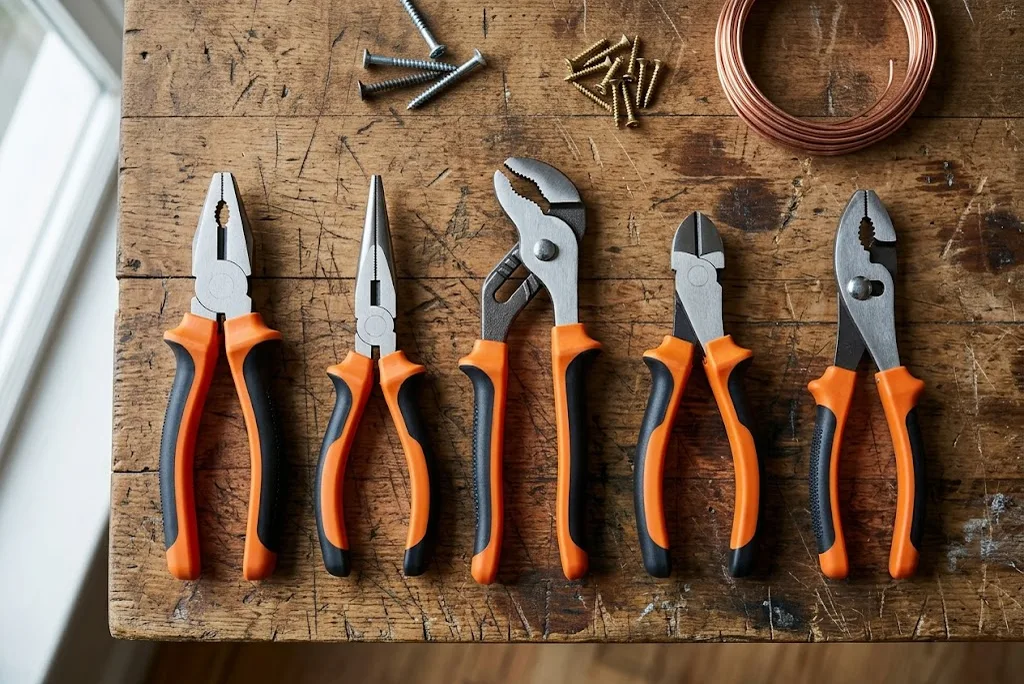 Hand Tools · Roundup5 Pliers Every Homeowner Should Own (and What Each One Does)Most homeowners need five pliers: lineman's pliers for cutting and gripping, long-nose pliers for tight spots, tongue-and-groove pliers for pipes and big nuts, diagonal cutters for wire, and slip-joint pliers for general grabbing.
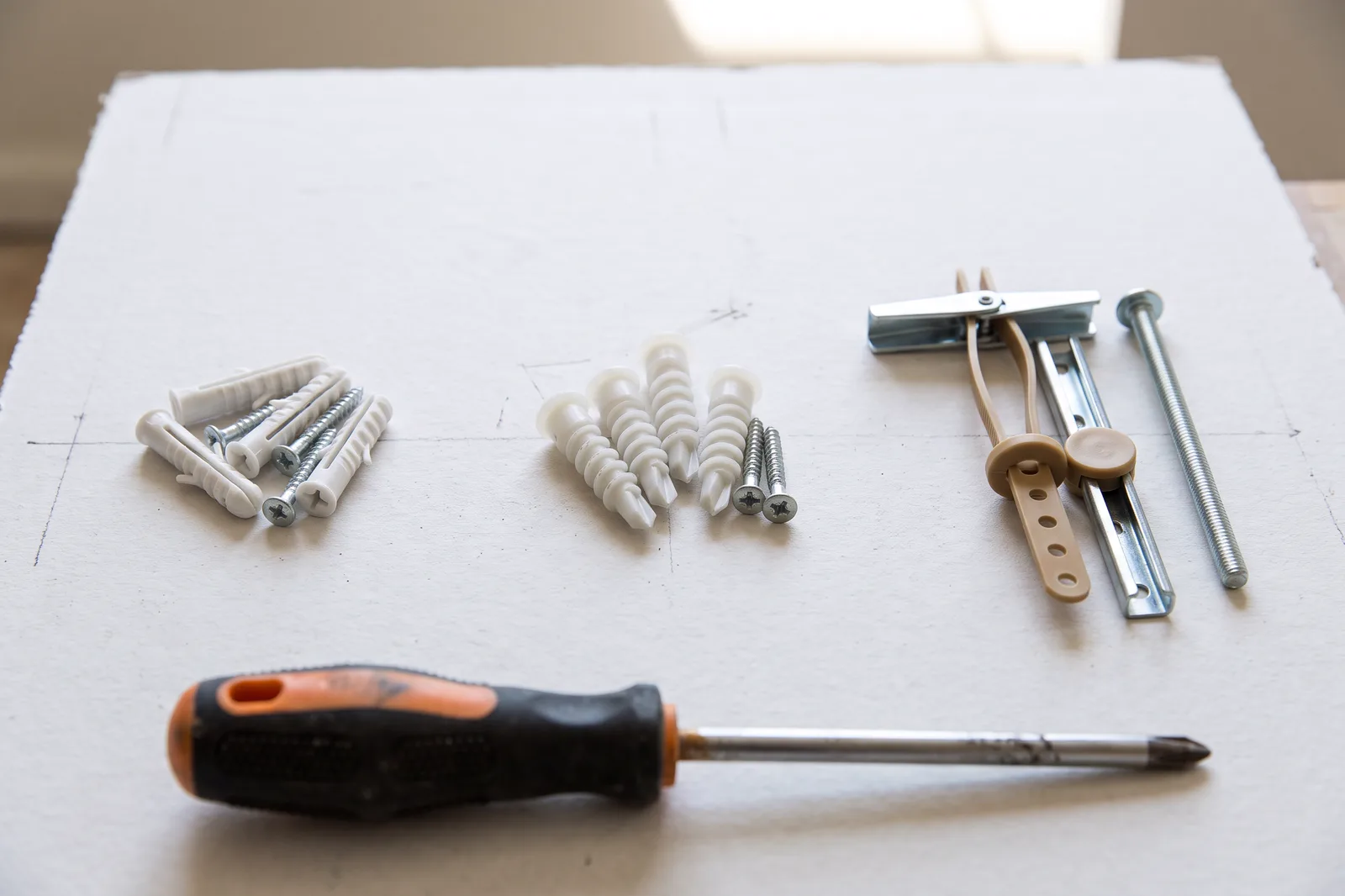 Fasteners & Hardware · RoundupWall Anchors: How to Pick the Right One for DrywallFor light things like frames and towel hooks, a plastic or twist-in anchor is enough.
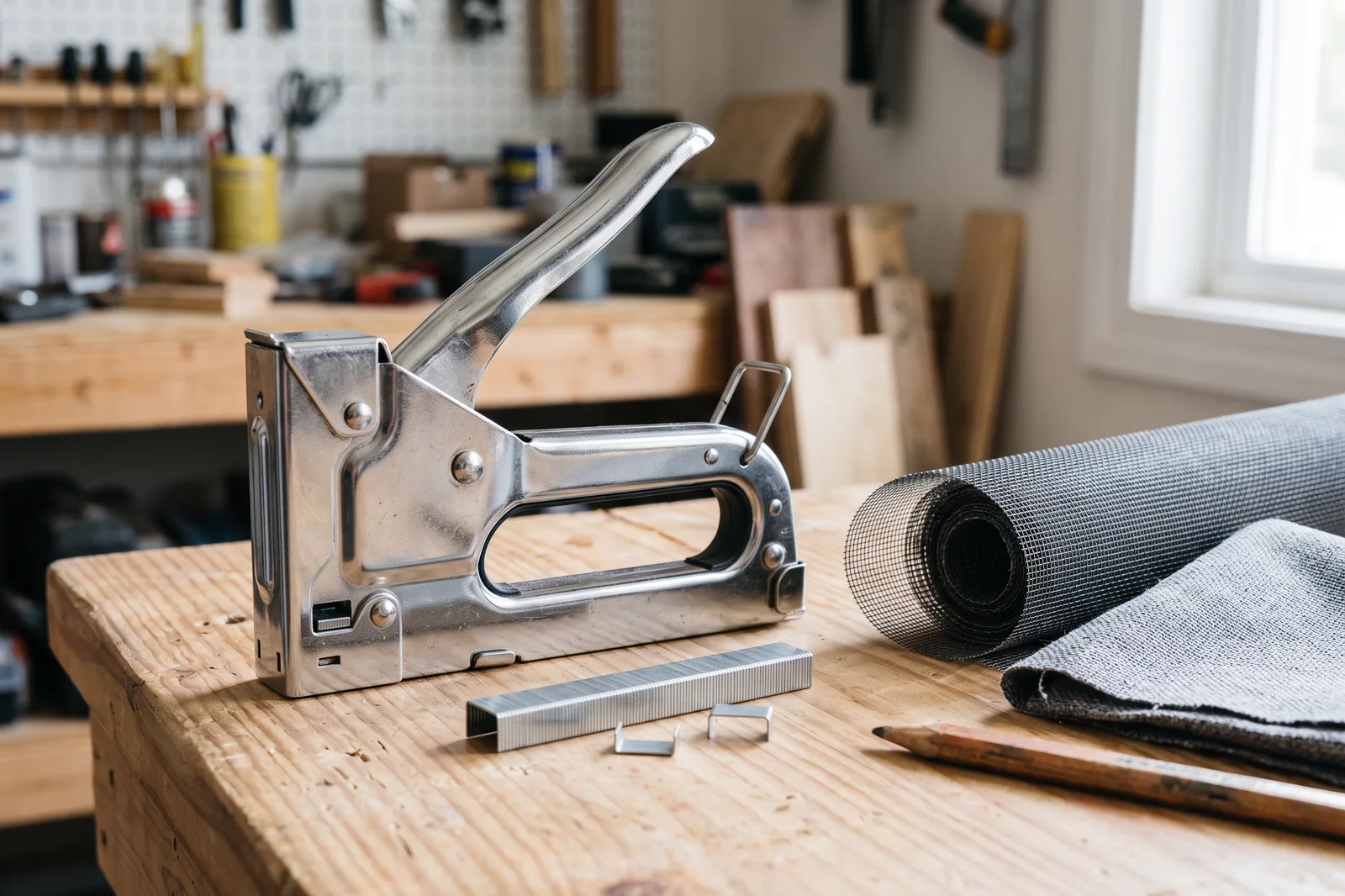 Fasteners & HardwareHeavy-Duty Staple Gun: The Quick Way to Fasten Fabric, Screen and WrapA heavy-duty staple gun drives wide, strong staples into wood in one squeeze, which makes it the fast way to fasten fabric, screen, house wrap and insulation.