
Fasteners & Hardware · Single tool · DIY · Maker
Heavy-Duty Staple Gun: The Quick Way to Fasten Fabric, Screen and Wrap

Our verdict
Arrow T50 Heavy-Duty Staple Gun
8.3/10
Worth-owning score
Price tier Budget ($)
View on AmazonOur own score from specs, buyer reviews and tests. Not a customer rating. Photo from the Amazon listing.
Quick answer
A heavy-duty staple gun drives wide, strong staples into wood in one squeeze, which makes it the fast way to fasten fabric, screen, house wrap and insulation. For most homeowners a manual gun that takes T50 staples is the right first one. Skip it if you staple all day or have weak hands; an electric model is easier.
What is a heavy-duty staple gun?
A heavy-duty staple gun is a hand tool that drives a staple, a U-shaped piece of wire with two legs, into wood in one squeeze. A spring-loaded hammer inside the gun slams the staple home. You load a strip of staples into the magazine, press the nose against the work and squeeze the handle.
It is called heavy duty because it takes T50 staples. These are wider and stronger than the small office-stapler type, and they hold fabric, screen and plastic without tearing through. Staple length changes with the job: short ones for thin screen, longer ones for thick material and wrap.
Three ways to power one
| Type | How it works | Best for |
|---|---|---|
| Manual | Your hand does the squeezing | Light to moderate jobs, no cord or battery |
| Electric (corded or battery) | A motor drives the staple | Lots of staples, or weak hands |
| Pneumatic (air) | A compressor and hose drive it | Big, repeated jobs and workshops |
This Old House notes that manual guns are enough for most household projects, while electric and air-powered guns add faster firing. Staples also come in different types (D, U and T), and a gun usually takes only one type, so match the staples to the gun before you buy.
Why you'll want one
Speed on thin material. Fabric, window screen, house wrap, plastic sheeting and insulation all go up in a fraction of the time it takes with tacks and a hammer.
One hand does the work. You hold the material tight with one hand and squeeze with the other. A hammer needs both hands and a lot of care.
A wide, flat hold. The crown of a staple spreads over the material instead of poking one tiny hole, so thin fabric and screen do not tear through as easily as with a tack.
Many jobs, one tool. Upholstery, picture backing, framing canvas, repairing a screen door, tacking up insulation or craft paper, and holding landscape fabric to a frame all use the same gun.
Easy to store. It is small, light and fits in a drawer. You need it often enough to want one nearby, but not so often that you need a big air-powered tool.
What buyers and testers say
For the Arrow T50, the gun we feature, written reviews and tests show the same few patterns:
- Praised: it feels sturdy and well built, it drives staples fully into soft wood and plywood, and buyers like that it is simple, with no cord or battery. Maker listings call it jam-resistant, with a staple-viewing window that shows when to reload.
- Common complaints: it needs a strong hand. Several buyers, including some with arthritis, say the squeeze is hard on the hand, and that the metal handle can feel slippery at some angles. A few report jams, often traced to the wrong staple size.
- Hardwood limits: in Project Farm's test, the manual Arrow gun drove staples into spruce and nearly drove a half-inch staple into oak, but it could not fully drive staples into drywall corner bead or composite decking. That is normal for a hand-powered gun.

Who it's for
- Upholstery and craft projects: chairs, headboards, cushions and framed canvas
- Homeowners fixing screens, stapling house wrap, plastic sheeting and insulation
- Garage and workshop use: tacking up fabric, felt, paper and thin panels
- Anyone who needs a one-handed fastener that holds thin material to wood
Who should skip it
- Heavy staplers and arthritis sufferers. Many buyers say a manual gun takes real hand strength; an electric model is much easier.
- Hardwood, drywall corner bead or composite decking. Testers found manual guns cannot drive staples into very hard materials; use screws or a nailer.
- Electrical cable. T50 staples can cut the cable jacket. Use insulated cable staples made for wire.
How to use it
Read your gun's manual first; loading differs a little between models. This is the routine most guides teach.
- Wear safety glasses. Staples can bounce off knots or hidden metal and fly back. Work gloves help too.
- Pick the right staple. Choose a size made for your gun and long enough to pass through the material and bite into the wood behind it. Thin screen takes short staples; thicker wrap takes longer ones.
- Open the magazine. On a rear-load gun like the Arrow T50, press the pusher down and in, then slide it out. Check the maker's instructions for your gun.
- Load a strip. Lay a fresh strip of staples on the guide rail with the legs pointing toward the nose, slide the pusher back in, and tilt the gun so the staples slide to the front.
- Check the window. A clear window along the front tells you how many staples are left, so you reload before you run dry in the middle of a seam.
- Stretch the material tight. Pull fabric or screen straight, with no ripples, before the first staple. Start in the middle of one side, then work out toward the corners.
- Press the nose flat. Hold the nose square against the work, never at a slant, or the staple can go in crooked and jam.
- Squeeze firmly and fully. Squeeze the handle all the way down in one smooth motion. Half a squeeze leaves a staple standing proud.
- Space the staples. For fabric or screen, a staple every inch or two keeps the edge from lifting. For house wrap, follow the product's directions.
- Test on a scrap. If staples stick out, switch to a shorter staple or press harder. If they cut through the material, press more gently or add a thin strip of cardboard under the staple.
- Clear jams safely. Keep your hand off the handle, open the magazine, and pull the bent staple out with pliers. Never reach into the nose.
- Finish and store. Remove staples from the magazine if you will not use the tool for a while, and wipe off dust, paint and debris.
Common mistakes
- Using the wrong staples. Staples that look right but are slightly off in size are a leading cause of jams and half-driven staples.
- Stapling electrical cable. T50 staples can cut the cable jacket. Use insulated cable staples made for wire.
- Pointing it at people or your own feet. Adam Savage's safety primer says to treat every stapler as loaded and to keep your free hand out of the line of fire. Staples can pass through thin stock.
- Expecting it to drive into hard material. Oak, corner bead and composite decking need a screw gun or a heavier nailer.

What to look for when buying
Power source first. Decide how much stapling you really do. A manual gun is fine for a few jobs a year. If you have hundreds of staples to drive, or weak hands, step up to an electric one.
The right staple size. For the gun we feature, T50 staples in 1/4, 5/16, 3/8, 1/2 and 9/16 inch lengths fit, according to the listing. The gun usually ships without staples, so buy a box in the lengths you need.
Build and leverage. An all-steel body and a long handle give you more power per squeeze than a plastic one. The Arrow listing says the steel parts are hardened and the body is chromed steel.
Easy loading and jam clearing. A rear-load magazine with a window is quick. Look for a design where you can clear a jam in seconds without a toolbox.
Comfort. A handle that does not slip and does not dig into your palm matters more than it looks, especially if you staple for more than a few minutes.
Adjustable power on harder jobs. Some guns have a knob to dial the strike up or down. It helps with hard wood or delicate fabric, but most basic manual guns do not have one.
Narrow nose for edges. A slim nose reaches into corners and sits close to an edge, handy for upholstery and screen frames.
Pros and cons of a manual T50 gun
| Pros | Cons |
|---|---|
| Simple, with no cord, battery or compressor | Takes real hand strength; tiring over long jobs |
| Sturdy chrome-steel build for the money, per the listing | Cannot drive staples into very hard material |
| Drives T50 staples cleanly into soft wood and plywood | Staples are sold separately and the size must match |
| Easy to store and carry | Handle can feel slippery at awkward angles |
Key specs to look for
| Spec | What to look for |
|---|---|
| Power source | Manual guns run on hand strength and suit light to moderate jobs. Electric (corded or battery) and air-powered guns do the squeezing for you and suit big or repeated jobs. |
| Staple type and size | T50 is the common heavy-duty staple. Check which lengths the gun takes (the one we feature fits 1/4 to 9/16 inch) and that the staples are sold separately. |
| Staple fit | Buy staples made for your gun. Staples that are slightly the wrong size are a leading cause of jams. |
| Handle and leverage | A long steel handle gives more driving power per squeeze. A comfortable, non-slip grip matters if you staple for more than a few minutes. |
| Loading style | A rear-load magazine with a clear window shows when to refill. Loading should take seconds and need no tools. |
| Jam clearing | A latch or one easy-to-reach screw lets you pull a bent staple fast. Some guns need a small screwdriver. |
| Power adjustment | A tension or power knob helps you drive deeper into hard wood or ease off on soft material. Most basic manual guns do not have one. |
| Body and nose | A narrow nose gets into corners and close to edges. An all-metal body lasts longer than plastic. |
Where to get it
For this guide we feature the Arrow T50 heavy-duty manual staple gun. According to the listing it has a chromed-steel body, a high-leverage handle, a rear-load magazine with a jam-resistant mechanism and a staple-viewing window, and it fits T50 staples from 1/4 to 9/16 inch. Buyers praise how sturdy it is and how simple it is to use; the common complaint is hand fatigue on long jobs. It sits in our budget tier.

Arrow T50 Heavy-Duty Staple Gun
- Chromed-steel body with a high-leverage handle, per the listing
- Rear-load magazine with a jam-resistant mechanism and a staple-viewing window
- Takes Arrow T50 staples from 1/4 to 9/16 inch, sold separately
How we scored it
Usefulness 8/10 · Value 9/10 · Durability 8/10. This is our own opinion, based on specs, buyer reviews and independent tests. It is not an Amazon or customer rating.
Remember to buy a box of T50 staples in the lengths you need, since they are sold separately. If you plan on stapling a lot, look at an electric gun instead. Use our Square Footage Calculator to work out how much fabric, screen or wrap to buy, and see our guide to a screw assortment set for the jobs where a staple is too weak.
Watch and read more
Video reviews
- Cheap vs Pro Staplers! Which Ones Actually Sink Staples? — Project Farm
Tests cheap and pro staplers for speed, jam resistance and driving power into oak, drywall corner bead and composite decking; the manual Arrow gun does fine on soft wood but cannot drive staples into very hard material. - Adam Savage's Guide to Staplers and Nail Guns! — Adam Savage's Tested
A primer on narrow crown, wide crown and brad guns that stresses safety: keep your other hand out of the line of fire and treat every stapler as loaded.
PROSWho uses it
- Project Farm — Tested manual, corded and cordless staplers that use T50 staples, including a manual Arrow gun.
Free calculators FigureMyHome
- Square Footage Calculator — Work out how much fabric, house wrap or screen to buy before you start stapling.
Frequently asked questions
What is the difference between a staple gun and a nail gun?
A staple gun drives a U-shaped staple with two legs, which grips fabric, screen and thin material across a wider area. A nail gun drives a single nail and is better for joining wood to wood.
What staples do I need for an Arrow T50 staple gun?
The gun we feature is made for Arrow T50 staples in 1/4, 5/16, 3/8, 1/2 or 9/16 inch lengths, per the listing. Staples are sold separately, so check the box says T50 and that the length suits your material.
How long should my staples be?
Use a staple long enough to pass through the material and bite into the wood behind it. For thin screen or fabric, a 1/4 or 5/16 inch staple is plenty. For thicker insulation or house wrap, step up to 3/8 or 1/2 inch.
Why does my staple gun keep jamming?
The most common cause is the wrong staple size or a mixed strip that is slightly bent. Try a fresh strip made for your gun, make sure it is fully seated in the magazine, and press the nose flat before you squeeze.
Should a beginner buy a manual or an electric staple gun?
A manual gun is cheaper, needs no cord or battery and is fine for light to moderate jobs. An electric gun is better if you have many staples to drive or have hand weakness.
Can I use a staple gun on drywall?
Not for structural fastening. Testers found manual guns struggle to drive staples through drywall corner bead. Use screws for drywall and keep the staple gun for fabric, wrap and thin material on wood.
Is a staple gun safe to use?
Yes, with care. Wear safety glasses, keep your free hand out of the line of fire, point the gun away from people and your feet, and never defeat the safety. A staple can pass right through thin material.
Sources
Related tools
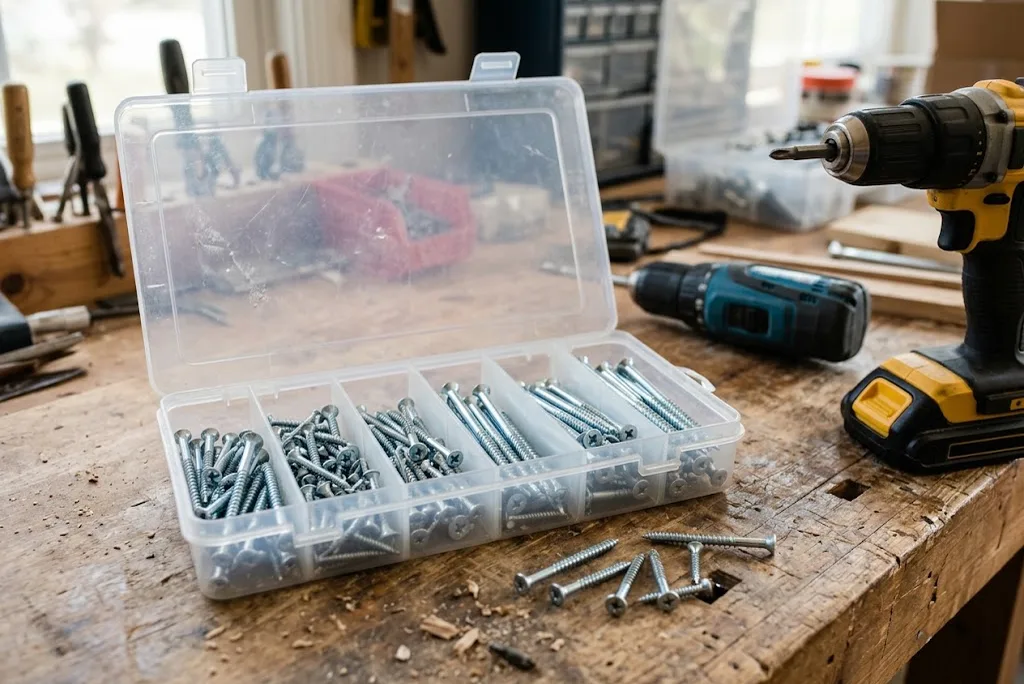 Fasteners & HardwareScrew Assortment Set: The Box That Saves You a Trip to the StoreA screw assortment set is a compartment box holding a mix of common screw sizes.
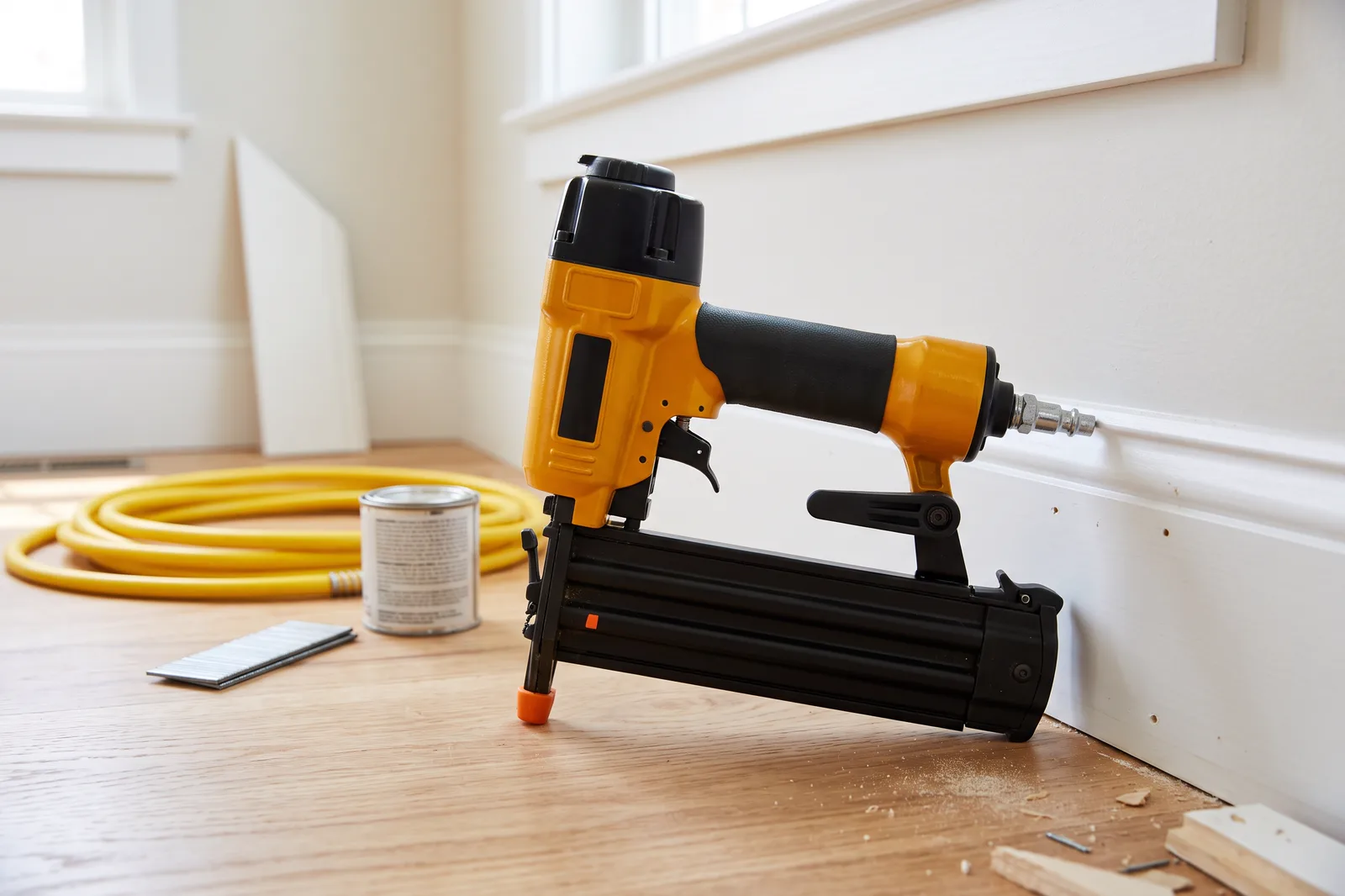 Power ToolsPneumatic Nail Gun: The Fast Way to Hang Trim Without a HammerA pneumatic nail gun uses compressed air from a compressor to drive a nail in a fraction of a second.
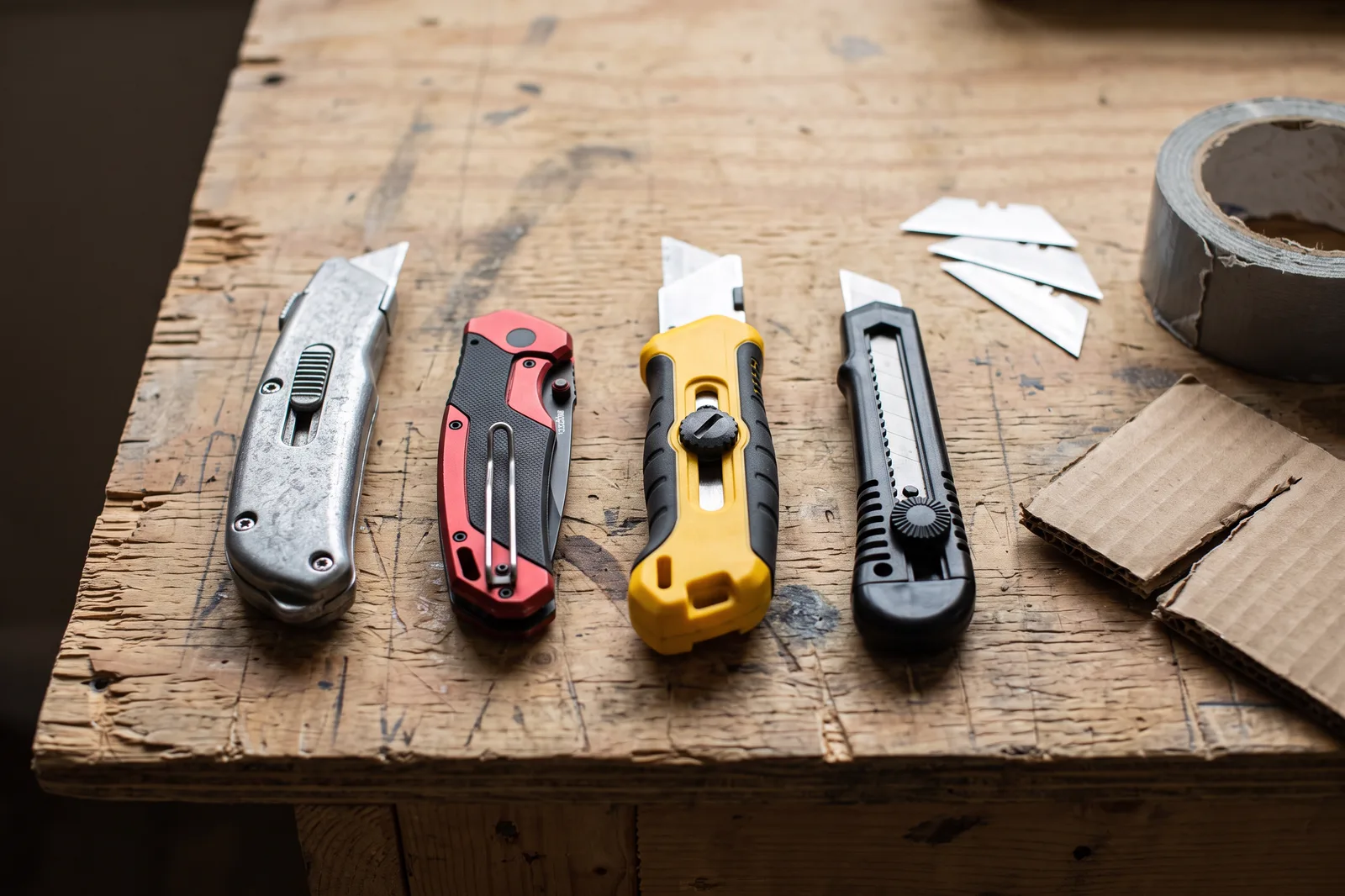 Hand ToolsBest Utility Knife for DIY and Jobsite UseFor most homes and job sites, the Stanley Classic 99 is the safest all-round pick: simple, tough and held up in independent drop tests.