
Hand Tools · Roundup · DIY
Screwdriver Sets: Which Ones to Own for Home Repairs
 Klein Tools 85078 Screwdriver Set, 8-Piece Cushion-Grip
 Wera Kraftform Plus 335/350/355/6 Screwdriver Set with Lasertip and Rack, 6-Piece
 Klein Tools 32500 11-in-1 Screwdriver/Nut Driver Set
 iFixit Mako Driver Kit, 64 Precision Bit Set for Electronics Repair
Photos from the Amazon listings. Scores are our own, not customer ratings.
Quick answer
Most homeowners are best served by one solid full-size Phillips and flat-head set, plus a precision kit for electronics. We picked the Klein 85078 as the everyday set, the Wera Kraftform 6-piece for people who want premium grip and tips, the Klein 32500 11-in-1 as a pocket multi-tool and the iFixit Mako kit for small screws.
What are the screwdriver sets worth owning?
A screwdriver turns a screw by fitting into the head. That sounds simple, but screws come with many different head shapes and sizes, and a driver that is the wrong fit slips and chews the screw. A good set gives you the common ones in one place.
Most homes need four kinds of screwdriver sets:
- A full-size everyday set: Phillips and slotted drivers in several sizes. This is the one you reach for most.
- A premium set: the same job, with better tips, handles and fit. Worth it if you drive many screws.
- A multi-bit driver: one handle with swappable tips, including Torx, square and nut drivers.
- A precision kit: tiny drivers and bits for glasses, phones, laptops and small appliances.
We picked one of each: the Klein 85078 for everyday use, the Wera Kraftform 6-piece for a premium option, the Klein 32500 11-in-1 for a multi-bit option and the iFixit Mako kit for small screws. We chose them from the makers' specs, buyer feedback on retail listings and the written reviews we could find. We found few independent bench tests for these exact sets, so we say so where that applies.
If you are also stocking screws, our screw assortment guide shows what to keep on hand. For gripping and cutting, see our pliers basics article.
How to tell the common screw heads apart
- Phillips: a plain cross. The most common head in homes, found on cabinets, outlet plates and furniture.
- Pozidriv: looks like Phillips but has extra tiny tick marks between the arms of the cross. It needs a matching Pozidriv driver, which is why the Wera set includes both.
- Slotted (flat): a single straight slot. Common on older switches, outlet covers and some hinges.
- Torx: a six-pointed star. Found on appliances, cars and some outdoor fixtures.
- Square (Robertson): a square socket. Common in decking and construction screws in some regions.
- Security and pentalobe: tamper-resistant heads on electronics, which is why a precision kit has so many bits.
If you are unsure, hold a driver against the head. The right one sits flush with almost no wobble. A driver that rocks is the wrong one, and turning it will strip the head.

Why you'll want them
A drill cannot reach everywhere. Light fixtures, outlet covers, hinges, cabinet pulls and appliance panels all need a hand driver. It is also what you want for the last half-turn, so you do not strip the screw.
The right fit protects the screw. The most common mistake with screws is a driver that is too small or worn. It slips out under force, and the head rounds off. A proper set means you can pick the size that fits.
Different jobs call for different tips. Phillips and slotted are everywhere, but appliances, cars and furniture also use Torx and square heads. A good set or a multi-bit driver covers them without a tool-chest full of one-offs.
Small screws need small tools. Electronics repair needs tiny drivers. A full-size driver will not fit, and forcing the wrong tool breaks things. A precision kit solves that for a small outlay.
Handles matter. After an afternoon of assembly, a comfortable grip makes the difference between a pleasant job and sore hands. Buyers of the Klein sets consistently mention the cushioned handles.
Hand drivers give you feel. With a drill you can strip a screw or snap a head in a second. A hand driver tells you through your wrist when the screw is seating, so you can stop at snug. That is why even people with a full cordless kit keep a good set of hand drivers close for hinges, trim hardware, electrical plates and anything made of soft wood or thin metal.
Who it's for
- First-time homeowners who need drivers for cabinets, hinges, outlets and furniture
- DIYers who repair appliances, assemble flat-pack furniture and swap light fixtures
- Anyone who also repairs small electronics and needs tiny, specialized bits
Who should skip it
- People who use a drill for every screw. A drill with a bit set is faster, though you still need hand drivers for finishing and tight spots.
- Heavy mechanics who need long, hammer-through shafts. These sets are for light to medium household work.
- Anyone who needs a screwdriver rated for live electrical work. Insulated drivers are a separate product. Check the listing for a voltage rating.
How to use them
Good technique matters more than the brand of driver. These steps apply to any set.
- Match the tip to the screw. Check the head shape, then pick the driver that fills the recess completely. A Phillips #2 is the most common size.
- Push in before you turn. Press the driver firmly into the head so it seats fully. Most slipping happens when the tip is only partly in.
- Keep the driver straight. Line the shaft up with the screw. Tilting the driver lifts the tip out of the head.
- Turn with steady pressure. Use smooth force, pushing in more than you turn. Jerky turns cam out.
- Start with a pilot hole. In hardwood, drill a small hole first so the screw goes in without extra force.
- Use a stubby driver in tight spots. A short driver fits under cabinets and inside panels. The Klein 85078 includes a stubby Phillips #2.
- Hold small screws with a magnet or tape. A magnetic tip or a bit of tape holds a screw in place for starting.
- Back out stripped screws with care. Press hard and turn slowly, or use a wider driver. Do not force a slipping driver.
- Finish by hand. Even if you started with a drill, the last turns with a hand driver stop you from over-tightening.
- Store the tips clean and dry. Wipe them and put them back in the rack so you can find the right size next time.
Common mistakes
- Using the wrong size. A Phillips #1 in a #2 screw will strip it. Try the driver in the head before you turn.
- Using Phillips in a Pozidriv screw, or the reverse. They are close but not the same, and the wrong one damages the head.
- Prying with a screwdriver. Tips chip and shafts bend. Use a pry bar instead.

What to look for when buying
Tip shapes and sizes. Phillips #1, #2 and #3 and a few slotted widths cover most households. Check whether you also need Pozidriv, Torx or square.
Tip quality. Precisely machined tips fit the head and resist cam-out. Klein lists precision-machined tips on the 85078, and Wera says its Lasertip is laser-roughened to bite into the screw head. These are the makers' claims, but both reflect what buyers prize: a tip that stays seated.
Handle comfort. Cushion grips and shaped handles reduce hand fatigue. Wera's handle has hard and soft zones and a hexagonal shape that stops it rolling, according to the maker.
Blade strength. Look for heat-treated steel and a corrosion-resistant finish. Klein's 85078 lists double-flange blades that anchor inside the handle to resist twisting.
Made in. Klein states the 85078 is made in the USA. Wera is a German brand. Where it matters to you, check the listing for the exact product.
Storage. A rack or case keeps sizes together and makes the right driver easy to find.
Owner reports. Read recent reviews for the exact set, especially for multi-bit tools where bit retention and replacement costs are common comments.
Key specs to look for
| Spec | What to look for |
|---|---|
| Tip types | Phillips (cross) and slotted (flat) cover most homes. Pozidriv looks similar to Phillips but is not interchangeable. Torx, square and security tips appear on appliances, cars and electronics. |
| Tip sizes | A Phillips #2 is the most-used size in the house. Add #1 and #3 for small and large screws, and several flat-head widths. |
| Handle design | Cushion or soft-touch grips give more torque and comfort. A hexagonal or flatted handle stops the driver rolling off a bench. |
| Tip quality | Precisely machined tips fit the screw head and resist cam-out, which is when the driver slips out and chews the head. Some makers roughen or coat the tip for extra grip. |
| Blade steel and finish | Heat-treated, plated blades resist wear and rust. Klein lists chrome-plated, heat-treated blades and Wera lists chrome molybdenum steel blades. |
| Storage | A rack, roll or case keeps the set together. Wera's set includes a rack, Klein's 85078 includes a reusable plastic container and the Mako comes in a case with a sorting tray. |
| Magnetic tips | A magnetic tip holds screws in hard-to-reach places. Check the listing for the exact product, since some versions are magnetic and others are not. |
Where to get them
All four are sold on Amazon. We rate the Klein 85078, the Klein 32500 and the Mako as mid tier, and the Wera set as pro tier. Check the title names the exact set number, since makers sell several similar sets with different pieces.
Everyday set: Klein 85078
The Klein Tools 85078 is an 8-piece set with four Phillips drivers (#1, #2, #3 and a stubby #2), two keystone-tip and two cabinet-tip slotted drivers. Klein lists cushion-grip handles for torque and comfort, double-flange blades that anchor in the handle, precision-machined tips to reduce cam-out and Tip-Ident domed markings so you can read the tip type at a glance. The blades are heat-treated and chrome-plated, and the set is made in the USA. It includes a reusable plastic container.
We found no independent bench test of the 85078, so this is based on the listing and buyer feedback. Buyers describe the heft, the non-slip rubber grips and well-ground tips, and a retired electrician said his older Klein screwdrivers are still in good shape years later. The most common comments about the set are about price compared with other brands and, in one case, packaging on delivery rather than the tools.
| Pros | Cons |
|---|---|
| Covers the most common Phillips and slotted sizes, including a stubby. | No Torx, square or Pozidriv tips. |
| Comfortable cushion-grip handles. | Costs more than basic store-brand sets. |
| Made in the USA with heat-treated, plated blades. | We found no independent bench test. |
| Domed markings help you pick the right tip fast. |

Klein Tools 85078 Screwdriver Set, 8-Piece Cushion-Grip
- Four Phillips and four flat-head drivers cover most household screws, per the listing
- Double-flange blades and cushion-grip handles built for torque and comfort, per the maker
- Made in the USA, with heat-treated, chrome-plated blades
How we scored it
Usefulness 9/10 · Value 8/10 · Durability 9/10. This is our own opinion, based on specs, buyer reviews and independent tests. It is not an Amazon or customer rating.

Wera Kraftform Plus 335/350/355/6 Screwdriver Set with Lasertip and Rack, 6-Piece
- Laser-roughened tips that bite into the screw head to resist cam-out, per the maker
- Hexagonal anti-roll handles with hard and soft zones, and a color-coded rack
- Covers Phillips, Pozidriv and slotted heads in common sizes
How we scored it
Usefulness 8/10 · Value 7/10 · Durability 9/10. This is our own opinion, based on specs, buyer reviews and independent tests. It is not an Amazon or customer rating.

Klein Tools 32500 11-in-1 Screwdriver/Nut Driver Set
- Eight bits (Phillips, slotted, Torx and square) and three nut driver sizes in one handle
- Cushion-grip handle and a compact size for a tool bag or drawer
- Buyers praise it as a go-to driver that replaces several tools
How we scored it
Usefulness 8/10 · Value 8/10 · Durability 8/10. This is our own opinion, based on specs, buyer reviews and independent tests. It is not an Amazon or customer rating.

iFixit Mako Driver Kit, 64 Precision Bit Set for Electronics Repair
- 64 precision bits covering Torx, security Torx, pentalobe, JIS and hex, per the listing
- Aluminum handle and a case that doubles as a sorting tray
- Made for phones, laptops, game consoles and glasses
How we scored it
Usefulness 8/10 · Value 7/10 · Durability 8/10. This is our own opinion, based on specs, buyer reviews and independent tests. It is not an Amazon or customer rating.
Premium set: Wera Kraftform Plus 6-piece
The Wera 05105622001 set has six drivers: two Phillips (PH1 and PH2), two Pozidriv (PZ1 and PZ2) and two slotted (0.8 x 4 mm and 1 x 5.5 mm), in a rack, according to retailer listings. Wera's Lasertip tips are roughened with a laser to bite into the screw head. The handles are hexagonal, to stop rolling, with hard zones for speed and soft zones for torque, and the rack is color-coded by profile and size.
We did not find an independent review of this exact set. The pros here come from the maker's claims. The likely drawbacks are things you can see in the listing: only two slotted sizes and no Torx. Because Wera also sells similar sets with different pieces, such as a four-piece set with long blades, check the article number.
| Pros | Cons |
|---|---|
| Laser-roughened tips designed to resist cam-out. | Only two slotted sizes and no Torx or square. |
| Phillips, Pozidriv and slotted covered in one rack. | Premium set from a German brand, so it costs more than the everyday option. |
| Hexagonal handles stay put on a bench. | No independent review found for this exact set. |
| Color-coded rack makes picking the right driver easy. |
Multi-bit driver: Klein 32500 11-in-1
The Klein Tools 32500 puts eight bits (Phillips, slotted, Torx and square) and three nut driver sizes in one cushion-grip handle. Listings vary on the exact bit mix, so check the product page. Buyers describe it as a go-to driver that replaces several tools; one reviewer on Lowe's reports years of reliable use despite heavy drops, and an HVAC technician called it a favorite. Complaints are that some people find it pricey, a few have trouble removing the shaft, bit retention is a concern for some and replacement bits are expensive. It has no ratchet, which limits speed for repetitive driving, and the grip is less comfortable when wet.
| Pros | Cons |
|---|---|
| Many tip types in one handle. | No ratchet. |
| Compact, good for a tool bag or drawer. | Replacement bits can be pricey. |
| Tough, with owners reporting years of use. | Some buyers have trouble removing the shaft or want better bit retention. |
| Nut drivers included. |
Precision kit: iFixit Mako
The iFixit Mako Driver Kit has 64 precision bits, covering Torx, security Torx, pentalobe, JIS and hex, in a case whose lid doubles as a sorting tray. Review summaries describe an aluminum handle with a knurled grip and bits held by magnetic retention, and a lifetime warranty from the maker. Buyers say it is better quality than no-name kits, praise the bit range and Apple-friendly pentalobe bits, and say they have not lost bits in transit.
Complaints are more mixed. The most consistent is price. Some summaries mention a few reports of handle durability and the occasional poor bit, and one drone-repair roundup calls the case heavy and bulky for field use. It does not include prying tools or tweezers, so electronics repair also needs those.
| Pros | Cons |
|---|---|
| Huge range of small bits for electronics. | Costs more than no-name precision kits. |
| Case keeps bits sorted and portable. | Heavy and bulky for field work. |
| Good for glasses, phones, laptops and game controllers. | No tweezers or prying tools included. |
| Lifetime warranty, according to review summaries. |
Which one first?
Buy the Klein 85078 or a similar full-size set first. Add the Mako the first time you open a laptop or replace a phone screen. Keep the Klein 32500 in the drawer for odd Torx, square and nut-driver jobs, and pick up the Wera set if you want a premium daily driver. Shop prices on the day, since they change often.
Frequently asked questions
What screwdrivers should every homeowner own?
At minimum, a Phillips #2, a Phillips #1, a medium and a large slotted screwdriver, and a stubby Phillips for tight spaces. A set like the Klein 85078 packs these together. Add a precision kit for glasses and electronics.
Is Phillips the same as Pozidriv?
No. They look alike, but a Pozidriv screw has extra small marks around the cross, and its driver has matching ribs. Using the wrong one strips the head. The Wera set includes both.
Are expensive screwdrivers worth it?
For frequent use, usually yes. Better tips fit the screw more precisely, handles are more comfortable and blades last longer. For occasional jobs, a mid-range set is plenty.
What is cam-out and how do I prevent it?
Cam-out is when the screwdriver slips out of the screw head under turning force. Prevent it by using the right size, pushing firmly into the screw as you turn, and keeping the tip in good shape. Worn tips are the most common cause.
Do I need a multi-bit driver?
It is not essential, but it is handy. A multi-bit driver like the Klein 32500 keeps common tips in one handle. Buyers like the convenience, but note that it has no ratchet, and replacement bits can be pricey.
Which kit is best for phone and laptop repair?
A precision kit with many small bits, like the iFixit Mako, since electronics use tiny and unusual screws such as pentalobe and security Torx. Full-size drivers will not fit them.
Sources
Related tools
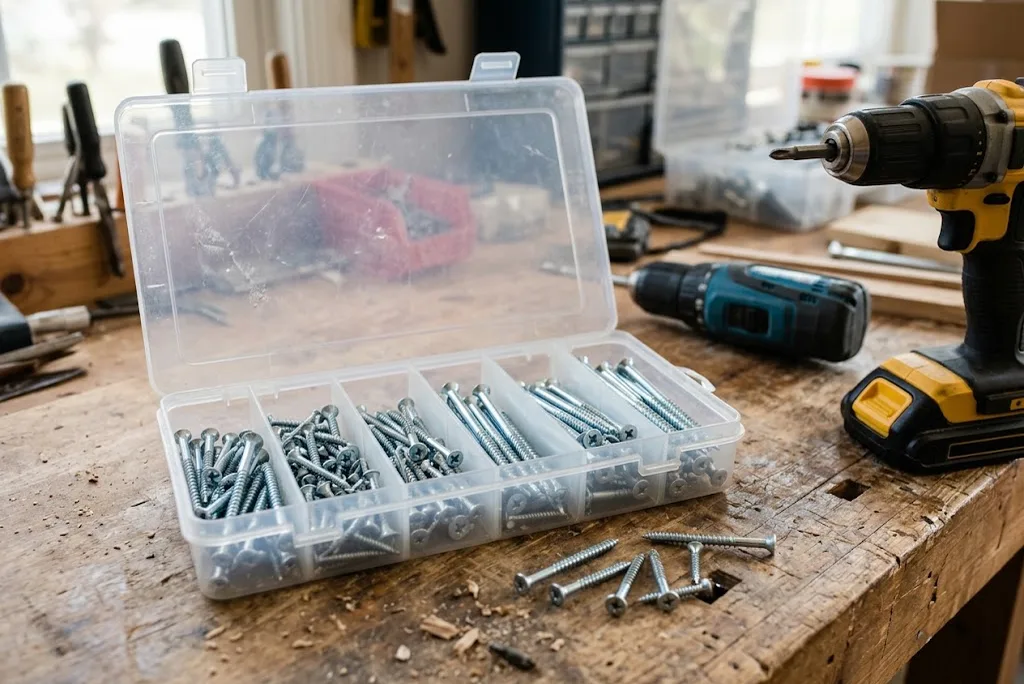 Fasteners & HardwareScrew Assortment Set: The Box That Saves You a Trip to the StoreA screw assortment set is a compartment box holding a mix of common screw sizes.
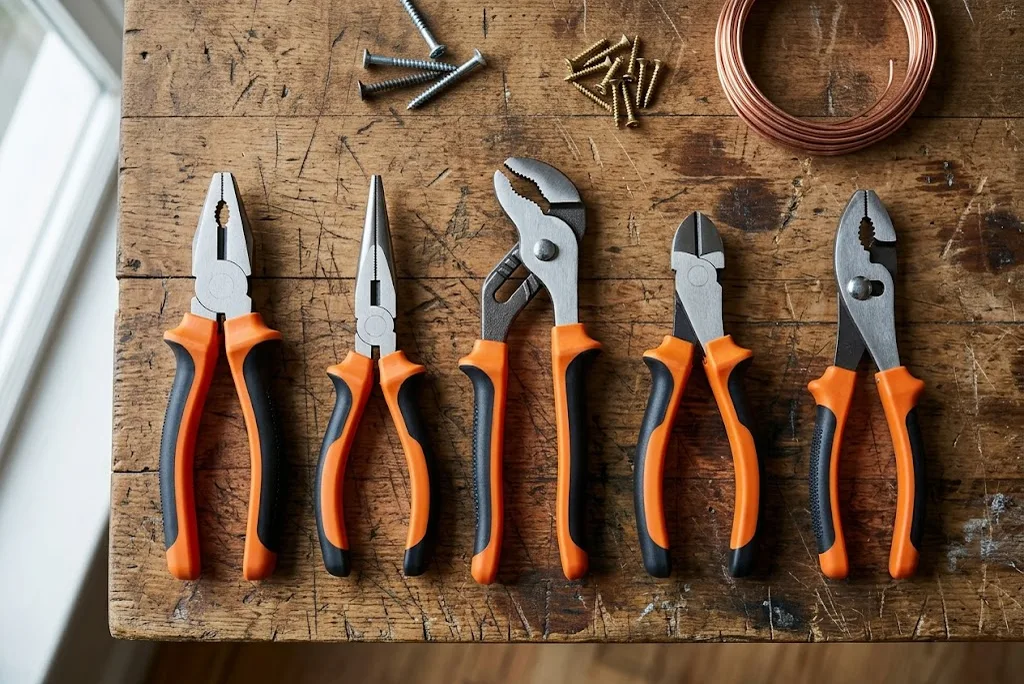 Hand Tools · Roundup5 Pliers Every Homeowner Should Own (and What Each One Does)Most homeowners need five pliers: lineman's pliers for cutting and gripping, long-nose pliers for tight spots, tongue-and-groove pliers for pipes and big nuts, diagonal cutters for wire, and slip-joint pliers for general grabbing.
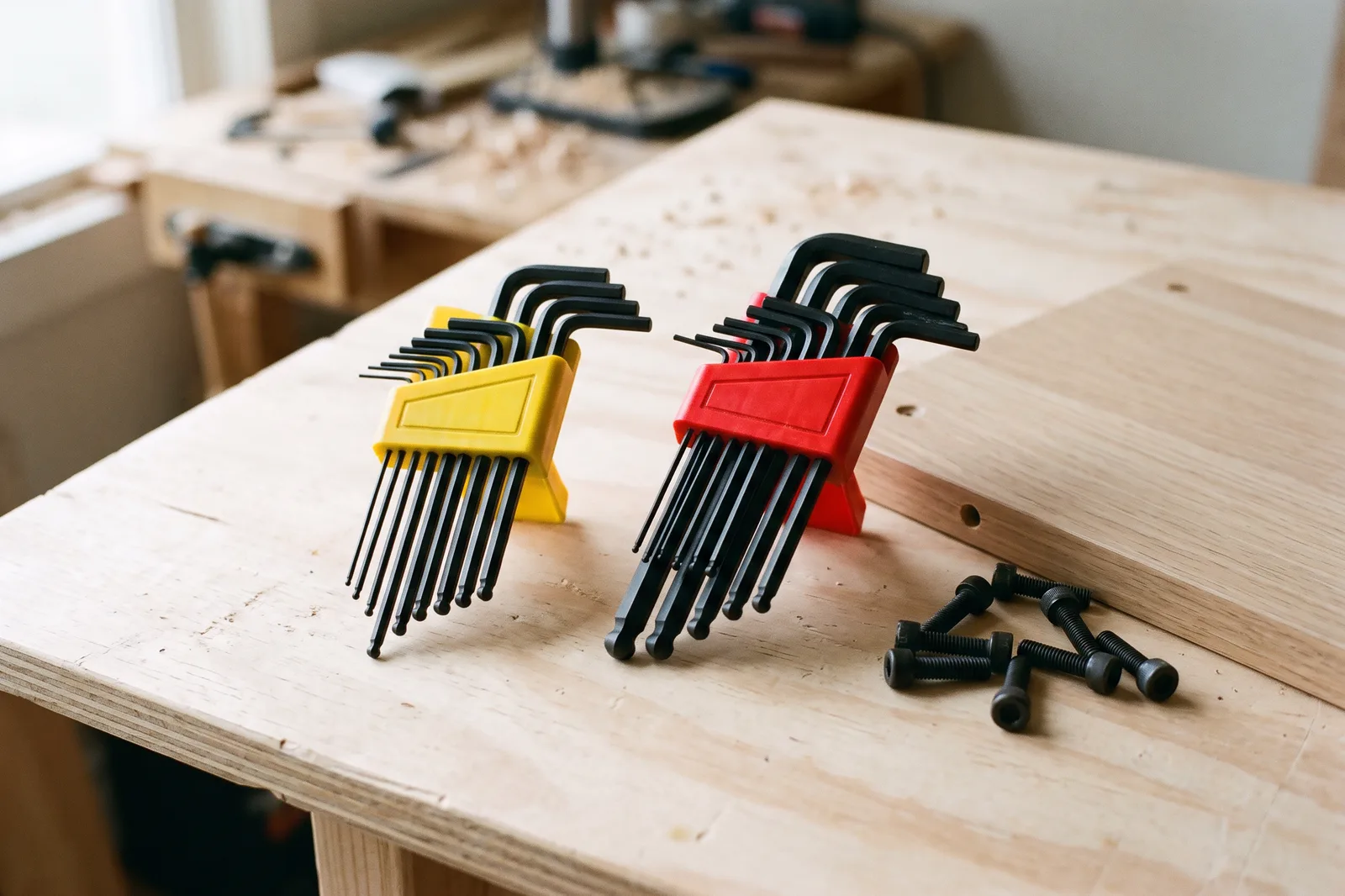 Hand ToolsHex Key Set: The Small L-Keys Behind Every Flat-Pack and Bike FixA hex key set is a bundle of L-shaped steel keys that turn bolts with a six-sided socket, the kind in flat-pack furniture, bikes and appliances.