
Fasteners & Hardware · Roundup · DIY
Wall Anchors: How to Pick the Right One for Drywall
Quick answer
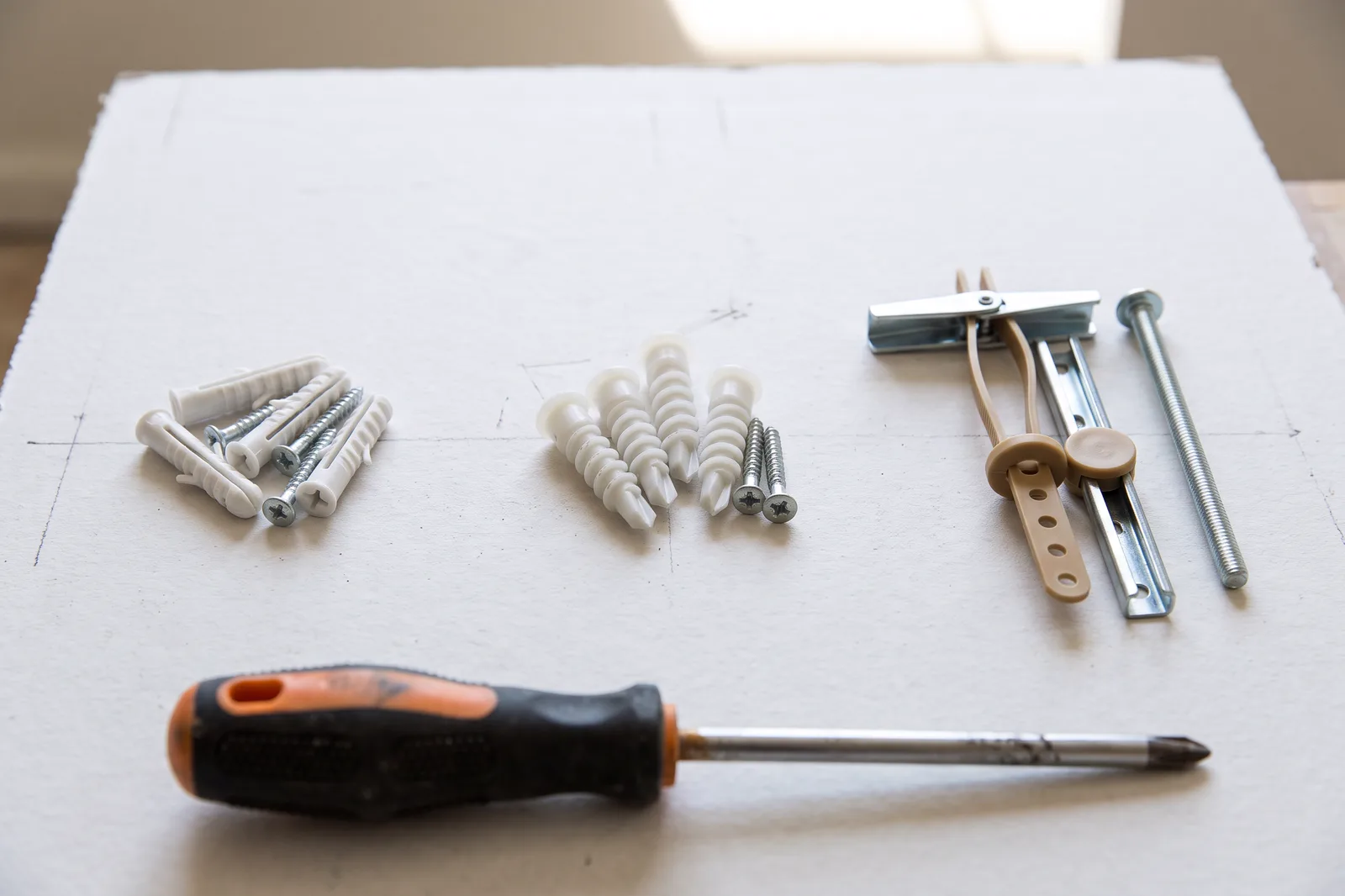
For light things like frames and towel hooks, a plastic or twist-in anchor is enough. For shelves, mirrors and curtain rods, a self-drilling anchor such as the E-Z Ancor Twist-N-Lock is the easy middle choice. For a TV mount, a heavy shelf or cabinets, use a toggle such as the Toggler SNAPTOGGLE, or better still screw into a stud. Whatever you pick, plan to load it with only a fraction of the weight printed on the pack.
What are wall anchors?
A wall anchor is a small fastener that gives a screw something to grip inside a hollow wall. Drywall is just gypsum between two sheets of paper, and a plain screw pulls out of it with little force. An anchor spreads the load over more of the wall, or locks behind it, so the screw stays put. Anchors are for hollow drywall between the studs. If you can hit a stud, a screw into the wood holds far more than any anchor.
There are four types most homeowners meet, and the sources we read agree on how they rank by strength:
| Type | How it works | Typical use | What the tests say |
|---|---|---|---|
| Plastic expansion | You drill a hole, tap it in and the screw spreads it open | Picture frames, light hooks | The weakest. In one test a standard plastic insert held about the same as a plain screw in the wall |
| Self-drilling (twist-in) | A coarse thread you screw in by hand, no drilling | Towel bars, curtain rods, mirrors, small shelves | Good value. The E-Z Ancor tested above its rating in Family Handyman's pull test |
| Molly bolt | A metal sleeve that squeezes flat behind the wall | Medium loads | Decent strength, but fussy to install |
| Toggle | Wings or a steel bar open behind the wall | TV brackets, heavy shelves, cabinets | The strongest in every test we read, but with the biggest hole |
The three picks in this guide
We chose one product for each tier, so the guide covers the full range:
- Budget: a plastic anchor kit. The Wensilon 270-piece assortment is a cheap, wide-ranging box for light hanging.
- Mid: a self-drilling anchor. The E-Z Ancor Twist-N-Lock is the easy everyday choice.
- Pro: a snap-style toggle. The Toggler SNAPTOGGLE BA is the one to pick for heavy loads.
Claw-style picture hangers, which push in with your thumb and grab the drywall, also did well for light frames and mirrors in The Funny Carpenter's video, but there are many brands, so we left them off the pick list.
Why you'll want them
A screw alone will not hold. The most common failure is a loaded shelf or towel bar that pulls out of the wall and takes a chunk of drywall with it. An anchor turns a weak screw hold into a real one.
The right anchor depends on the job. The Reluctant DIYers video explains that package weight ratings come from lab failure points under perfect conditions, and recommends planning on about a quarter of the printed number. It also separates shear (pull down along the wall, like a mirror) from tension (pull out from the wall, like a shelf), and tension capacity is always lower. In Project Farm's pull test, every anchor except the snap toggle exceeded its rated capacity when pulled straight out, but the test was a clean, direct pull, not a shelf with leverage.
What the pull tests found
Three independent tests give a useful picture, even though none of them is a lab standard:
- Family Handyman pulled seven anchors and compared the printed rating with what the anchor actually held. The Everbilt ribbed plastic anchor was rated far lower than it held, the Pop Toggle held more than twice its rating, the E-Z Ancor tested above its 75-pound label, and the Toggler SNAPTOGGLE was the strongest. The WallClaw held its rating, but past that several popped out and left large holes.
- Project Farm tested anchors in fresh drywall pieces 16 inches square, which matches the gap between studs, and measured both when the anchor began to move and when it failed. He found a direct link between price and rated capacity, and that a failed anchor can tear a hole of several inches. His own favorite was an easy-to-install self-tapping toggle for its mix of strength and price.
- The Funny Carpenter ranked common anchors in tiers. The plastic and metal self-drilling anchors each pulled out of the wall at only a little more load than a coarse screw, and standard plastic inserts did no better than a screw by itself. Toggle bolts and snap toggles took the top tiers.
The point to take away is the same in all three: a pull straight out of the wall is where cheap anchors fail first, and a big toggle is the cure. These tests use a clean, direct pull. A shelf or a TV bracket adds leverage, so real-world capacity is lower than any figure above.
Which anchor for which job
| Job | Good choice | Why |
|---|---|---|
| Light picture frame, small hook | Claw hanger or plastic anchor | Light load, small hole |
| Towel bar, toilet paper holder, curtain rod | Self-drilling anchor like the E-Z Ancor | Fast, no drill, enough hold for normal use |
| Heavy mirror | Self-drilling anchor or toggle, ideally into a stud | The load pulls mostly down along the wall |
| Floating shelf with books | Toggle, or screws into studs | Shelves pull outward and tip |
| TV bracket | Studs first, toggles when no stud is there | Heavy and leverage heavy |
| Cabinet, grab bar, handrail | Studs or blocking behind the wall | Do not trust a hollow-wall anchor alone |
Failure is messy. Project Farm's test shows that a failing anchor can leave a hole from half an inch to several inches wide. If you rent or care about repairs, it pays to buy a stronger anchor now.
Anchors are cheap insurance. A pack costs little compared with a patched wall, a broken mirror or a fallen shelf.

Who it's for
- First-time homeowners hanging mirrors, shelves, curtain rods or a TV
- Renters who want the smallest hole for light frames and need to know when a bigger anchor is worth it
- DIYers who want one drawer of anchors that covers most home jobs
Who should skip it
- Anyone who can hit a stud. A screw into a wood stud holds far more than any drywall anchor. Find studs first.
- Masonry, brick or block walls. Those need different anchors, not covered here.
- Anyone hanging something very heavy or that people lean on, such as a grab bar. Ask a pro to mount it into framing.
How to use them
These steps follow the habits in the videos and guides we checked.
- Find the studs first. If a stud is where you need the screw, use a wood screw into it and skip the anchor. Our stud finder guide explains how to scan a wall, and the same scan helps you avoid pipes and wires.
- Weigh the thing and plan for the worst. Add the weight of the item and what it will carry. Divide the anchor's printed rating by four, as the Reluctant DIYers video suggests, and make sure your load is below that.
- Pick the type by load. Plastic or claw hangers for light frames. A self-drilling anchor for towel bars, curtain rods and mirrors. A toggle for TVs, heavy shelves and cabinets.
- Check the wall thickness. Most walls are 1/2 inch drywall. The pack lists the thickness it was rated for. Thinner or older walls hold less.
- Mark the spot with a level. Use a torpedo, box or laser level so the item does not end up crooked. Make the pencil mark before you drill.
- Drill the hole the pack says. Use the exact bit size on the package. For a toggle that is usually a large hole. A hole that is too wide makes a plastic anchor spin and a twist-in anchor loose.
- Install by hand, not with a drill. The Reluctant DIYers host says he used to promote using a drill for twist-in anchors and stopped, because a screwdriver lets you feel the anchor snug up without over-tightening and cracking the drywall.
- For a toggle, thread the item on first. A classic toggle bolt has to go through the bracket before the wings go in the wall. A SNAPTOGGLE is different: you push the channel through the hole, pull it flat, slide the cap flush and snap the straps off, then add the bolt.
- Tighten until snug, not harder. Over-tightening can strip the anchor or crush the drywall paper. Stop when the item is firm.
- Test with a gentle tug. Pull on the item. If it moves, take it down and use a bigger anchor.
- Do not overload it. If you later add more to the shelf, remember the anchor was only sized for the first load.
Common mistakes
- Using the printed number as the safe number. That is the failure point, not the working load.
- Using a plastic anchor on a shelf. Shelves pull outward, and plastic is weakest in tension.
- Reaming the hole too wide. Anchors then spin and never grip.
- Skipping the stud scan. Drilling into a pipe or wire is a bigger problem than a loose anchor.

What to look for when buying
Match the anchor to the load, not the price. All three tests we read show that stronger anchors cost more, and Project Farm notes a direct link between price and rated capacity.
Check the rating and the direction. Prefer packs that list both shear and tension numbers, and leave a wide safety margin.
Check drywall thickness and hole size. A toggle needs a large hole. If you plan to remove the item later, a smaller anchor leaves a smaller patch.
Prefer steel for heavy loads. The best performers in the tests we read are metal toggles. Plastic and nylon are for light work.
Check what is in the box. A kit may include screws and drill bits, but quality varies. A toggle comes with its own bolt, but check the thread size and the bolt head, because The Funny Carpenter says he does not like the big round carriage-bolt head on a SNAPTOGGLE for cabinets.
Know when a stud beats an anchor. If your item lines up with a stud, a wood screw is the strongest and cheapest fix. Use a stud finder, or knock lightly and listen for the solid sound, then mark the stud edges with a pencil. Use an anchor only where you cannot reach framing.
Think about removal. If you rent, pick the smallest anchor that is safely strong enough. A plastic anchor leaves a small hole, a twist-in leaves about half an inch, and a big toggle can leave a hole you will need to patch and paint. Project Farm shows each type's damage in his video, so it is worth a look before you commit.
Plan for repairs anyway. Keep a small tub of spackle and a putty knife in the same drawer as your anchors. Filling and sanding a small hole takes minutes, and a drywall calculator helps if you need to replace a larger piece.
Do not buy by quantity. A box of 270 mixed pieces is handy, but buyer feedback on cheap plastic kits is mixed. A small pack of good anchors for your real job is better value.
Key specs to look for
| Spec | What to look for |
|---|---|
| Rated weight | The number on the pack is a lab failure load, not a safe working load. Many guides suggest hanging about a quarter of it. |
| Load direction | A mirror pulls straight down (shear). A shelf also pulls out of the wall (tension), and tension capacity is lower. Check the pack for both numbers. |
| Drywall thickness | Most walls are 1/2 inch drywall, some are 5/8 inch, and older ceilings can be 3/8 inch. Anchors list the thickness they were rated for. |
| Hole size | Plastic anchors need a small drill hole. Toggles need a big one, from 3/8 to 3/4 inch. A bigger hole means a bigger patch if you ever take it out. |
| Anchor material | Steel toggles and zinc anchors hold more than plastic. Nylon and plastic are fine for light loads. |
| Screw or bolt included | Some kits include screws, others do not. A toggle bolt must match the anchor, so check the thread size. |
| Reusable or removable | Most anchors cannot be pulled back out cleanly. Look for how the maker says to remove it and what hole it leaves. |
Where to get them
All three are sold on Amazon. We rate the Wensilon kit as budget tier, the E-Z Ancor as mid tier and the Toggler SNAPTOGGLE as pro tier.
What buyers say. Amazon's review summary for the SNAPTOGGLE says buyers praise its holding strength and secure fit, find it easy to use for shelves and cabinets, and say it feels worth the money, though some are disappointed by the price and a few report issues with the bolts. For the E-Z Ancor, buyers say it is effective, easy to install and good value for curtain rods and mirrors, but some report anchors breaking while they screw them in. For the Wensilon kit, buyers like the assortment and the value, while others say some anchors do not expand or feel flimsy.
| Pros | Cons |
|---|---|
| Right anchor means the shelf stays up and the wall stays intact | Most anchors cannot be removed cleanly |
| Cheap compared with a patched wall or a broken mirror | Package ratings are failure loads, so real working loads are lower |
| Three tiers cover light, medium and heavy jobs | Toggles need a big hole and leave a big patch |
| Pick | Best for | What buyers like | What buyers flag |
|---|---|---|---|
| Wensilon 270-piece kit | Light frames, curtain brackets, small hooks | Wide variety, good value | Some anchors do not expand, flimsy feel |
| E-Z Ancor Twist-N-Lock | Mirrors, towel bars, curtain rods | Easy, secure, good value | Some break while screwing in |
| Toggler SNAPTOGGLE BA | TV brackets, heavy shelves, cabinets | Strong, easy for heavy things | Price, big hole, bolt head |

Wensilon 270-Piece Drywall Anchors and Screws Plastic Anchor Assortment Kit
- A big mixed box of plastic anchors, screws and drill bits for picture frames, curtain brackets and other light hanging
- Buyers like the variety and the value, per Amazon's review summary
- Plastic anchors are the weakest type in the tests we read, and some buyers say the anchors do not expand or feel flimsy
How we scored it
Usefulness 6/10 · Value 8/10 · Durability 5/10. This is our own opinion, based on specs, buyer reviews and independent tests. It is not an Amazon or customer rating.

E-Z Ancor #8 x 1-1/4 in. Twist-N-Lock 75-lb Drywall Anchors, 50 Pack
- Twists into drywall with a screwdriver and no pre-drilled hole, so it is quick for towel bars, curtain rods and mirrors
- Family Handyman called it its best-value pick, and it held more than its 75-pound label in its pull test
- Some buyers report anchors breaking while they screw them in, so go slowly and use a hand screwdriver
How we scored it
Usefulness 8/10 · Value 9/10 · Durability 7/10. This is our own opinion, based on specs, buyer reviews and independent tests. It is not an Amazon or customer rating.

TOGGLER SNAPTOGGLE BA Toggle Anchor with Bolts, 10 Pack
- A steel channel pulled flat behind the wall spreads the load, and the maker lists up to 238 lb in half-inch drywall
- The strongest anchor in the Family Handyman pull test and a top-tier pick in the Funny Carpenter ranking
- Needs a 1/2 inch hole, so it leaves a bigger repair if you ever remove it
How we scored it
Usefulness 9/10 · Value 7/10 · Durability 9/10. This is our own opinion, based on specs, buyer reviews and independent tests. It is not an Amazon or customer rating.
Before you mount a TV, work out the right height with the TV size and mounting height calculator, and read our guide to the tools needed to hang heavy shelves and TVs.
Watch and read more
Video reviews
- Which Drywall Anchor is Best? Let's find out! — Project Farm
Pull-tests a range of drywall anchors in new drywall, shows how much damage each leaves when it fails, and picks an easy-to-install self-tapping toggle as his favorite for strength and value. - Stop Buying the Wrong Drywall Anchors! (Ranked) — The Funny Carpenter
Ranks common anchors in tiers: plastic and metal self-drilling anchors and standard plastic inserts score low, while toggle bolts and snap toggles score at the top. - I Tested 6 Drywall Anchors to Failure (One Shocked Me) — Reluctant DIYers
Explains why the weight on the package is a failure point, covers the shear versus tension difference and the quarter rule, and shows plastic, self-drilling, molly and toggle anchors loaded with dumbbells.
PROSWho uses it
- Project Farm — Tests drywall anchors head to head, including Toggler snap-style toggles, in his drywall anchor video.
Free calculators FigureMyHome
- TV Size & Mounting Height — Work out the mounting height first, then choose a stud or an anchor rated for the TV and bracket.
- Drywall Calculator — If you are patching or adding wall, estimate the sheets before you buy.
Frequently asked questions
What is the strongest drywall anchor?
In the tests we read, toggle-style anchors held the most. Family Handyman's pull test put the Toggler SNAPTOGGLE at the top, and Project Farm and The Funny Carpenter both rated snap-style toggles among the strongest too. Results change with the wall and with how the load pulls, so treat the numbers as a guide, not a promise.
How much weight can a drywall anchor hold?
It depends on the type, the wall and the direction of pull. Package ratings range from about 25 pounds for small plastic anchors to a few hundred for good toggles. Those ratings are failure points from a lab, so many guides suggest planning on about a quarter of the printed number.
Can I use a wall anchor instead of finding a stud?
For light and medium things, yes. For a TV, a heavy shelf or anything that carries real weight, screw into a stud when you can. A stud finder, like the one in our stud finder guide, makes that simple. If there is no stud where you need it, use a toggle that is rated well above the load.
What is the difference between shear and tension loads?
Shear is a pull straight down along the wall, as with a framed mirror. Tension is a pull straight out from the wall, as with a loaded shelf trying to tip forward. Anchors hold less in tension than in shear, and the better packs list both.
Do I need to pre-drill for a drywall anchor?
Plastic expansion anchors, toggle bolts and most steel anchors need a hole. Self-drilling twist-in anchors like the E-Z Ancor do not. For any anchor with a hole, use the drill bit size printed on the pack.
How do I remove a toggle or plastic anchor?
Most anchors cannot be pulled out cleanly. Back the screw out, then push the anchor into the wall cavity or cut it flush and patch over it. A toggle leaves the biggest hole, which is the trade-off for its strength.
Should I buy a big assortment kit?
A kit is handy for light hanging and costs little, but buyer feedback on cheap plastic assortments is mixed, with some reports that the anchors do not expand. Buy a kit for convenience, and buy a good toggle or self-drilling anchor separately for anything heavy.
Sources
- Family Handyman: How much weight can drywall anchors hold? (claimed vs. tested loads)
- Bob Vila: 7 types of drywall anchors every homeowner should know
- Angi: 7 types of drywall anchors and what they are used for
- Toggler SNAPTOGGLE BA listing on Amazon (maker specs and customer review summary)
- E-Z Ancor Twist-N-Lock listing on Amazon (maker specs and customer review summary)
- Wensilon 270-piece anchor kit listing on Amazon (contents and customer review summary)
Related tools
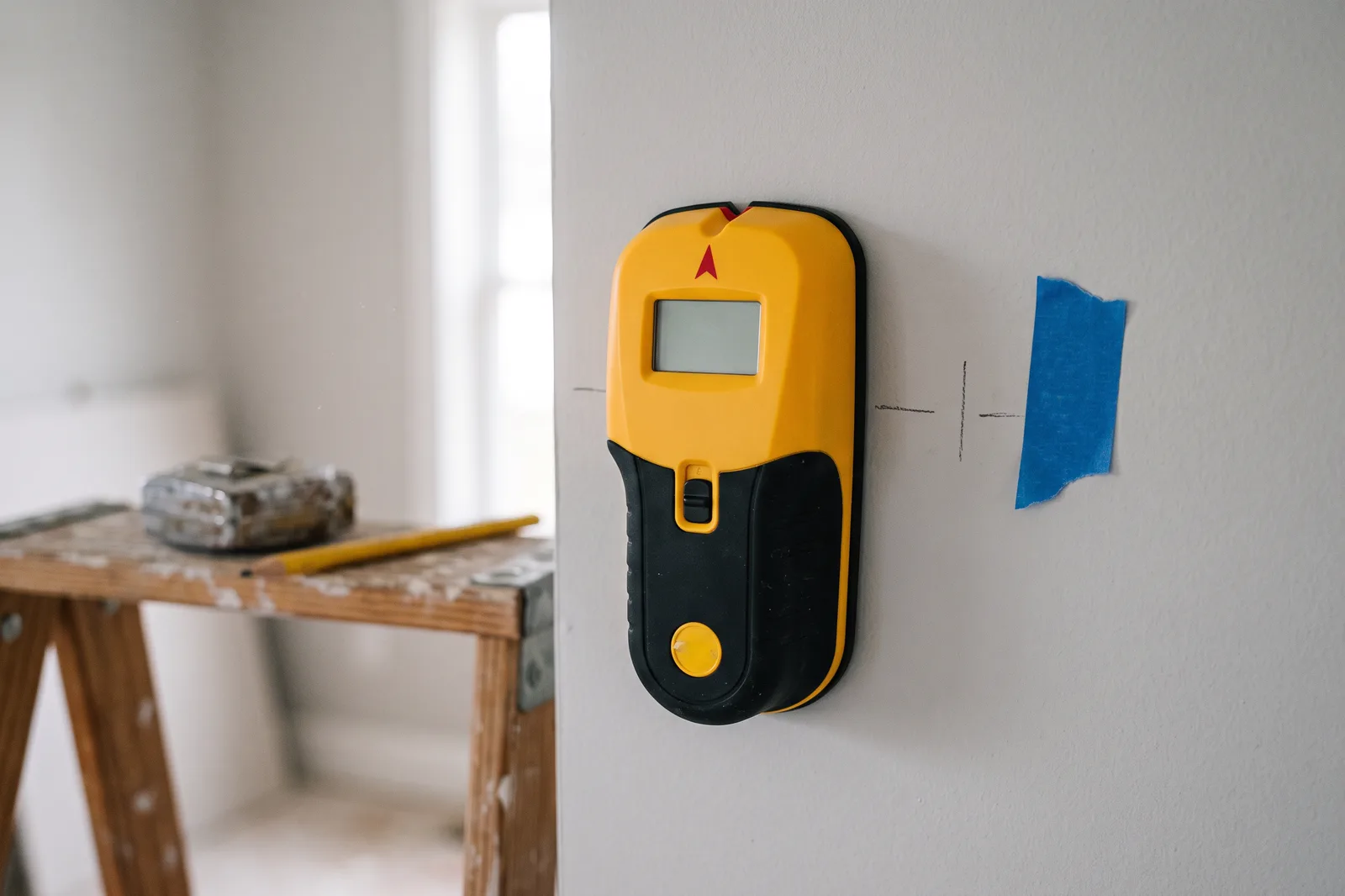 Measuring & LayoutStud Finder: The Wall Scanner That Keeps Shelves and TVs From FallingA stud finder is a small handheld scanner that tells you where the wood or metal studs are behind drywall, so heavy shelves, mirrors and TVs get fastened to something strong.
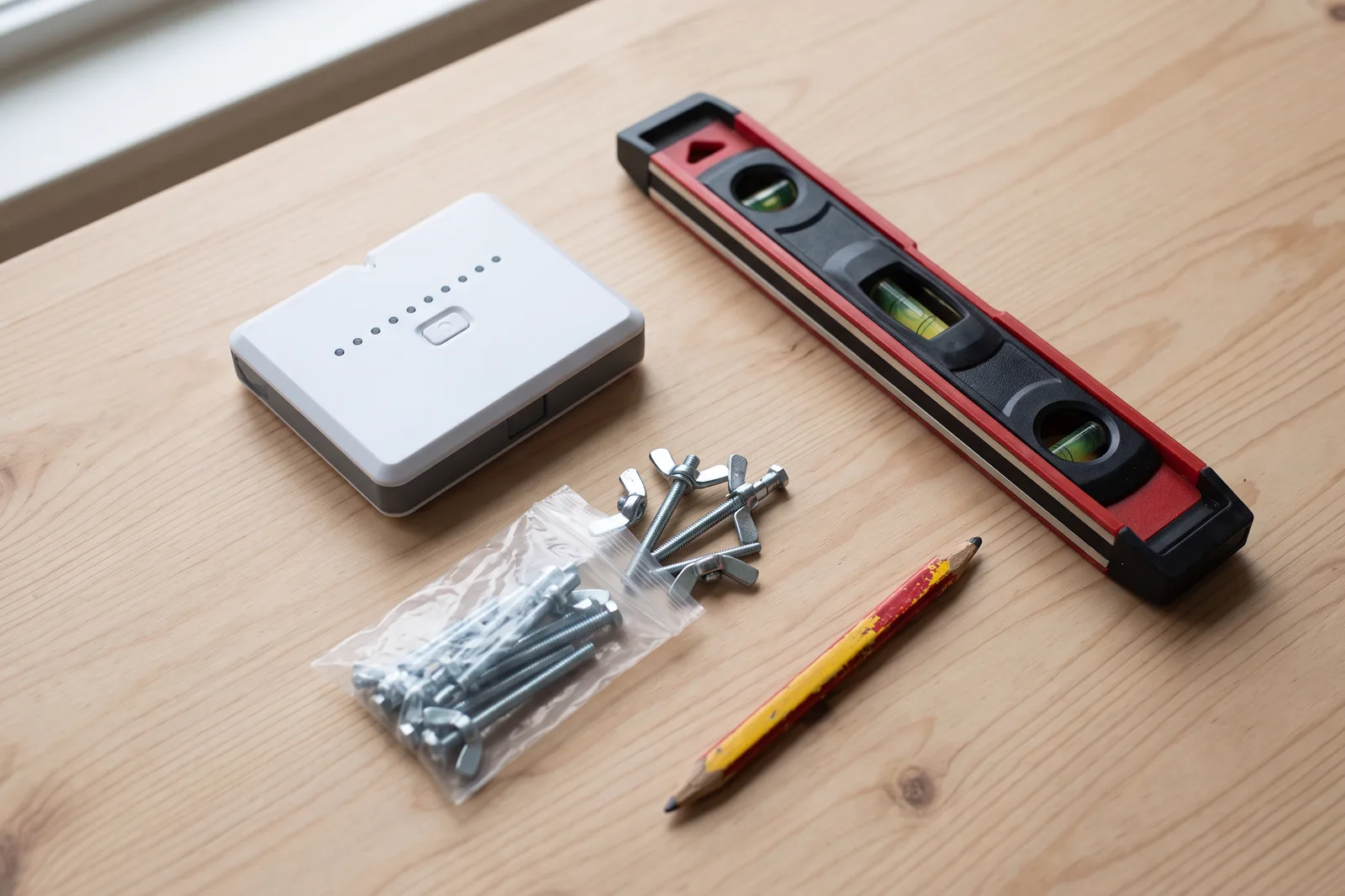 Fasteners & HardwareTools Needed to Hang Heavy Shelves and TVsTo hang a heavy shelf or a TV you need a stud finder to locate the wood studs, a level to set it straight, a drill and wall anchors rated for more than the load if a stud is not available.
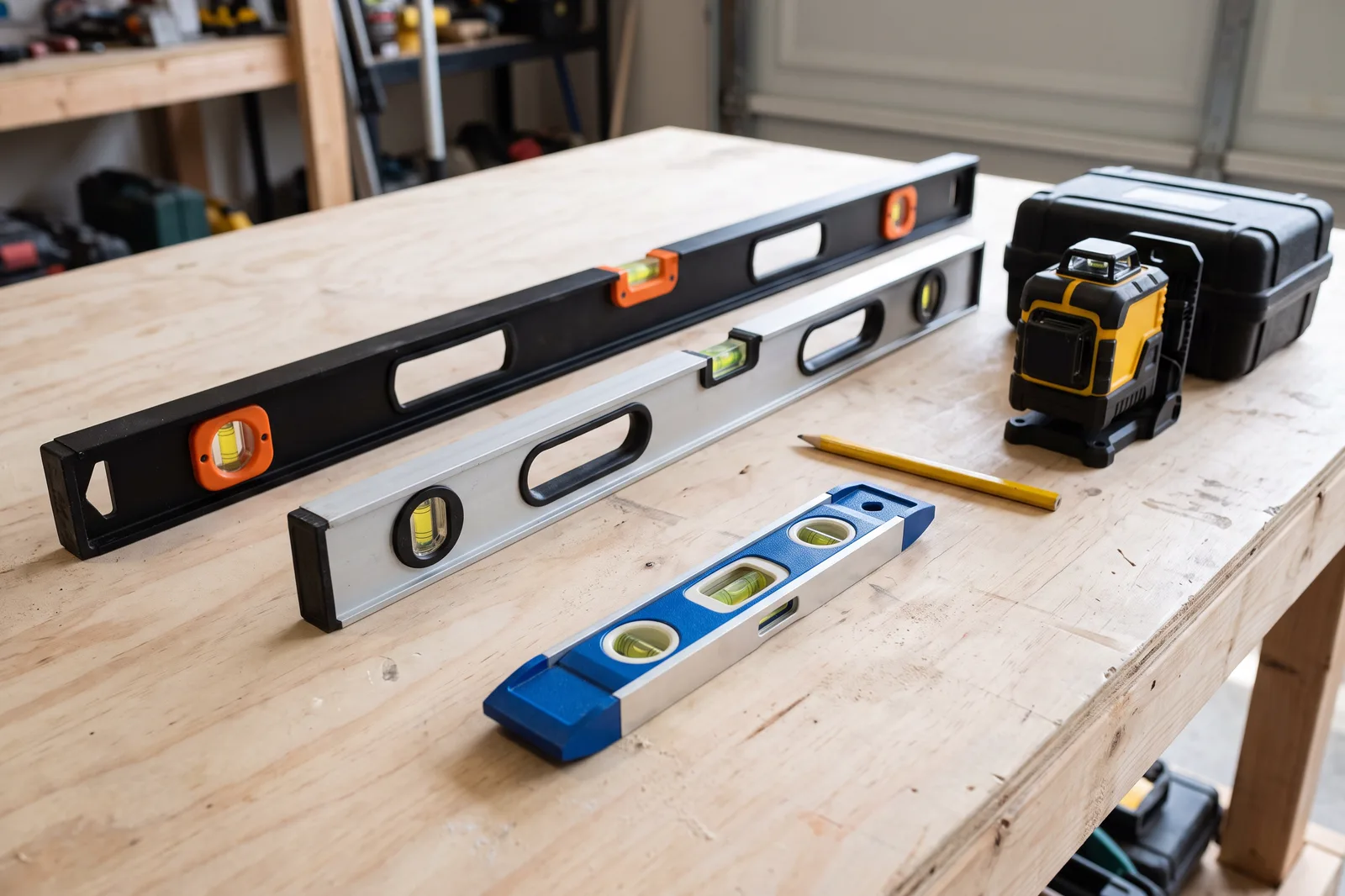 Measuring & Layout · RoundupTorpedo, Box and Laser Levels: Which Ones to Own for Home ProjectsOwn a short magnetic torpedo level for quick checks and tight spots, plus one longer frame level (24 to 48 inches) for shelves, doors and cabinets.