Hand Tools · Comparison · DIY · Pro
Klein vs. Knipex Pliers: Are Premium Pliers Worth It?
 Klein Tools J2000-9NE High Leverage Side Cutting Pliers, 9-Inch
 KNIPEX Tools 09 01 240 SBA High Leverage Lineman's Pliers, 9.5-Inch
 KNIPEX 87 01 250 Cobra Water Pump Pliers, 10-Inch
Photos from the Amazon listings. Scores are our own, not customer ratings.
Quick answer
For most people who use pliers often, yes: one good premium pair of lineman's pliers is worth owning. Choose Klein for a thicker, heavier pair that cuts easily. Choose Knipex for a lighter, finely finished pair, or the Cobra self-gripping pliers for plumbing. If you grab pliers a few times a year, a mid-range pair is enough.
Quick verdict
Klein and Knipex are the two names most often argued over when someone asks whether premium pliers are worth it. We read the maker listings, a video comparison from a reviewer who owns both, Project Farm's bench test of 14 lineman's pliers, a pipe fitting comparison and forum threads. Our verdict:
- Lineman's pliers: both are excellent, and the gap is small. Klein is the pick if you want a bigger, thicker pair that cuts with a little less squeeze. Knipex is the pick if you want a lighter, more finely finished pair.
- Self-gripping pliers: the Knipex Cobra is the premium plier that most clearly earns its place, because its push-button adjustment saves real time.
- Is premium worth it? Yes if you use pliers weekly. For a few jobs a year, a mid-range pair does most of the same work.
If you are still deciding which pliers a home needs at all, start with our pliers basics article. This page is about two brands and three specific models.
The two brands in one minute
Klein Tools is an American maker known for electricians' tools. Its J2000 series lineman's pliers are a long-running standard on U.S. job sites. Klein says the knives are induction hardened and that the high-leverage design gives 46 percent more cutting power than other designs.
Knipex is a German maker known for forged pliers with tight fit and clean finish. The listing for the 09 01 240 describes forged, multi-stage oil-hardened vanadium steel, cutting edges of about 64 HRC hardness and a design that takes 50 percent less effort than conventional combination pliers. Those percentages are the makers' own claims and are measured against different things, so do not compare them to each other.
Who it's for
- Electricians and pros who use pliers every day and notice small differences in feel
- Serious DIYers who want one pair that will not need replacing
- Plumbing and repair fans who want self-gripping pliers that adjust with one hand
Who should skip it
- Occasional users who pick up pliers a few times a year. A solid mid-range pair does the same jobs.
- Anyone who loses tools often. Premium pliers are the ones that walk away.
- People who need insulated pliers for live electrical work. None of the pairs here are rated for it. Buy a pair clearly marked as insulated.
Lineman's pliers: Klein J2000-9NE vs. Knipex 09 01 240
What a reviewer who owns both found
In the Real World Tool Reviews comparison, the reviewer owns both pairs. He says the Knipex has the finer finish, a branding that is forged in rather than laser etched, and almost no break-in because the machining is so clean. The Klein is a little heavier and thicker, has a bigger rivet and a double-dipped handle, and flexes less when squeezed hard.
On cutting, he cut copper wire, chain, machine screws and more with both. Both cut well, but to him the Klein cut a little easier, especially on the thickest screw, where the Knipex needed an extra squeeze. His summary: the Klein is the best lineman's pliers he has used, and if you cannot buy both, buy the Klein. He also says the Knipex handles feel slightly small for a big hand, and that the Klein suits hammering better.
What Project Farm's bench test found
Project Farm tested 14 pairs of 9-to-9.5-inch lineman's pliers. For these two brands, in plain terms:
- Gripping: a jig measured how much torque each pair could hold on a socket extension under about the same squeeze. Klein tied for the lead among the mainstream pairs and Knipex was above average. The Japanese pairs at the top of that test were far stronger than either.
- Cutting a nail: the Knipex needed slightly less force than the Klein.
- Cutting a deck screw: the Knipex again needed less force. Project Farm's overall note for hard materials was that Channellock came out on top and Knipex was second.
- Breaking load: when pushed to cut a hardened socket adapter, the Klein body held out longer than the Knipex, whose rivet let go first.
Notice that this differs from the owner's review above, where the Klein felt easier to cut with. Hand feel and a lab fixture do not always agree. Our reading: both cut hard wire and fasteners with ease, so the choice comes down to handle size, weight and finish, not cutting power.
Which one fits whom
| If you... | Lean toward |
|---|---|
| Have large hands or like a thick handle | Klein |
| Want the lightest, most refined pair | Knipex |
| Hammer, pry and abuse your pliers | Klein |
| Want a U.S.-made brand | Klein |
| Want a German-made brand with clean machining | Knipex |
Self-gripping pliers: the Knipex Cobra
Lineman's pliers are only half of the premium question. The other half is the Cobra, Knipex's self-gripping water pump pliers, which is the model people most often cite when they say a premium plier changed how they work.
The listing for the 87 01 250 describes a push-button that sets the jaws to any of 25 positions directly on the work, a jaw capacity of up to 2 inches, hardened teeth of about 61 HRC and a box joint with a pinch guard. That fine push-button adjustment is the main design difference from traditional tongue-and-groove pliers.
Written reviews repeat three themes. The slim head fits into tight spaces such as sink traps. The one-handed adjustment is quick. And the push-button mechanism can collect dirt, so wipe it clean now and then. The Cobra also costs noticeably more than a traditional Channellock-style pair, which is the premium question again: great if you do plumbing often, hard to justify for one leaking faucet.
What buyers and forum users say
Beyond the videos, we read forum threads where trades and hobbyists compare the two brands. The same points come up again and again.
What people praise most:
- Klein's wider, thicker build. An electrician in a Garage Journal thread who uses both sizes says the Klein is a little wider, which helps when pre-twisting several wires together. Many users like the feel of the heavy handle for hard squeezing.
- Knipex's lighter weight and cutting feel. The same thread has a user who prefers the Knipex as a lighter pair that cuts well for service calls and commercial work, where you carry the tool all day.
- Both brands' staying power. Owners of both describe pliers they have used for years, and one forum poster calls a Klein pair the first one he grabs for many jobs, even for pulling stubborn nails.
The most common complaints:
- Size and fit. Some users want a shorter pair. One poster avoids anything over 9 inches, and the standard Knipex lineman's pliers measure about 9.5 inches.
- Several look-alike versions. Both brands sell the same basic pliers with crimpers, tape pullers or comfort grips, and the listing names are close. Read the model number so you buy the version you want.
- A premium price for a small gain. In Project Farm's test, Channellock took the top spot on hard-material cutting, and affordable pairs from other brands also cut and gripped well. Premium pliers are not the only good ones, which is why the verdict above depends on how often you use them.
A note on sources: we did not find a large pool of independent buyer studies for these exact models, so the forum comments above are individual opinions, not statistics.
How to choose between them
If the lineman's pliers are your only purchase, three questions settle it:
- How big is your hand? Pick the pair whose handles sit comfortably when you squeeze hard. A handle that is too small or too big costs you leverage and tires your hand. If you can, hold both in a store before you buy.
- What do you cut? Both cut copper wire and fasteners easily. If you cut a lot of heavy cable or thick screws, the extra squeeze needed by some Knipex pairs may show up. For lighter wiring, both feel effortless.
- How will you carry it? A pair that rides in a tool belt all day favors the lighter Knipex. A pair that lives in a bag and gets hammered on favors the Klein.
If you also do plumbing, decide on the Cobra separately. It does a different job and does not replace lineman's pliers.
Pros and cons
| Pros | Cons |
|---|---|
| Klein J2000-9NE: heavy-duty cutting, a thick comfortable handle, a rugged body that took more force before breaking in Project Farm's test, and a U.S. brand. | Klein: heavier, and the finish is plainer than Knipex, according to the owner comparison. |
| Knipex 09 01 240: lighter, very clean machining with no break-in, and strong gripping and cutting in the bench results. | Knipex lineman's: slimmer handles that can feel small in large hands, and a little more squeeze on the thickest screws, according to one reviewer. |
| Knipex Cobra: fast one-handed adjustment, 25 positions and a slim head for tight spaces. | Cobra: the push-button collects dirt, and the pliers are not rated for electrical work. |
| Both brands: pliers that reviewers expect to last years of heavy use. | All of them: premium pliers cost well above mid-range pairs that do the same everyday jobs. |
Where to buy
All three picks are sold on Amazon. The Klein J2000-9NE sits in our mid tier, and the two Knipex models sit in our pro tier. Check the listing for the exact model number before you order, since several similar pairs (with crimpers, comfort grips or insulated handles) have near-identical names.

Klein Tools J2000-9NE High Leverage Side Cutting Pliers, 9-Inch
- Heavy-duty cutting knives meant for screws, nails and hardened wire, per the maker
- Thick, double-dipped handles that suit large hands
- Held its own in Project Farm's lineman's pliers test, including the highest breaking load of the two
How we scored it
Usefulness 9/10 · Value 8/10 · Durability 9/10. This is our own opinion, based on specs, buyer reviews and independent tests. It is not an Amazon or customer rating.

KNIPEX Tools 09 01 240 SBA High Leverage Lineman's Pliers, 9.5-Inch
- Forged vanadium steel with oil-hardened cutting edges, per the listing
- Lighter in the hand and very finely finished, according to a reviewer who owns both brands
- Second only to Channellock in Project Farm's hard-material cutting results
How we scored it
Usefulness 9/10 · Value 7/10 · Durability 9/10. This is our own opinion, based on specs, buyer reviews and independent tests. It is not an Amazon or customer rating.

KNIPEX 87 01 250 Cobra Water Pump Pliers, 10-Inch
- Push-button adjustment with 25 positions and up to 2 inches of jaw capacity, per the listing
- Self-locking grip on pipes and nuts with little hand force
- Picked as the best of the set in a hands-on pipe fitting comparison
How we scored it
Usefulness 9/10 · Value 7/10 · Durability 9/10. This is our own opinion, based on specs, buyer reviews and independent tests. It is not an Amazon or customer rating.

If you want only one, buy the lineman's pair whose handle size fits you best. If you work on pipes more than on wires, buy the Cobra first.
Watch and read more
Video reviews
- Battle of the Lineman’s pliers! Knipex vs Klein! USA vs Germany! Who wins? — Real World Tool Reviews
A reviewer who owns both compares finish, weight and cutting. He finds the Klein cuts a little easier and is heavier duty, the Knipex lighter and better finished, and picks Klein while calling both excellent. - Japan vs German Pliers (LINEMAN)? Knipex vs Vampliers, Fujita, Milwaukee, DeWalt, Channellock — Project Farm
Bench-tests 14 lineman's pliers for grip, nail cutting, deck screw cutting and breaking load, including a Klein and a Knipex pair.
Frequently asked questions
Are Klein pliers better than Knipex?
Neither is simply better. In the comparisons we read, a reviewer who owns both found the Klein cut a little easier and felt more rugged, while the Knipex was lighter and more finely finished. Project Farm's bench test put Knipex slightly ahead on nail and screw cutting, and Klein ahead on how much force the body took before it broke.
Are Knipex pliers worth the money?
They are worth it if you use pliers often and value fit, finish and a long life. For occasional use, a mid-range pair gets you most of the way. The Cobra earns its place more easily than the lineman's pair, because the push-button adjustment saves time on every plumbing job.
Where are Klein and Knipex pliers made?
Klein is a U.S. brand, and the lineman's pair in Project Farm's test was listed as made in the USA. Knipex is a German brand, and the pairs in the videos we read were made in Germany. Check the packaging for the exact pair, because makers do move production.
Can lineman's pliers cut screws?
Both brands say their lineman's pliers can cut screws, nails and hardened wire, and Project Farm cut a deck screw with both. Small screws are fine. Large screws are hard on any pliers and will eventually nick the cutting edges.
What size lineman's pliers should I buy?
Nine to nine and a half inches is the standard and the size almost every test uses. It balances leverage and control. Smaller pairs reach into tight boxes but cut with less force.
Are Knipex Cobra pliers better than Channellock?
The reviewer in the pipe fitting comparison preferred the Cobra's fine push-button adjustment and wider opening, and called the Channellock a solid choice for lighter use. Our pliers basics article covers the Channellock style.
Sources
Related tools
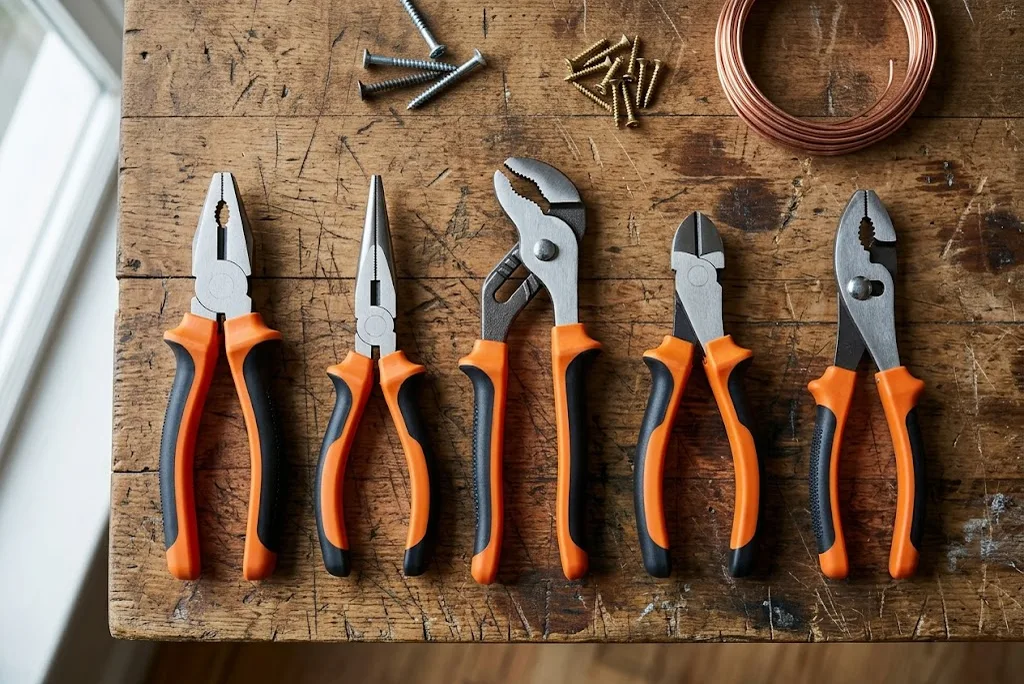 Hand Tools · Roundup5 Pliers Every Homeowner Should Own (and What Each One Does)Most homeowners need five pliers: lineman's pliers for cutting and gripping, long-nose pliers for tight spots, tongue-and-groove pliers for pipes and big nuts, diagonal cutters for wire, and slip-joint pliers for general grabbing.
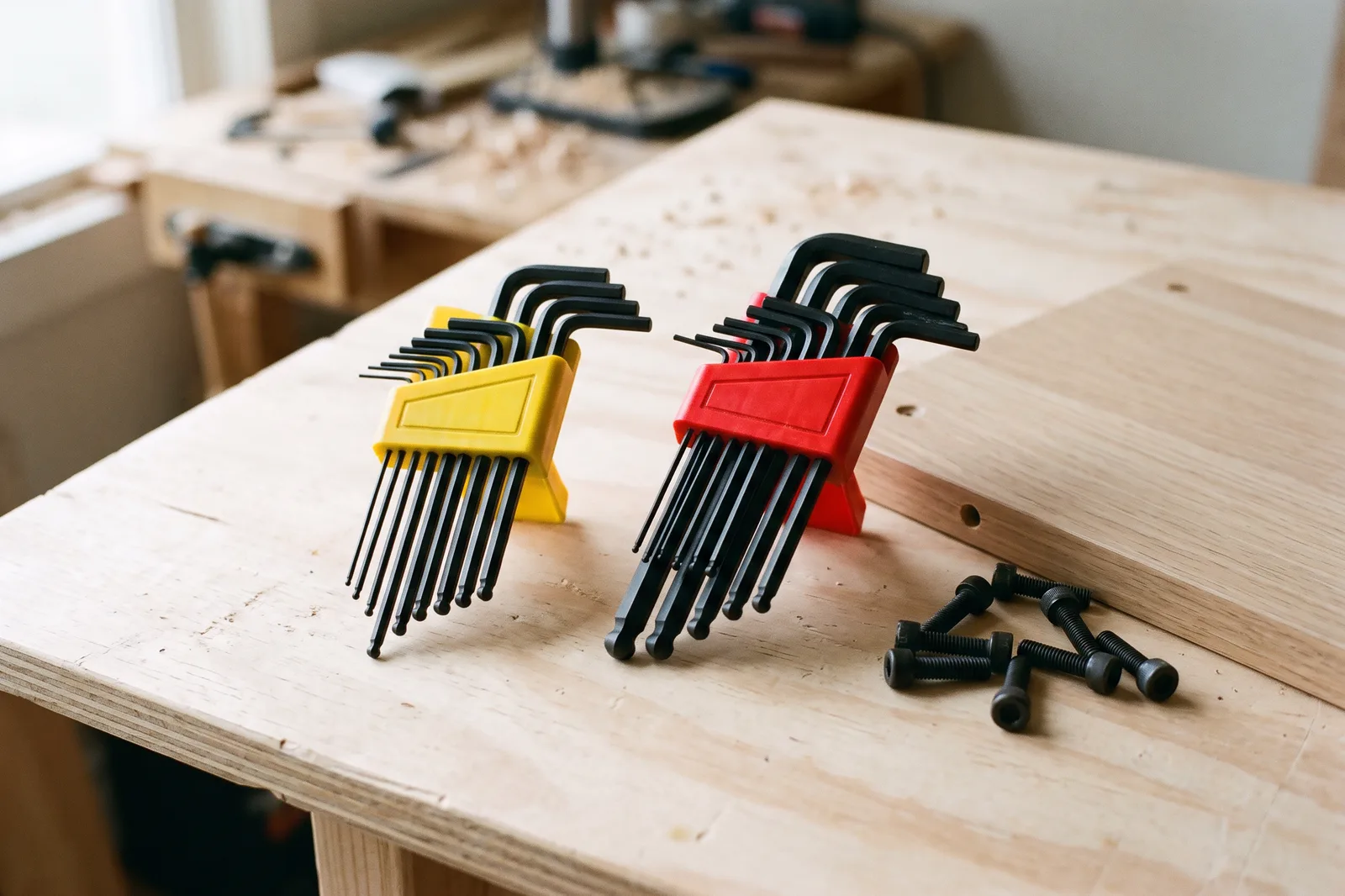 Hand ToolsHex Key Set: The Small L-Keys Behind Every Flat-Pack and Bike FixA hex key set is a bundle of L-shaped steel keys that turn bolts with a six-sided socket, the kind in flat-pack furniture, bikes and appliances.
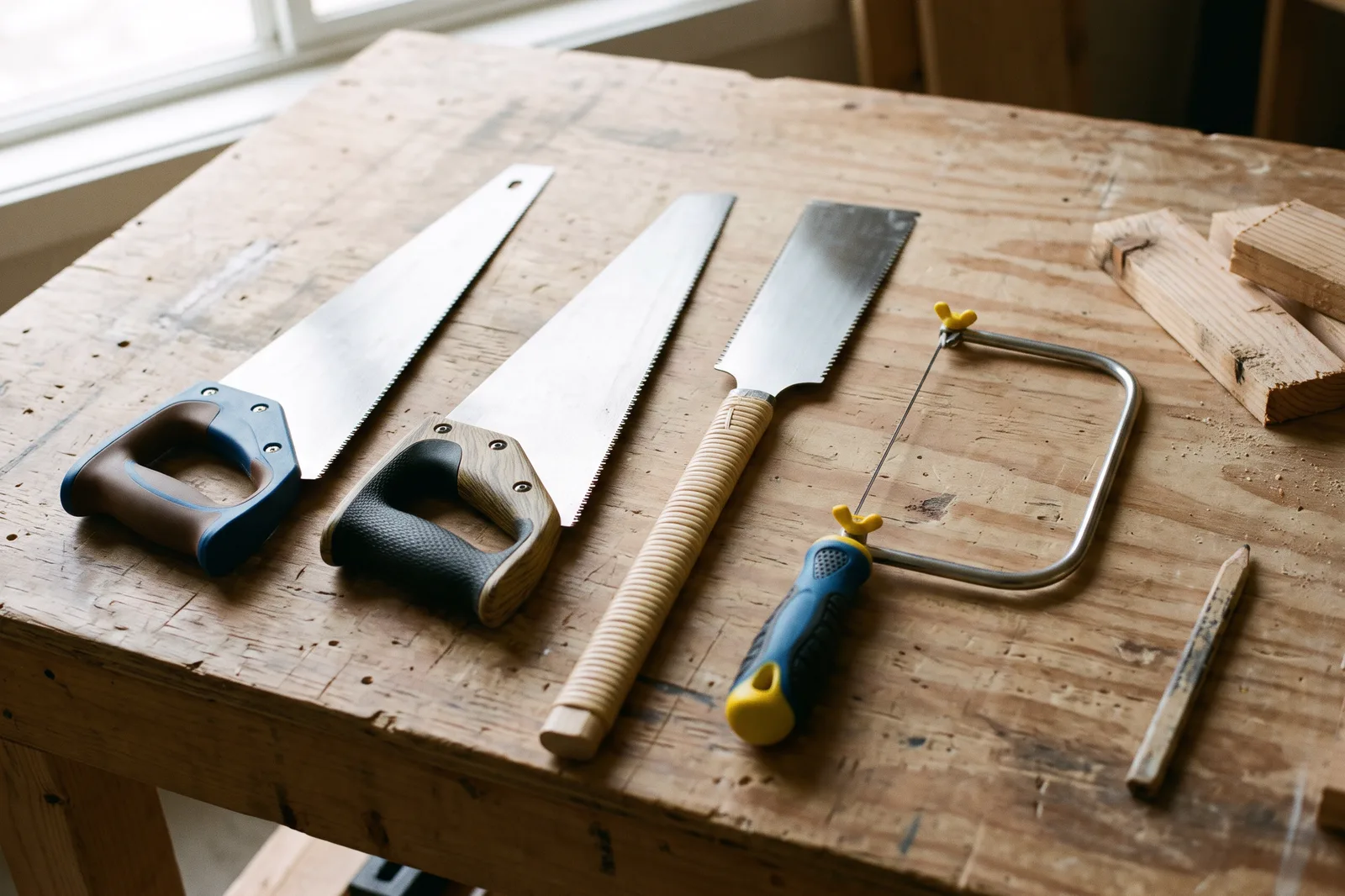 Hand Tools · RoundupHand Saws Every Toolbox Needs: Panel, Pull and Coping Saws ExplainedMost toolboxes need three hand saws: a 15-inch panel saw for quick cuts in lumber and plywood, a Japanese pull saw for neat, thin-kerf cuts in trim and joinery, and a coping saw for curves and inside corners.